
Tools
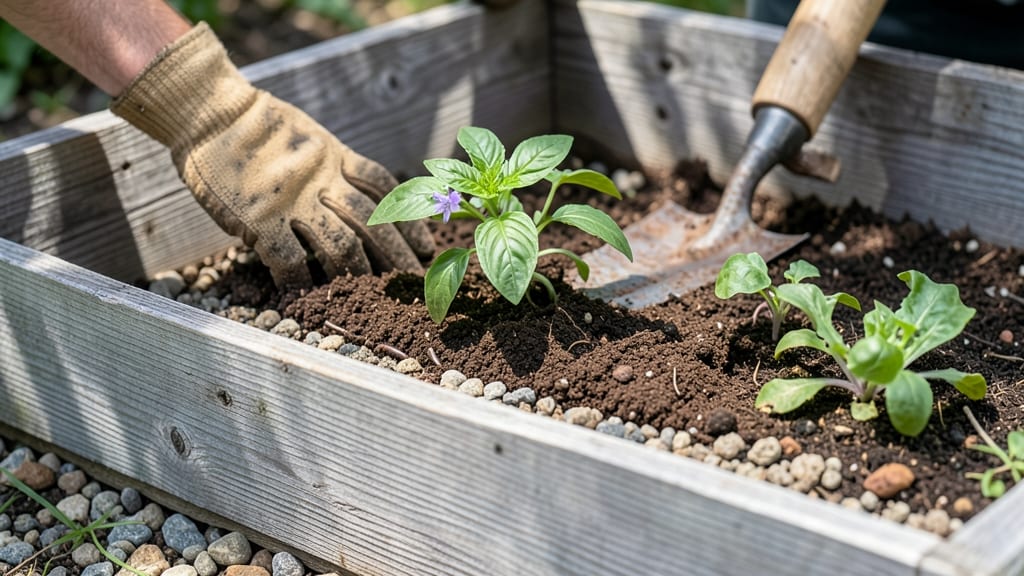
Getting the right raised garden bed soil depth is the foundation of a thriving garden — and most beginners get it wrong.
Picture this: you’ve spent hours building your perfect raised bed, only to watch your plants struggle because the roots can’t spread. Too shallow, and they’ll suffocate; too deep, and you’re wasting space and resources.
The ideal depth isn’t just about inches—it’s about giving roots room to breathe, drain properly, and access nutrients.
In this guide, I’ll break down the exact soil depth your plants need, from shallow-rooted herbs to deep-diggers like tomatoes. You’ll also learn how to adjust your bed for better drainage, avoid common mistakes, and even customize layers for different crops.
Whether you’re a first-time gardener or a seasoned grower, these insights will help you design a bed that sets your plants up for success from day one.
Ideal raised garden bed soil depth by plant type: root space requirements
When designing your raised garden bed, soil depth isn't just about filling space—it's about giving roots the room they need to thrive. Different plants have wildly different root space requirements, and ignoring these can stunt growth or even kill your crops.
For example, carrots need at least 12 inches of loose soil to grow straight, while basil thrives in just 6 inches. Understanding these needs helps you maximize yield and avoid wasted effort.
Most gardeners assume a one-size-fits-all approach, but that leads to common mistakes like overcrowding shallow-rooted plants or underutilizing deep beds for root crops. The key is matching soil depth to the plant's root system type.
Taproots like beets or parsnips demand depth, while fibrous roots like spinach or lettuce adapt to shallower layers. Let's break down the science behind it.
Here’s a quick reference for soil depth requirements by plant category, including why each depth matters for growth and productivity:
| Plant Type | Recommended Soil Depth | Root System | Growth Implications |
|---|---|---|---|
| Vegetables (Leafy Greens) | 6–10 inches | Fibrous | Shallow roots; prioritize nutrient-rich topsoil. |
| Vegetables (Root Crops) | 12–18 inches | Taproot | Deep roots; loose, stone-free soil prevents forking. |
| Herbs (Annuals) | 6–12 inches | Shallow to medium | Most herbs tolerate shallower beds; deeper soil supports perennials. |
| Flowers (Annuals) | 8–12 inches | Fibrous or shallow taproot | Deeper soil improves drought tolerance and bloom size. |
| Shrubs & Perennials | 18–24 inches | Deep fibrous or woody | Establishes strong root systems for winter hardiness. |
For leafy greens like kale or spinach, a 6–10 inch soil depth is ideal because their fibrous roots spread horizontally rather than vertically. This means you can pack more plants into your bed without competition.
However, if you’re growing broccoli or cauliflower, aim for 10–12 inches—their roots dive deeper to anchor the heavy heads and access nutrients.
When it comes to root vegetables, the stakes are even higher. Carrots, parsnips, and beets need 12–18 inches of loose soil to prevent forking (a cosmetic and structural flaw).
I’ve seen gardeners struggle with stunted carrots because they used garden soil with rocks or clay, which restricts root growth. The fix? Amend your soil with compost and avoid heavy amendments like manure, which can cause uneven growth.
Herbs like basil, cilantro, and dill are forgiving—they thrive in 6–12 inches of soil. But if you’re growing perennial herbs like rosemary or thyme, deeper soil (up to 18 inches) helps them establish roots for long-term survival. I once planted rosemary in a 6-inch-deep bed and watched it struggle through drought—until I transplanted it to a deeper bed, where it flourished.
For flowers, depth matters less for annuals like marigolds or zinnias (8–12 inches works well), but perennials and shrubs demand 18–24 inches to support their woody structures. Daylilies and black-eyed Susans are perfect examples—they reward deeper soil with bigger blooms and stronger stems.
If you’re using raised beds for perennials, consider layering soil or building taller beds to meet their needs.
Avoid the mistake of assuming all plants fit into a standard 6-inch depth. Many gardeners fill raised beds with just enough soil to cover roots, but this leaves no room for growth.
For instance, asparagus crowns need 12 inches of soil to produce spears, while potatoes require 18 inches to hill properly. Plan your bed depth based on the deepest-rooted plant
How to adjust soil depth for shallow-rooted vs. deep-rooted plants
Not all plants thrive in the same soil depth, especially in raised garden beds where space is limited. Shallow-rooted plants like lettuce and basil need just 6-8 inches of soil, while deep-rooted varieties such as tomatoes or asparagus demand 12-24 inches.
The key is creating a customizable soil profile that meets each plant's needs without wasting resources or overfilling your bed.
If your raised bed has uniform depth, you're likely leaving deep-rooted plants stunted or wasting space with shallow-rooted crops. The solution? Layering soil and using amendments to create ideal root zones.
For example, I mix compost-rich topsoil for surface plants and sandy loam deeper down for drainage-loving roots. This approach maximizes growth while keeping your bed manageable.
- 📏 Top 6": Use compost + potting mix for shallow-rooted plants like herbs.
- 📏 6-12": Add loamy soil with organic matter for medium-rooted veggies.
- 📏 12-18": Mix sandy loam for deep-rooted plants like tomatoes or peppers.
- 💧 Drainage layer: Add gravel or perlite at the bottom (3-4") to prevent waterlogging.
- 🌱 Mulch top layer: Use straw or wood chips to retain moisture and regulate temperature.
For compacted soil issues, I recommend adding vermiculite or coconut coir to improve aeration in deeper layers. Compacted soil restricts root growth, especially for deep-rooted plants. Test your soil by digging a hole—if it feels dense, amend it with perlite or compost to loosen the structure.
This is particularly critical in raised beds, where soil can become compressed over time.
If your bed isn’t deep enough for deep-rooted plants, consider extending the root zone by planting them in individual containers buried within the bed. For example, I’ve successfully grown asparagus in 18-inch-deep pots placed in a 12-inch-deep bed.
This trick works for squash and corn too, giving them the extra space they need without rebuilding the entire bed.
Don’t forget about drainage issues—poor drainage can suffocate roots, even in deep soil. Always include a 3-4 inch drainage layer at the bottom of your bed using gravel or broken pottery shards. This prevents water from pooling and ensures roots get the oxygen they need.
For beds with existing drainage problems, I add a sand layer between the drainage material and soil to further improve water flow.
Finally, rotate your crops annually to prevent soil depletion and disease buildup. Shallow-rooted plants like lettuce can be replanted in the same spot more frequently, while deep-rooted plants like carrots or potatoes need a fresh, deep soil environment.
By adjusting your soil depth and layering techniques, you’ll create a thriving ecosystem tailored to each plant’s needs—without overfilling your precious raised bed space. 🌱