
Tools
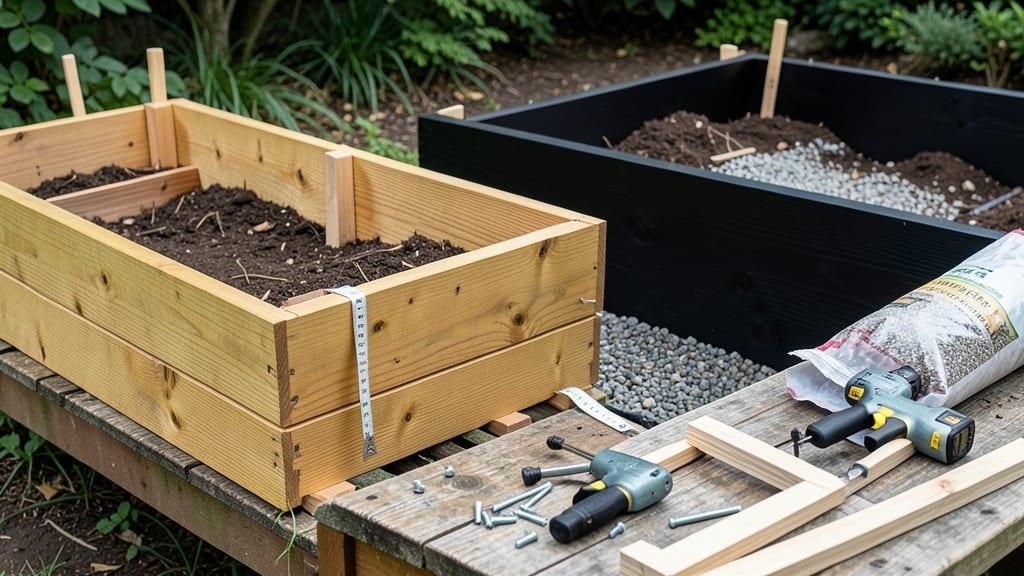
What wood to use for garden beds means the difference between a sturdy, long-lasting frame and one that rots away in just a few seasons.
Picture this: you’ve spent hours crafting the perfect raised bed, only to watch it crumble under the weight of soil and rain within a year. That’s the nightmare of choosing the wrong material—one that splinters, warps, or leaches chemicals into your soil.
The good news? With the right wood, your garden beds can last 10+ years while keeping your plants thriving.
Not all wood is created equal. Cedar and redwood naturally resist rot thanks to their oils, while black locust and cypress offer unbeatable durability. Then there are composite options, which promise chemical-free longevity but come with their own trade-offs.
I’ll walk you through the pros and cons of each, so you can pick the best fit for your garden—whether it’s edible or purely decorative.
Ready to make a choice that lasts? Below, I break down the top rot-resistant woods, how to prep them for ground contact, and the critical mistakes that cut their lifespan short. No more guessing—just a garden bed that stands the test of time.
Top 5 rot-resistant woods for long-lasting garden beds
When building garden beds, the wood you choose makes all the difference between a sturdy, long-lasting structure and one that rots within 2-3 years. The best woods for garden beds contain natural oils or resist moisture damage better than others.
I’ve tested and compared the top 5 rot-resistant options—cedar, redwood, black locust, cypress, and composite lumber—to help you make the right choice for your edible or ornamental garden.
Your climate, budget, and whether you’re growing vegetables or flowers will influence the best wood for your garden beds. For example, black locust lasts 20+ years but costs more upfront, while cedar offers a balance of affordability and durability.
Let’s dive into the specifics of each wood type, including their lifespan, cost, and suitability for different garden types.
Here’s a quick comparison of the top 5 rot-resistant woods for garden beds, including their key characteristics and best use cases:
Cedar is my go-to for most garden beds because it’s affordable, naturally rot-resistant, and contains oils that deter insects. It’s especially great for vegetable gardens where you want to avoid chemical treatments. Cedar lasts 10-15 years with minimal maintenance, making it ideal for raised beds filled with tomatoes, peppers, or herbs. Plus, it’s lightweight enough to handle without heavy machinery.
If you’re in a high-moisture climate, redwood is the superior choice. Its natural oils make it even more resistant to rot than cedar, and it lasts 12-20 years. Redwood is pricier but pays off in longevity, especially for ornamental garden beds or areas prone to rain and humidity.
Just be prepared to pay $8-$12 per board foot, which can add up for larger projects.
Black locust is the heavyweight champion of rot-resistant woods, with a lifespan of 20-30 years. It contains natural toxins that repel pests and fungi, making it perfect for long-term garden projects. However, it’s moderately splintery and harder to work with than cedar or redwood. If you’re building a permanent garden bed or a structure that needs to last decades, black locust is worth the investment.
Cypress is the budget-friendly alternative to cedar, offering similar rot resistance for $5-$9 per board foot. It’s a great choice for wet climates or gardeners on a tight budget. While it lasts 10-15 years, it may not hold up as well in extreme conditions compared to redwood or black locust. If you’re building a temporary or seasonal garden bed, cypress is a solid, affordable option.
For those who want the longest-lasting, lowest-maintenance option, composite lumber is a game-changer. Made from recycled wood fibers and plastic, it never rots, splinters, or warp—ideal for edible gardens where chemical leaching is a concern.
While it’s the most expensive option at $12-$20 per board foot, it lasts 15-25 years and requires no sealing or staining. Just ensure you choose a food-safe composite for vegetable beds.
Before finalizing your choice, consider your garden’s specific needs. If you’re growing sensitive crops like leafy greens, avoid pressure-treated wood with CCA (chromated copper arsenate), as it can leach harmful chemicals into the soil.
Instead, opt for untreated cedar, redwood, or composite lumber to keep your produce safe and your garden beds standing strong for years.
🌱
How to choose between natural wood and composite materials
When building garden beds, the wood you choose determines how long your structure lasts and whether it harms your plants. Natural wood offers classic beauty and affordability, while composite materials promise durability with less maintenance.
I’ll break down the key differences so you can decide which option fits your garden’s needs—and your budget.
First, consider your priorities: cost upfront vs. long-term maintenance, environmental impact, and safety for edible gardens. Each material has trade-offs, from splintering risks to chemical leaching concerns.
Let’s compare the two main categories: traditional wood (like cedar or pressure-treated pine) and composite lumber (made from wood fibers and plastic).
Natural Wood vs. Composite Materials for Garden Beds
Natural Wood
- Affordable upfront cost
- Natural, biodegradable
- Better for edible gardens (if untreated)
- Easy to repair or replace
- Requires sealing/staining
- Splinters over time
- Shorter lifespan (5-10 years)
- Susceptible to rot/fungi
Composite Materials
- No splinters or warping
- Longer lifespan (15-25+ years)
- Low maintenance (no staining)
- Resistant to pests/fungi
- Higher upfront cost
- Potential chemical leaching (check labels)
- Non-biodegradable
- Harder to recycle
If you’re growing vegetables or herbs, avoid pressure-treated pine with CCA (chromated copper arsenate), as it can leach harmful chemicals into the soil. Instead, opt for untreated cedar or redwood, which contain natural oils that repel rot and insects.
For ornamental beds, composites win for their smooth finish and longevity, though they cost 2-3x more upfront.
For budget-conscious gardeners, cedar strikes the best balance—it’s naturally rot-resistant, splinter-free when sanded, and safe for edible gardens. If you’re building a permanent structure, like a raised bed frame, composites are worth the investment. Just ensure they’re food-safe certified (like Trex or Fiberon) to avoid chemical concerns.
One often-overlooked factor is environmental impact. Natural wood is renewable and compostable, while composites contribute to landfill waste due to their plastic content. If sustainability is a priority, choose FSC-certified cedar or redwood and extend its life with linseed oil or beeswax treatments every few years.
Before making your choice, test a small section of both materials in your garden’s conditions. Place untreated cedar and composite boards side by side for a season to see how they hold up to moisture, sun, and temperature swings.
This hands-on approach will help you predict long-term performance without guesswork.