
Tools
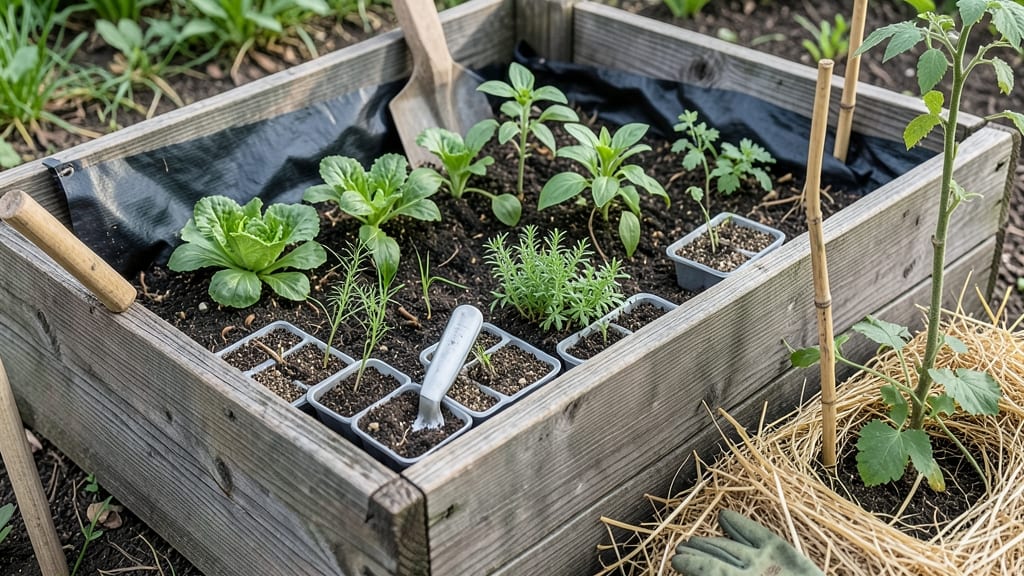
Outdoor raised garden bed ideas are the game-changer for small yards, turning tight spaces into lush, productive gardens with minimal effort.
Picture this: your backyard is packed with potted plants and a few sad square-foot plots, but you dream of a thriving garden that actually fits. The solution? Clever raised bed designs that save space, boost yields, and even add curb appeal—without breaking the bank.
From L-shaped and tiered beds to vertical and circular layouts, these ideas maximize sunlight, drainage, and accessibility while working with any yard size. Whether you’re working with cedar, composite lumber, or recycled metal, the right shape can transform your gardening game.
Below, I’ll walk you through 10 space-saving shapes, the best materials for your climate, and how to arrange them for optimal growth—so you can finally grow what you love, not what fits.
10 Space-saving raised garden bed shapes for small yards
Small yards don’t mean small harvests! The key lies in clever raised garden bed shapes that maximize every square inch while improving drainage and accessibility. Traditional rectangular beds waste space, but unconventional designs like L-shapes and tiered layouts let you grow more without expanding your footprint.
I’ve tested these space-saving shapes in my own backyard, and they’ve transformed tight spaces into productive gardens. Whether you’re growing vegetables, herbs, or flowers, the right shape can make all the difference in yield and ease of maintenance.
Below, I’ve compared 10 innovative raised bed shapes based on space efficiency, drainage, and ease of planting. Each design includes visual benefits like better corner utilization and improved sunlight exposure.
My favorite space-saving shape is the L-shaped bed—it fits perfectly in tight corners while allowing access from two sides. For vertical space, tiered beds let you grow herbs and strawberries without taking up extra ground area.
The keyhole design is another game-changer, especially for compost-heavy gardens. The central hole lets you add compost directly without disturbing plants, while the shape maximizes every inch of growing space.
If you’re working with limited sunlight, opt for the spiral or circular shapes. These designs create microclimates where plants in the center receive more shade while those on the edges get full sun.
For accessibility, the U-shaped bed is ideal—it allows you to stand inside and reach all sides easily. This is perfect for wheelchair users or anyone who wants to minimize bending.
Don’t overlook vertical gardening either! Mounting a vertical raised bed on a fence or wall can double your growing space.
How to choose the best raised garden bed material for your climate
Selecting the right material for your raised garden bed depends on your local climate and long-term gardening goals. Humid climates demand rot-resistant woods, while dry regions benefit from low-maintenance composites. Cold areas need sturdy materials that withstand freeze-thaw cycles.
Each option offers unique trade-offs between durability, cost, and maintenance—let’s break down the best choices for your needs.
For humid climates, cedar and redwood naturally resist moisture, making them ideal for areas with high rainfall or frequent dew. However, their higher cost may not suit every budget. Composite lumber is another excellent option, offering decades of durability without warping or splintering.
Meanwhile, metal beds provide a sleek, modern look and excellent drainage but can overheat in direct sun and may require extra insulation for cold winters.
Raised Garden Bed Material Comparison
Cedar
- Pros: Naturally rot-resistant, aromatic, pest-repellent
- Cons: Expensive, requires sealing over time
Best for: Humid climates, long-term durability
Redwood
- Pros: Resistant to decay, attractive grain, moderate cost
- Cons: Can warp in extreme heat, needs occasional sealing
Best for: Moderate climates, aesthetic appeal
Composite Lumber
- Pros: Won’t rot, splinter, or warp; low maintenance
- Cons: Higher upfront cost, can get hot in sun
Best for: All climates, minimal upkeep
Metal
- Pros: Durable, modern look, excellent drainage
- Cons: Can rust, retains heat, may need insulation
Best for: Dry climates, urban gardens
If you live in a dry climate, composite lumber or metal beds are excellent choices. Composites won’t crack or warp from temperature swings, while metal beds offer superior drainage and can be painted to reflect sunlight.
For cold climates, cedar or redwood beds provide insulation benefits, protecting roots from freezing temperatures. Just ensure proper drainage holes to prevent waterlogging during spring thaws.
Consider your budget and maintenance tolerance when choosing. Cedar and redwood require occasional sealing to maintain their rot resistance, while composites need almost no upkeep. Metal beds may need repainting every few years to prevent rust.
For a balance of cost and durability, pressure-treated lumber is a budget-friendly alternative, though it requires a liners or barriers to prevent chemical leaching into soil.
My personal recommendation? For humid areas, cedar is worth the investment—its natural oils keep pests away and resist moisture beautifully. In dry regions, composite lumber offers peace of mind with minimal effort.
And for cold climates, a cedar bed with added insulation (like straw bales) can extend your growing season dramatically. Test a small section first to see how your chosen material performs in your specific microclimate.
Remember, the best material is the one that fits your climate, budget, and gardening style. Whether you prioritize longevity, aesthetics, or low maintenance, there’s a perfect option waiting for your outdoor raised garden bed. Happy planting! 🌱