
Watering
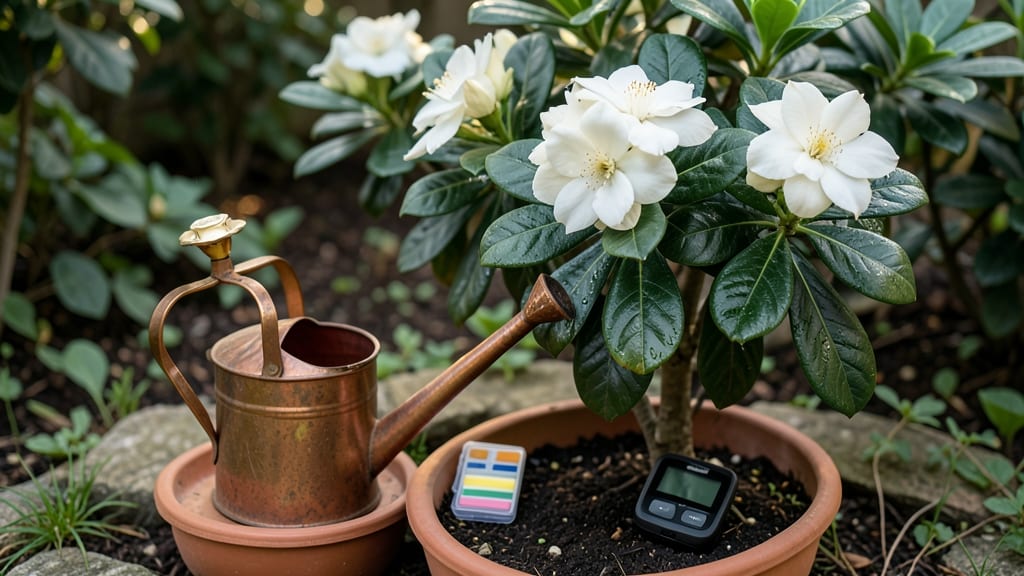
To water gardenia 🌸 plants properly, aim for deep, consistent moisture without letting the soil stay soggy — the key is striking that balance between thirsty roots and rot risks.
Struggling to keep your gardenias blooming while avoiding mushy roots? The secret lies in mastering their watering needs — too much or too little can ruin these fragrant favorites.
Most gardeners overdo it, thinking these tropical-looking shrubs crave constant dampness, but soggy soil is their worst enemy. I’ve seen thriving gardenias in zone 6a with just morning watering and mulch, while others drown their plants by watering every day.
Below, I’ll show you the exact schedule, soil checks, and seasonal tweaks to keep your gardenia’s roots happy and its blooms coming back year after year.
Gardenias watering schedule: how often and when to water for optimal growth
Mastering your gardenia's watering schedule is the key to those glossy leaves and fragrant blooms you love. Unlike drought-tolerant succulents, gardenias thrive on consistent moisture but despise soggy roots. The science is simple: they need well-draining acidic soil that stays evenly damp, never waterlogged.
My gardenias reward me with double the blooms when I stick to this routine—here's exactly how I do it.
Seasonal shifts dramatically change your watering frequency. In spring and fall, when temperatures are mild, I water every 3-4 days. But during summer heatwaves, I increase to daily deep waterings—the secret is checking soil moisture before each watering.
Winter slows growth, so I reduce to bi-weekly waterings to prevent root rot in cold, damp soil. The timing matters just as much as frequency.
Morning watering between 6-9 AM is my golden rule. This timing gives roots all-day hydration while preventing fungal diseases that thrive in evening moisture. I've seen gardenias develop black spot fungus when watered at night—don't make that mistake! For container gardenias, I water 2-3 times weekly since pots dry faster than garden beds.
Checking soil moisture is easier than you think—no fancy tools needed. Stick your finger 1-2 inches deep into the soil. If it feels dry, it's time to water. For container gardenias, lift the pot—if it's light, water immediately.
I've trained myself to water until I see water runoff from the drainage holes, ensuring roots get the message to drink up. Overwatering is the #1 killer, so always pair watering with well-draining soil mixes containing perlite or sand.
Your gardenia's leaves tell the watering story. Yellowing leaves often mean overwatering, while wilting or crispy edges signal underwatering. I once killed a gardenia by ignoring these signs—now I check leaves weekly.
For extra insurance, I mulch with 2-3 inches of pine bark to retain moisture and regulate soil temperature. This simple trick cuts my summer watering needs by 30% while keeping roots happy.
Rainwater is pure gold for gardenias—it's naturally acidic and chemical-free. I collect rainwater in barrels and use it exclusively for my gardenias. If you can't collect rainwater, use distilled or filtered water to avoid fluoride buildup, which gardenias hate.
Tap water with high chlorine or fluoride can cause leaf burn over time. For container plants, I always let tap water sit 24 hours before using it.
Adjust your schedule based on your gardenia's growth stage. Newly planted gardenias need daily watering for the first two weeks to establish roots. Mature plants with established root systems can handle slightly longer intervals.
I've noticed my 5-year-old gardenias bloom more prolifically when I reduce summer watering slightly after the first flush of flowers—this mimics natural seasonal changes and prevents excessive leaf growth at the expense of blooms.
Pro tip: Group your gardenias together in one area to create a <
Signs of overwatering vs. underwatering gardenias (and how to fix it)
Your gardenias 🌸 might look stunning, but their health depends entirely on how you water them. Too much water causes root rot and yellow leaves, while too little leads to drooping foliage and stunted blooms.
The key is finding that consistent moisture balance—neither soggy nor bone-dry. Let's decode the visual clues your plant sends so you can act fast before damage sets in.
Start by checking the soil moisture 1-2 inches below the surface. Stick your finger in—if it feels damp but not wet, you're on track. If it's dry, your gardenia is thirsty.
But if water pools or the soil smells sour, you've overdone it. These simple checks prevent 90% of watering mistakes before they harm your plant.
Overwatering shows up as yellowing leaves that start at the bottom, mushy stems, and a white, fuzzy mold growth on the soil. Your gardenia might also drop buds before they bloom. The roots? They’ll turn brown and mushy when pulled gently—a sure sign of anaerobic conditions where roots suffocate.
How to Water Gardenia: Pros & Cons
✅ DO This
- Water deeply 1-2x/week (spring-fall)
- Use morning watering to reduce fungal risk
- Check soil moisture before watering
- Ensure well-draining soil with perlite
- Water at soil level, not leaves
❌ DON'T Do This
- Avoid soggy soil—gardenias hate "wet feet"
- Never water at night (promotes mildew)
- Skip daily light sprinkles—shallow watering stresses roots
- Don't ignore yellow leaves—act fast to prevent rot
- Never use hard water (builds up salts)
To fix overwatered gardenias, stop watering immediately and let the soil dry out. Repot the plant in fresh, well-draining mix with perlite or sand. Trim any mushy roots with sterilized scissors and treat with a fungicide if mold appears.
Place the plant in bright, indirect light and monitor soil moisture closely.
Underwatered gardenias show crispy leaf edges, drooping branches, and leaves that feel paper-thin when touched. The soil pulls away from the pot edges, and buds may fail to open. Revive your plant by giving it a deep soak until water runs out the drainage holes.
Mulch the soil surface to retain moisture and place the pot in a humidity tray to mimic its tropical habitat.
For long-term success, adjust your watering schedule based on the season. In summer, water every 2-3 days, while winter calls for bi-weekly watering. Always pair watering with proper drainage—gardenias despise sitting in water.
With these fixes, your gardenias will bounce back with glossy leaves and fragrant blooms in no time. 🌿