
Watering
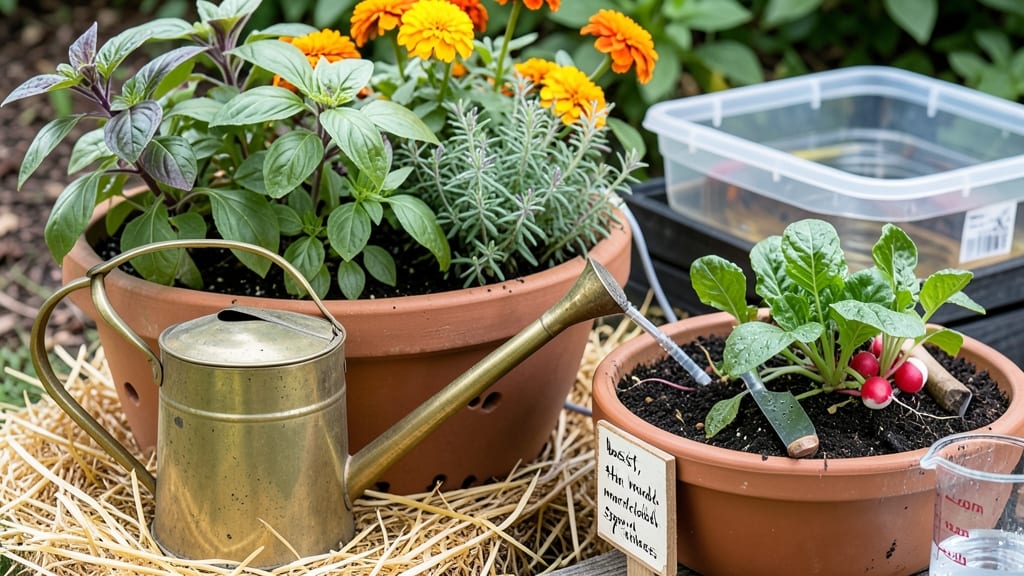
Watering your garden when you're away doesn’t have to mean coming home to wilted 🌱 plants or dried-up soil.
Leaving your garden unattended for a weekend—or even a two-week vacation—doesn’t mean your plants have to suffer. Without the right setup, even the hardiest General Garden Plants can turn into a sad, brown memory faster than you think.
The good news? There are smart, reliable ways to keep your garden thriving while you’re out of town.
From automated drip systems to simple DIY hacks, I’ll walk you through the best options based on your trip length, budget, and the types of plants you’re growing. No more guessing whether your garden will survive your absence—just a foolproof plan to keep everything lush and healthy.
Whether you’re a tech-savvy gardener or prefer low-maintenance solutions, you’ll find out exactly how to water your garden when away—so you can relax without worrying about what’s happening in your backyard.
Best automated watering systems for travelers: types and how they work
When you're planning a trip, the last thing you want is to return to a garden full of wilting plants or even worse, root rot from overwatering. Automated watering systems solve this problem by delivering precise moisture while you're away.
But with so many options—from basic drip irrigation to high-tech smart sprinklers—how do you choose the right one for your garden? Let’s break down the top three systems, their setup requirements, and which plants they work best for.
The key to selecting the right system is understanding your garden’s water needs. Succulents and cacti, for example, thrive on infrequent deep watering, while tropical plants like ferns and calatheas need consistent moisture.
Some systems are better suited for large gardens, while others excel in container setups. Below, we’ll compare the pros, cons, and ideal use cases for each system so you can make an informed decision.
🌱
Drip irrigation is one of the most popular choices for vegetable gardens and flower beds because it delivers water directly to the root zone, minimizing waste and evaporation. Systems like the Rain Bird Drip or Gardena are user-friendly and can be set up in as little as an hour.
For succulents or drought-tolerant plants, you can adjust the flow rate to match their low-water needs. However, drip systems require occasional maintenance to prevent clogging, especially if you’re using hard water.
Smart sprinklers, on the other hand, are ideal for lawns and large gardens where broad coverage matters more than precision. Brands like Rachio or Orbit B-Hyve
DIY watering hacks for short trips: no-system solutions that actually work
When you're heading out for a weekend or longer trip, your garden doesn’t have to become a crispy memory. I’ve tested these no-system watering hacks on my own plants, and they’ve saved my herbs, veggies, and flowers from drying out.
The best part? They cost almost nothing and require zero technical skills.
These methods work best for short trips (3-14 days) in moderate climates. For extreme heat or humidity, you’ll need to adjust the water volume or combine methods. Let’s dive into the simplest, most effective ways to keep your plants hydrated while you’re away.
💧 5 DIY Watering Hacks That Actually Work
-
🪴 Self-Watering Containers
Perfect for potted plants or seedlings. Fill a plastic bottle with water, flip it upside down, and place it in the soil. The bottle’s nose should touch the roots. Water slowly seeps out as the soil dries. Lasts 7-10 days for most plants. -
🚰 Buried Plastic Bottles
Cut the bottom off a 2-liter soda bottle, remove the cap, and bury it near the plant’s roots. Fill it with water—it’ll trickle out over 5-7 days. Works best for small gardens or flower beds with loose soil. -
🧽 Sponge Watering
Soak a household sponge in water, wrap it around the soil base of potted plants, and secure it with twine. The sponge releases moisture gradually over 3-5 days. Ideal for delicate plants like lettuce or basil that hate soggy roots. -
💦 Capillary Mats
Lay a cotton or microfiber mat under pots, soak it in water, and drape the edges into a bucket of water. The mat wicks moisture to the pots as needed. Lasts 10+ days if the bucket stays full. Great for herb gardens or windowsill plants. -
🌱 Group Planting
Plant water-loving species together (like basil, mint, and parsley) in one pot or bed. Their shared root zones create a microclimate that retains moisture longer. Add a thick layer of mulch to slow evaporation.
For succulents or drought-tolerant plants, these methods work even better because they need less frequent watering. If you’re gone for 10+ days in summer, combine a buried bottle with a capillary mat for double protection.
Always test your setup a week before your trip to adjust water volume as needed.
Pro tip: Place a small dish of water near indoor plants to boost humidity, especially if your home’s air is dry. Just make sure the dish is shallow enough that it doesn’t spill over and drown the roots.
A little extra moisture in the air can buy your plants an extra day or two of life.
Remember, overwatering is just as deadly as underwatering. If your trip extends into unseasonably wet weather, consider adding a drainage layer (like pebbles) under buried bottles to prevent root rot. Your plants will thank you when you return to lush, thriving greenery instead of sad, wilted stems.