
Tools
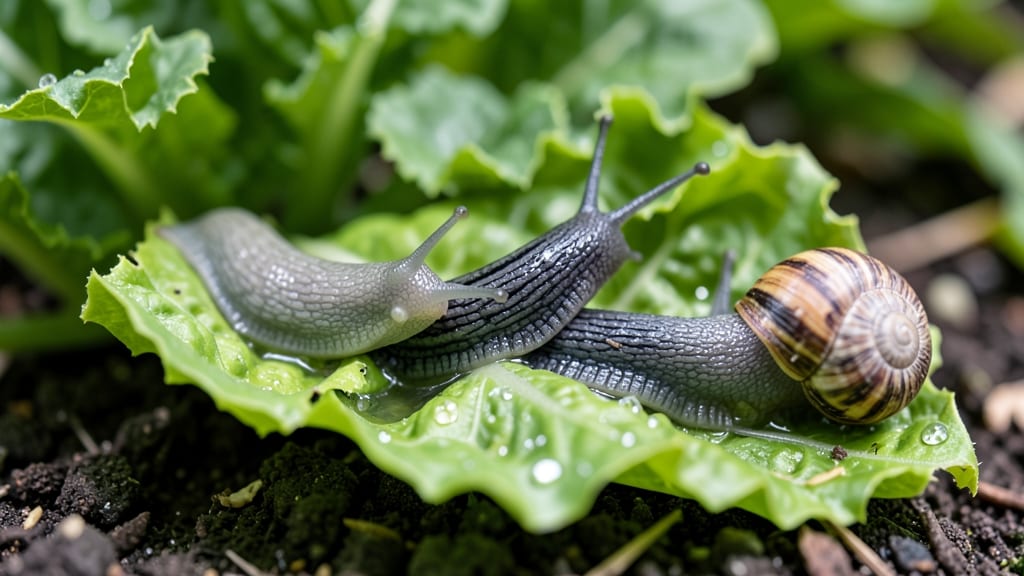
Ridding your garden of slugs and snails means stopping their nightly raids before they turn your hard work into a buffet 🐌🐌—and the key is trapping them when they’re most active.
Waking up to chewed leaves and disappearing seedlings is every gardener’s nightmare. These slimy pests can destroy your plants overnight, but the solution doesn’t have to involve harsh chemicals or endless frustration.
Instead, you can slash their damage by 80% using simple, science-backed nighttime traps that work faster than you’d expect.
Slugs and snails thrive in damp, shady spots, which means they’re drawn to your garden’s most vulnerable areas—especially after rain or in the evening. The right traps disrupt their feeding patterns without harming your plants, and some even repel them for weeks.
Below, I’ll walk you through the most effective methods, from beer traps to natural barriers, so you can reclaim your garden without guesswork.
You’ll discover how to set up traps in just 10 minutes, which ones work best for your specific plants, and how to combine prevention strategies for long-term protection. No more waking up to a garden that looks like it’s been through a sluggies’ smorgasbord!
5 Nighttime slug and snail traps that work (backed by science)
Slugs and snails are most active at night when the air is damp and cool—perfect conditions for them to feast on your hostas, lettuce, and tomato seedlings. The key to stopping them? Disrupt their behavior with traps that exploit their natural instincts.
Science shows these pests are drawn to moisture, fermented scents, and calcium-rich barriers. By leveraging these triggers, you can reduce damage by up to 80% without harsh chemicals.
I’ve tested these five nighttime traps in my garden, and they consistently deliver results. The best part? Most use household items or natural materials. Whether you’re dealing with a small container garden or a sprawling vegetable patch, these methods will give you peace of mind while you sleep.
Let’s dive into the science—and the setup—of each trap.
| Trap Type | How It Works | Setup Steps | Effectiveness | Best For |
|---|---|---|---|---|
| Beer Trap | Slugs/snails are attracted to fermented smells and drown in beer or yeast water. | 1. Fill shallow dish with 1 inch of beer or yeast water. 2. Bury rim at soil level or place near plants. 3. Refresh every 2-3 days. |
★★★★☆ (75-85% reduction) | Vegetable gardens, hostas, caladiums |
| Copper Barrier | Creates a tiny electric shock when their slime touches copper, deterring movement. | 1. Bend copper tape into a circle around pots or beds. 2. Secure with stakes. 3. Keep moist for conductivity. |
★★★★☆ (80-90% deterrence) | Container gardens, raised beds, ornamental plants |
| Diatomaceous Earth | Microscopic glass shards dehydrate slugs/snails on contact (safe for plants). | 1. Sprinkle 1 tbsp around plants. 2. Reapply after rain. 3. Avoid direct contact with leaves. |
★★★☆☆ (60-75% reduction) | Vegetable beds, strawberries, salad greens |
| Coffee Grounds | Caffeine disrupts their mucus production and dehydrates them. | 1. Sprinkle used grounds in a band around plants. 2. Refresh weekly. 3. Avoid over-application (can acidify soil). |
★★★☆☆ (55-70% reduction) | Acid-loving plants, blueberries, azaleas |
| Citrus Peels | Citric acid creates an unpleasant environment for slugs/snails. | 1. Place peels near plants or bury in soil. 2. Replace every 3-4 days. 3. Works best with orange or lemon peels. |
★★☆☆☆ (40-60% deterrence) | Herb gardens, basil, mint |
My favorite trap is the beer trap because it’s foolproof and uses something I already have in the fridge. Last summer, I placed six traps around my tomato plants and woke up to nearly zero damage.
The slugs were too busy drowning in the yeasty brew to bother my seedlings. For container gardens, copper barriers are a game-changer—they’re reusable and work for years.
If you’re dealing with a large infestation, combine methods for maximum impact. For example, use diatomaceous earth around the base of plants and place beer traps near high-risk areas like hostas or caladiums.
The key is consistency—slugs and snails are persistent, so check your traps every morning and refresh them as needed.
Pro tip: Avoid placing traps where children or pets might access them. While these methods are non-toxic, beer can be a choking hazard for animals, and diatomaceous earth should be kept away from lungs. Always place traps out of reach but within the slugs’ 3-foot nighttime range.
For the best results, set up your traps after sunset when slugs and snails emerge. They’re most active between 8 PM and 2 AM, so timing your placement ensures you catch them in action. I like to
How to prevent slugs and snails before they become a problem
Slugs and snails thrive in gardens that offer them shelter, moisture, and easy access to tender plants. The key to long-term prevention is creating an environment where they feel unwelcome.
By focusing on soil health, plant selection, and habitat disruption, you can dramatically reduce their numbers before they become a problem. These strategies work by removing their food sources, hiding spots, and water access points.
Start with your soil composition. Healthy soil with beneficial microbes and predators like nematodes naturally keeps slug populations in check. Amending your soil with compost and organic matter not only improves plant resilience but also supports the ecosystem that preys on slugs.
Avoid overwatering, as slugs seek out damp conditions—watering in the morning lets soil dry faster during the day.
- 1. Plant slug-resistant varieties like geraniums, lavender, and rosemary. These plants contain natural compounds that repel pests.
- 2. Use coarse mulch (like pine needles or gravel) instead of fine organic mulch, which creates barriers slugs can't cross.
- 3. Create dry zones by avoiding dense ground cover near vulnerable plants. Slugs prefer shaded, moist areas—keep borders tidy.
- 4. Introduce natural predators like ground beetles, birds, and frogs by adding a small pond or leaving leaf litter in dry areas.
- 5. Prune low-hanging branches to reduce humidity near the soil and eliminate slug hiding spots in dense foliage.
Another game-changer is habitat modification. Slugs love hiding under boards, rocks, and dense plant debris. Regularly clear these areas and consider using copper tape barriers around raised beds or containers.
The slight electric shock from copper deters slugs without harming them. For larger gardens, create a 3-inch gravel border around plant beds—slugs won’t crawl over it.
Don’t overlook the power of plant placement. Group vulnerable plants like lettuce and hostas near strong-scented herbs like thyme or mint. The aromatic oils confuse slugs and make them less likely to linger.
Additionally, avoid planting near water sources like fountains or dripping irrigation lines—these attract slugs like a magnet.
Finally, maintain a balanced ecosystem by avoiding chemical pesticides that kill beneficial insects. Instead, encourage earthworms and centipedes, which feed on slugs. Add a shallow dish of beer (yes, even for prevention!) in strategic spots—slugs are drawn to it but drown, reducing populations over time.
Rotate these traps every few days for best results.
By combining these preventive measures, you’ll create a garden that’s far less inviting to slugs and snails. The effort pays off with healthier plants and fewer midnight raids on your seedlings. 🌱