
How To
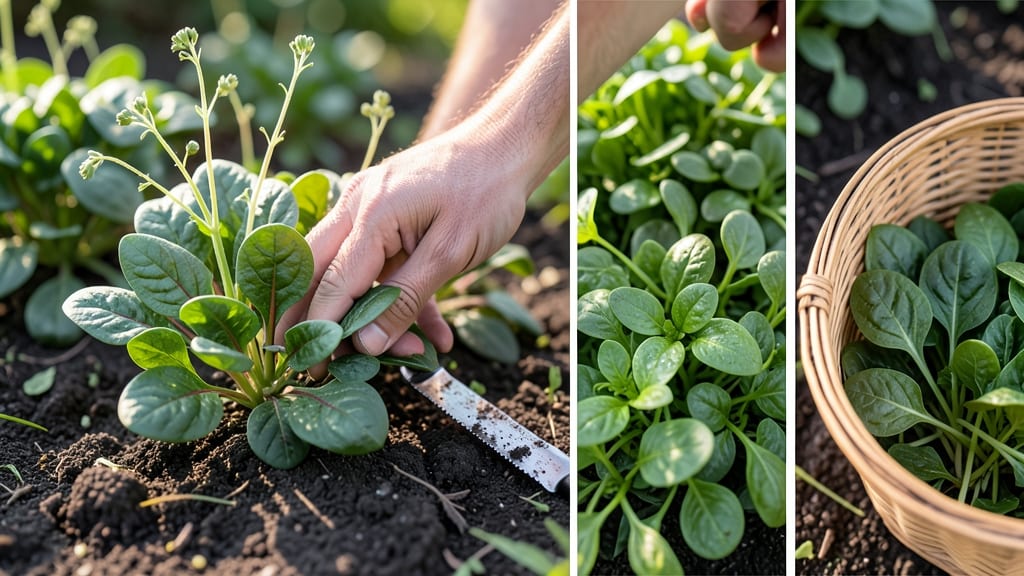
To know when to harvest spinach, watch for leaves that are 3–6 inches long and still tender—this is the sweet spot for flavor and texture.
Harvesting spinach at the right time ensures tender leaves packed with flavor—and avoiding the bitter, tough greens that ruin your dish. But how do you know when those perfect leaves are ready?
Start by checking leaf size: baby spinach (🍃) is best when leaves reach 3–4 inches, while mature spinach thrives at 5–6 inches. Bright green color and a slight crunch when pinched confirm readiness.
In this guide, I’ll break down the best visual cues, flavor tests, and seasonal tips to time your harvest perfectly—so you never miss the window for peak freshness.


Spinach leaf size and growth stage indicators for perfect harvest timing
Harvesting spinach at the right moment transforms your garden into a flavor powerhouse. The key lies in understanding leaf size benchmarks and growth stage indicators that signal peak tenderness. For baby spinach, aim for 3-4 inch leaves, while mature spinach thrives at 5-6 inches.
These measurements ensure you avoid the bitter, fibrous leaves that develop when spinach overstays its welcome.
Spinach grows in distinct stages that directly impact harvest timing. First comes the seedling stage (0-2 weeks), where tiny sprouts emerge. Next is the juvenile growth phase (2-4 weeks), where leaves expand rapidly.
Finally, the mature leaf stage (4-8 weeks) is when you'll see those perfect 4-6 inch leaves ready for harvest. Each stage offers different harvest opportunities—baby leaves can be picked earlier, while full-sized leaves deliver maximum yield.
One of the most reliable leaf size indicators is measuring from the base to the leaf tip. For baby spinach varieties like 'Baby's Leaf Hybrid', harvest when leaves reach 3-4 inches. These tender young leaves are perfect for salads and sandwiches.
For mature spinach like 'Bloomsdale Long Standing', wait until leaves hit 5-6 inches—this size delivers the best texture for cooking. Use a ruler or measuring tape to track growth if you're unsure.
Beyond size, pay attention to leaf color and texture as key indicators. Ready-to-harvest spinach leaves should be a vibrant green color with a slightly waxy surface. If leaves start developing yellow edges or feel leathery to the touch, they've passed their prime.
The stem should separate cleanly when gently pulled—this is your green light to harvest. Avoid leaves with brown spots or wrinkled textures, as these signal stress or disease.
Seasonal timing also plays a crucial role in determining harvest windows. In spring plantings, aim to harvest between 6-8 weeks after sowing, typically in April or May. For fall crops, harvest between September and October before frost arrives.
Spinach thrives in cool temperatures (50-75°F), so avoid harvesting during heatwaves, which cause leaves to bolt prematurely. If temperatures rise above 80°F, your spinach may send up flowering stalks, ruining the harvest.
For continuous harvests, use the cut-and-come-again method. Snip the outer leaves first, leaving the inner leaves to regrow. This technique extends your harvest by 4-6 weeks and encourages bushier growth. Always use clean, sharp scissors or pruners to avoid damaging the plant.
Cut leaves at a 45-degree angle just above a leaf node to promote new growth. This method works best for bush spinach varieties rather than savoy types.
Watch for bolting signs—the development of flowering stalks—which indicate your spinach is past its prime. Bolting occurs when spinach senses long daylight hours or heat stress. Once you see yellow flowers or tall stems, the leaves become bitter and tough.
To prevent bolting, plant shade cloth during hot afternoons or choose heat-tolerant varieties like 'Tyee' or 'Space'. These varieties can handle slightly warmer conditions while maintaining tender, sweet leaves.
Pro tip: Harvest in the morning after dew has dried for
Flavor and texture tests to confirm spinach readiness before cutting
When your spinach plants reach the right size, the next step is confirming their flavor and texture before harvesting. This sensory check ensures you avoid bitter, fibrous leaves that ruin salads or cooked dishes. The best way to test readiness is through simple, hands-on methods that take just seconds.
First, focus on the pinch test—the fastest way to gauge tenderness. Gently squeeze a leaf between your thumb and forefinger. If it feels soft and pliable like a fresh salad green, it’s ready.
If the leaf resists or feels tough and leathery, wait a few more days. This test works best on the outer leaves, which mature first.
⚠️ WARNING: Overlooking Flavor Cues Can Ruin Your Harvest Heat and drought stress trigger bitterness in spinach, even if leaves look perfect. Always taste-test a small leaf before full harvest. Sweet, mild flavor means prime readiness.
A sharp, peppery taste signals stress or overmaturity. If your spinach tastes bitter, check your watering schedule or move plants to cooler shade immediately—these factors directly impact flavor.
Environmental factors play a huge role in spinach readiness. Hot summer days above 75°F (24°C) cause spinach to bolt (flower) quickly, turning leaves bitter. Similarly, drought conditions force plants to produce tougher, more fibrous foliage.
If your garden is experiencing unusually dry or hot weather, harvest earlier than usual to avoid these issues.
For baby spinach varieties, aim to harvest when leaves are 3-4 inches long and still tender. Larger varieties like 'Giant Winter' can wait until 6 inches, but always prioritize texture over size.
Use clean, sharp scissors to cut leaves just above the soil line, leaving the inner growth point intact for regrowth.
Pro tip: Harvest in the morning after dew has dried but before the sun peaks. Leaves are most tender and flavorful at this time, and you’ll avoid the stress of midday heat.
Store harvested spinach in the fridge for up to 5 days, but use it as soon as possible for the best texture and taste.
By mastering these flavor and texture tests, you’ll consistently harvest spinach at its peak—sweet, tender, and free from bitterness. Your salads, sautés, and smoothies will thank you! 🌱