
How To
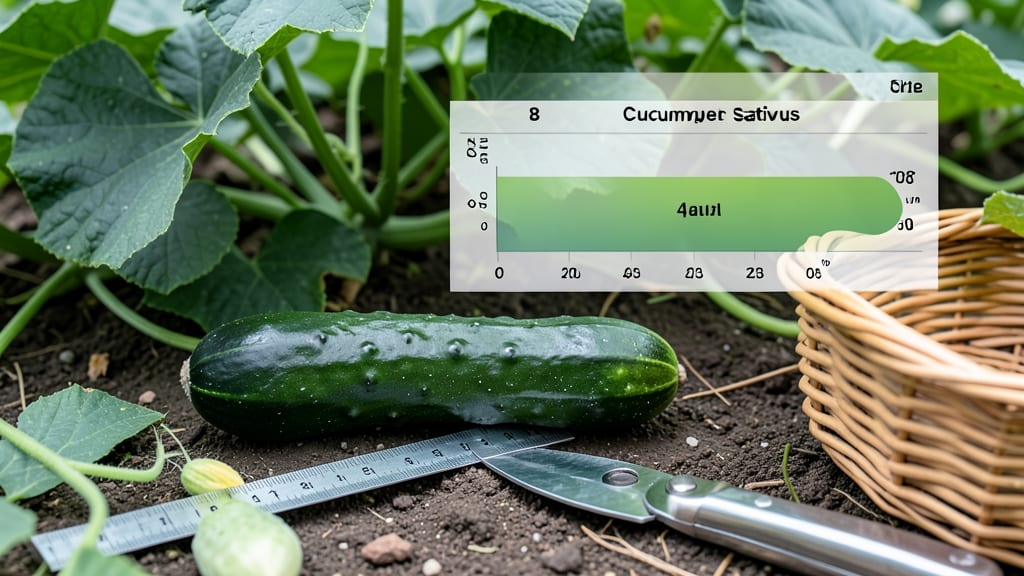
To know when to harvest cucumbers, watch for three key signs: firm skin, vibrant color, and a clean break at the stem—each tells you whether your 🥒 is ready for the kitchen or still needs time to ripen.
Picture this: you’ve been waiting weeks for your first harvest, only to pick a cucumber that’s still tough, seedy, or bitter. That’s the frustration of guessing instead of testing. The good news? You don’t need a degree in botany to tell when a cucumber is perfect—just your fingers and eyes.
Harvesting at the right moment isn’t just about flavor (though that’s the big payoff). It’s also about keeping your plants productive. Leave cucumbers on the vine too long, and they’ll turn woody or attract pests.
But pick them too early, and you’ll miss out on that crisp, sweet snap you crave in salads and sandwiches.
Below, I’ll walk you through three simple tactile tests—no fancy tools required—to nail the harvest window for slicing, pickling, and everything in between. By the end, you’ll never second-guess when to pluck another 🥒 from the vine.


3 Tactile tests to determine cucumber ripeness before harvesting
Harvesting cucumbers at the perfect moment transforms your garden's bounty into crisp, flavorful picks—while waiting too long turns them into tough, seedy disappointments. The key lies in your hands and eyes, not just the calendar.
These 3 tactile tests reveal when cucumbers are ready to harvest, ensuring peak texture and taste without bitterness. I’ve used these methods for years in my garden, and they’ve saved me from countless overripe cucumbers gathering dust on the vine.
First, let’s address the biggest mistake gardeners make: relying solely on size. A cucumber might look big enough but still be underripe or overripe. Instead, combine these hands-on checks with visual cues for foolproof results.
Whether you’re growing slicing varieties like Marketmore or pickling types like Boston Pickling, these tests work for all cucumbers. Grab a cucumber, head outside, and let’s get tactile!
🌱 3 Tactile Tests for Perfect Cucumber Harvest
- 1
- 2
- 3
Pro Tip: Perform these tests in the morning when cucumbers are coolest and firmest. Avoid harvesting after a hot day, as heat softens the skin temporarily.
Let’s break down each test in more detail, so you can confidently assess your cucumbers like a seasoned gardener. The skin firmness test is my go-to because it’s quick and reliable. I press my thumbnail near the cucumber’s midsection, where the skin is thinnest.
A perfect cucumber should yield just enough to leave a faint imprint—like pressing your finger into a ripe avocado. If the skin springs back immediately, it’s not ready yet. If it stays dented or feels spongy, it’s past its prime.
For the thorn tenderness test, focus on the area where the cucumber attaches to the vine. Ready cucumbers develop a subtle waxy texture near the stem end, and the thorns lose their sharpness.
I often compare cucumbers side by side: one with stiff thorns (needs more time) and one with flexible thorns (harvest now). This test is particularly useful for long, slender varieties like Straight Eight, which can be tricky to judge by size alone.
The stem separation test might seem counterintuitive—after all, you don’t want to damage the plant—but it’s the most accurate way to gauge maturity. A cucumber ready for harvest will detach easily when you gently twist it. If the stem resists, the cucumber needs 1–2 more days.
If it pulls away with little effort, it’s likely overripe. I’ve found that harvesting in the early morning makes this test even more reliable, as the plant’s moisture levels are optimal.
One common pitfall is assuming all cucumbers follow the same rules. For example, Persian cucumbers (like Iznik) are typically harvested when they’re 4–6 inches long and still smooth-skinned, while English cucumbers (like Burpee Bush Champion) can wait until they’re 8–10 inches with slightly bumpy skin.
Always check your seed packet or plant tag for variety-specific guidelines, but use these tactile tests as your final judge.
Here’s a bonus tip: Harvest frequently to encourage your cucumber plants to produce more. When you pick a ripe cucumber, the plant redirects its energy to growing new flowers and fruits.
I like to harvest every 2–3 days during peak season, which keeps my plants productive and reduces the risk of overripe cucumbers. Plus, frequent harvesting means you’re always enjoying cucumbers at their crispest!
If you’re new to growing cucumbers, start by harvesting 2–3 cucumbers per week to get a feel for the plant’s rhythm. Pay attention to how quickly new fruits appear after you pick the ripe ones—this will help you predict the best harvest schedule.
And remember, morning harvests are ideal because cucumbers are cooler and firmer, making them easier to transport and store without bruising.
Finally, don’t let a few missed cues discourage you. Even experienced gardeners occasionally harvest a cucumber that’s a little too early or late. The good news? Underripe cucumbers can still be eaten (they’re just firmer) and overripe ones can be used for pickling or cooking.
But with these 3 tactile tests, you’ll soon be harvesting cucumbers at peak perfection every time. Happy gardening!
Why harvesting too early or late ruins your cucumbers (and how to avoid it)
Harvesting cucumbers at the wrong time can turn your crisp, sweet rewards into bitter, seedy disappointments. The science behind cucumber ripeness involves a delicate balance of size, texture, and seed development.
When you pick too early, you miss the peak flavor and crunch, while waiting too long leads to overripe, watery, or bitter-tasting produce. Understanding these key stages ensures you enjoy the best of your garden's bounty.
Cucumbers develop cucurbitacin, a naturally occurring bitter compound, as they age. This compound becomes more concentrated when cucumbers are left on the vine too long, especially in hot, dry conditions.
Additionally, overripe cucumbers lose their firm texture and develop soft, seedy centers, making them less enjoyable to eat. Knowing the exact signs of readiness for your specific variety can save your harvest from becoming inedible.
Another critical factor is the variety-specific maturity window. Slicing cucumbers like 'Straight Eight' should be harvested at 6-8 inches, while pickling varieties like 'Boston Pickling' are best when 3-4 inches long.
Ignoring these size guidelines can lead to cucumbers that are either too small and underdeveloped or too large and past their prime. Always check the seed packet or plant tag for variety-specific recommendations.
⚠️ Warning: Common Harvesting Mistakes
Harvesting too early leads to underdeveloped flavor and poor texture, while waiting too long causes bitterness and spoilage. Here’s how to avoid these pitfalls:
- 🌡️ Ignoring temperature cues: Hot weather speeds up ripening—check cucumbers daily in summer.
- 📏 Skipping size checks: Use a ruler or measure against your hand for variety-specific lengths.
- 🤏 Overlooking skin firmness: Press gently—if it dents easily, it’s not ready.
- 🌱 Neglecting stem signals: A cucumber ready to pick will separate cleanly from the vine.
One of the biggest mistakes gardeners make is harvesting based on color alone. While most cucumbers turn a deeper green as they mature, relying solely on this cue can lead to overripe or underripe picks. Instead, combine color with size and texture for the most accurate assessment.
For example, a Persian cucumber should be 6-8 inches long with a smooth, glossy skin, while a burpless hybrid may be ready at 7-9 inches with a slightly duller finish.
Environmental factors also play a role in cucumber ripening. High temperatures and low humidity accelerate the development of cucurbitacin, making cucumbers bitter faster. If you’re growing in a hot climate, harvest more frequently—sometimes every 2-3 days—to prevent bitterness.
Conversely, in cooler regions, cucumbers may take longer to mature, so patience is key and avoid harvesting until they meet all readiness criteria.
To maximize your harvest, establish a consistent picking routine. Check your cucumber plants every 1-2 days during peak growing season (June-August) and remove any cucumbers that meet the size, color, and texture criteria.
This not only ensures you enjoy the best flavor and texture but also encourages the plant to produce more. Many gardeners report a 30-50% increase in yield simply by harvesting regularly and removing overripe cucumbers promptly.
Finally, always use a sharp, clean pair of pruning shears or your hands to harvest cucumbers. Avoid twisting or tugging, as this can damage the plant and leave it vulnerable to pests and diseases.
Cut cucumbers 1-2 inches from the vine to prevent disease entry points and promote healthier growth. With these tips, you’ll enjoy crisp, sweet cucumbers all season long—no bitterness or disappointment in sight! 🥒