
How To
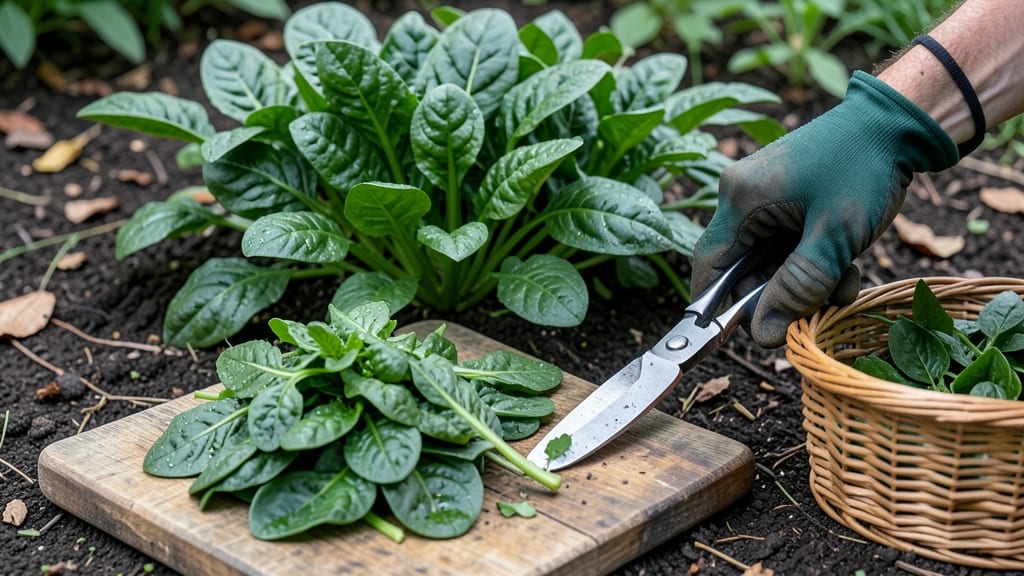
You can harvest spinach four or more times in a single season using the right technique—turning this leafy green from a one-time crop into a continuous producer.
Picture this: instead of pulling up your entire spinach patch after one harvest, you’re snipping outer leaves, watching new growth sprout, and enjoying fresh greens for weeks. It’s not just possible—it’s the secret to maximizing your garden’s yield without planting extra seeds.
This method works because spinach is a cut-and-come-again crop, meaning it regrows after careful harvesting. The key lies in timing, spacing, and knowing which leaves to leave behind. Whether you’re growing baby leaves or mature plants, the right approach can extend your harvest window by 6-8 weeks or more.
Below, I’ll break down the exact steps to harvest spinach repeatedly—plus how to avoid common pitfalls like bolting or stunted regrowth. Ready to turn your spinach patch into a never-ending salad source?


Understanding the cut-and-come-again method for spinach harvests
The cut-and-come-again method is a game-changer for spinach growers. This technique lets you harvest the same plant 4 to 6 times in a single season by strategically cutting leaves to encourage regrowth.
Unlike traditional harvests where you pull the whole plant, this method preserves the root system, allowing new leaves to sprout. The key lies in understanding how spinach responds to pruning and what conditions trigger regrowth.
Spinach regrows because its perennial root system remains intact after cutting. When you remove outer leaves, the plant redirects energy to produce new growth from the base. This process works best with cool-season varieties like 'Bloomsdale Long Standing' or 'Tyee,' which are bred to tolerate multiple harvests.
The biological trigger? Removing leaves reduces competition for resources, signaling the plant to grow more foliage.
Timing your first harvest is critical. Wait until your spinach plants are 4 to 6 weeks old and have 4-6 mature leaves. Harvesting too early stresses young plants, while waiting too long risks bolting (flowering prematurely).
The ideal moment is when outer leaves reach 4-6 inches long—this ensures enough energy for regrowth. Use clean, sharp scissors to avoid damaging stems.
Spacing between cuts determines how many harvests you'll get. For maximum yield, allow 2-3 weeks between successive cuts. This gives the plant time to recover and produce new leaves.
Over-harvesting weakens the plant, leading to stunted regrowth or bolting. Think of it like giving your spinach a short vacation between meals—it comes back stronger each time.
| Harvest Number | Ideal Plant Age | Leaves to Cut | Regrowth Time | Yield Impact |
|---|---|---|---|---|
| 1st Harvest | 4-6 weeks | Outer 1/3 of leaves | N/A (initial) | Establishes regrowth |
| 2nd Harvest | 6-8 weeks | New outer leaves (1/3) | 2-3 weeks | Full regrowth |
| 3rd Harvest | 8-10 weeks | Mature outer leaves | 2-3 weeks | Slightly reduced yield |
| 4th Harvest | 10-12 weeks | Select largest leaves | 3+ weeks | Smaller leaves |
| 5th Harvest | 12-14 weeks | Final outer leaves | 4+ weeks | Minimal yield |
Soil conditions play a huge role in how well spinach regrows. Your plants need rich, nitrogen-rich soil with a pH between 6.0 and 7.0. Before planting, amend your soil with compost or aged manure to provide essential nutrients.
After each harvest, top-dress with a light nitrogen fertilizer (like fish emulsion) to encourage leafy regrowth. Avoid over-fertilizing—too much nitrogen can lead to rapid but weak growth.
Light levels also affect regrowth success. Spinach thrives in partial shade (4-6 hours of sun daily), but it needs enough light to produce energy for new leaves. If your plants look pale or leggy after cutting, they're not getting enough light.
Consider moving containers to a sunnier spot or thinning nearby plants to reduce competition. In hot climates, afternoon shade helps prevent bolting, which ends your harvest season prematurely.
Temperature is another critical factor. Spinach grows best in cool weather (50-75°F). If temperatures rise above 80°F, your plants may bolt quickly, even after cutting. To extend your harvest season, plant fall crops 6-8 weeks before your first frost.
This gives spinach time to mature before winter sets in. In warm climates, choose bolt-resistant varieties like 'Space' or 'Corvair' for better success.
One common mistake is cutting too aggressively. Never remove more than 1/3 of the plant's foliage at once—this weakens the root system and reduces regrowth. Focus on harvesting the outer, mature leaves first, leaving the inner, younger leaves to grow.
This mimics natural leaf growth patterns and keeps your spinach productive. Think of it like trimming your hedge: you want to shape it, not strip it bare.
Watch for signs your spinach is ready for another cut. New leaves should be bright green and at least 2-3 inches long. If you see yellow
Step-by-step guide to maximizing spinach harvests (4+ times)
Spinach thrives as a cut-and-come-again crop, meaning you can harvest the same plant multiple times if done correctly. The key lies in removing only outer leaves while leaving the inner growth intact.
This method preserves the plant's energy to produce fresh leaves, extending your harvest window by 3-4 months per planting.
Timing is everything—wait until your spinach plants have 5-7 mature leaves (about 4-6 weeks after sowing) before your first harvest. Cutting too early stresses the plant, while waiting too long risks bolting (flowering prematurely). Aim for 4-6 harvests per season with proper care and technique.
How to Harvest Spinach for Regrowth
- 1 Wait for maturity: Harvest when outer leaves reach 4-6 inches long and are bright green. Avoid harvesting before 6 weeks after planting.
- 2 Cut strategically: Use clean scissors or pruners to snip outer leaves at the base, leaving 2-3 inner leaves untouched. Never remove more than 1/3 of the plant at once.
- 3 Space harvests: Allow 2-3 weeks between cuts for regrowth. In cooler climates (zones 3-7), you can stretch this to 4-5 harvests per season with proper spacing.
- 4 Post-harvest care: Water deeply after cutting to reduce stress. Add compost or nitrogen-rich fertilizer (like fish emulsion) to encourage new growth.
- 5 Watch for bolting: If your spinach sends up flower stalks, it’s time to harvest the remaining leaves immediately and pull the plant to prevent seed production.
After harvesting, keep your spinach plants consistently moist—dry soil triggers bolting. Mulch with straw or grass clippings to retain moisture and suppress weeds. In spring plantings, you’ll typically get 3-4 harvests before summer heat forces bolting, while fall plantings can yield 4-5 harvests before frost.
If your spinach fails to regrow, check for these common issues: overcrowding (thin seedlings to 4-6 inches apart), nutrient deficiency (add compost or balanced fertilizer), or pests (like aphids or spider mites). Aphids, in particular, sap leaves dry, stunting regrowth—spray with neem oil if infested.
With the right technique, a single spinach plant can give you enough leaves for salads or sautéing for months. Start with 5-10 plants spaced 6-12 inches apart, and you’ll have fresh greens straight from your garden all season long. Happy harvesting! 🌱