
Tools
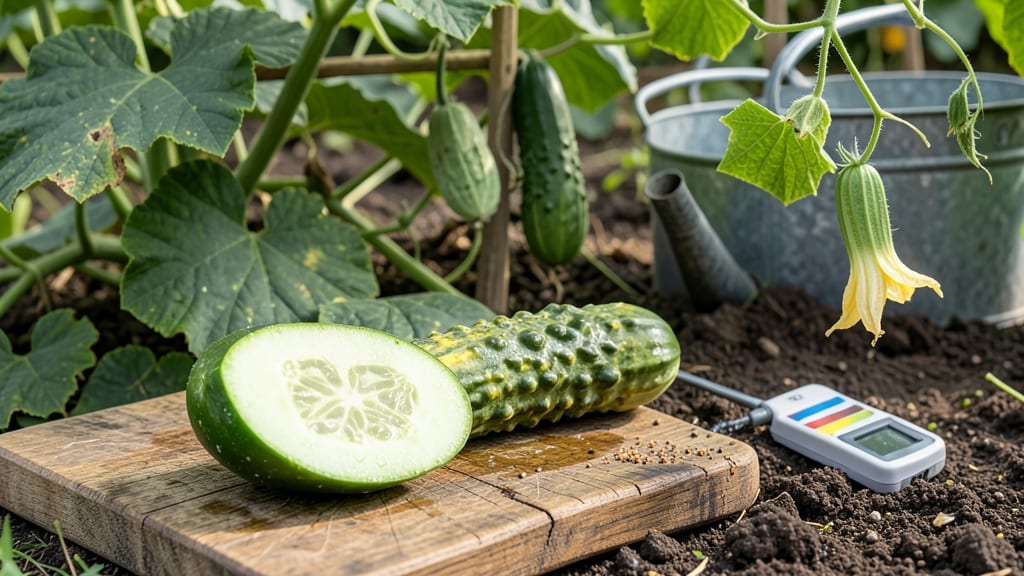
Your garden cucumbers taste bitter because they’re either overripe, stressed, or starved for the right conditions 🥒 — and the fix is simpler than you’d think.
Picture this: you’ve been waiting for those crisp, sweet cucumbers, but the moment you slice one open, it’s bitter as a summer squash.
That disappointment isn’t just bad luck—it’s usually a sign your plants are crying out for help, whether from too much heat, inconsistent water, or a lack of proper care.
In just three days, you can turn that bitterness around by adjusting watering, harvesting at the perfect moment, and tweaking a few key growing habits. No more wasted vines—just juicy, sweet cucumbers ready to eat straight off the vine.
Below, I’ll walk you through the most common causes of bitterness and the exact steps to bring back that garden-fresh flavor—so you can enjoy your harvest without the unpleasant surprise.
5 Common reasons your garden cucumbers taste bitter (and how to fix them)
There's nothing worse than slicing into a homegrown cucumber only to find that sharp, unpleasant bitterness creeping in. This common issue frustrates even experienced gardeners, but the good news? Most causes are easily fixable with simple adjustments.
I've grown cucumbers for over a decade, and I've seen every reason why they turn bitter—from overripeness to nutrient imbalances. Let's tackle the top 5 culprits and how to reverse them fast.
The key to sweet cucumbers lies in understanding their environmental needs. Cucumbers are 95% water and thrive under specific conditions—when those are disrupted, bitterness develops. Whether it's your watering schedule, sunlight exposure, or soil health, small tweaks can make a huge difference.
I'll walk you through each problem and the exact steps to restore that crisp, refreshing flavor you love.
- 1 Overripe cucumbers develop bitterness as they age. Harvest when 6-8 inches long with deep green skin and a slight give when pressed.
- 2 Inconsistent watering causes stress. Water deeply once daily (morning) to maintain 1 inch of moisture in soil—never let it dry out completely.
- 3 Extreme heat stress (above 90°F) triggers bitterness. Provide shade cloth or mulch to regulate soil temperature during heatwaves.
- 4 Nitrogen deficiency leads to poor flavor. Test soil and amend with balanced fertilizer (10-10-10) every 4-6 weeks during growing season.
- 5 Poor pollination causes uneven growth. Hand-pollinate flowers with a small brush or attract bees with companion plants like marigolds.
Let's start with the most common issue: overripeness. Cucumbers are best harvested when they're firm but yield slightly to gentle pressure. Waiting too long for that perfect size can turn your harvest bitter. I once left cucumbers on the vine for 10 days past their prime—result?
A mouthful of bitterness I couldn't salvage. The fix? Check your vines every 2-3 days during peak season and harvest when they reach 6-8 inches.
Your watering habits play a surprisingly big role in flavor. Cucumbers need consistent moisture—never let the soil dry out completely between waterings. I made the mistake of watering only when the leaves wilted, which led to stress and bitter cucumbers.
Now, I use a drip irrigation system set to deliver 1 inch of water daily during hot months. This keeps the roots happy and the flavor sweet.
If your garden is experiencing heatwaves above 90°F, your cucumbers are likely suffering from stress. High temperatures cause cucumbers to produce cucurbitacin, a natural compound that tastes bitter.
To combat this, I install 30% shade cloth over my vines during peak afternoon heat. You can also try mulching with straw to keep roots cool and moisture levels stable.
Don't overlook the importance of nutrient balance in your soil. A deficiency in nitrogen or potassium can lead to poor flavor development. I recommend testing your soil at the start of the season and amending it with a balanced fertilizer (10-10-10).
Apply it every 4-6 weeks during the growing season, but avoid over-fertilizing—too much can actually make the problem worse.
Finally, poor pollination can cause uneven growth and bitterness. If your cucumbers are small, deformed, or bitter, it might be because the flowers weren't properly pollinated. To fix this, I gently brush a small paintbrush against the flowers in the morning to transfer pollen.
You can also plant bee-friendly flowers like marigolds nearby to attract pollinators naturally.
Remember, the key to sweet cucumbers is consistency. Monitor your plants daily, adjust your care based on the season, and don't hesitate to try new methods if something isn't working. With these fixes, you'll be enjoying crisp, sweet cucumbers from your garden in no time.
🥒 Start with one adjustment—like checking harvest times or improving watering—and watch the difference in just a few days!
How to harvest cucumbers at the perfect stage for maximum sweetness
Harvesting cucumbers at the right moment transforms bitter disappointment into crisp, sweet success. The key lies in timing—picking them too early or too late both trigger bitterness. For peak flavor, aim to harvest when cucumbers reach 6-8 inches long and their skin yields slightly to gentle pressure.
This window ensures maximum sweetness while preventing overripeness, which floods plants with cucurbitacin, the compound responsible for that unpleasant bite.
Monitor your vines daily for visual cues that signal readiness. Look for deep, even coloring and a stem that snaps cleanly when bent. Avoid harvesting when the stem end turns yellow—this indicates overmaturity.
Pro tip: Use a thumbnail test—press gently on the cucumber’s skin. If it yields slightly (like a ripe avocado), it’s perfect. If it feels rock-hard or mushy, it’s past its prime.
Here’s a quick visual guide to help you spot the ideal harvest window:
| Harvest Stage | Size | Skin Texture | Stem Color | Flavor Risk |
|---|---|---|---|---|
| Too Early | Under 4 inches | Firm, hard | Green | Seedy, bland |
| Perfect | 6-8 inches | Slightly yielding | Green/yellowing | Sweet, crisp |
| Overripe | 9+ inches | Soft, mushy | Fully yellow | Bitter, seedy |
Consistent harvesting is just as critical as timing. When you pick cucumbers regularly—every 2-3 days—you encourage the vine to produce more fruit. Skipping harvests forces the plant to redirect energy into overproducing, which often leads to stress and bitterness.
Think of it like pruning: the more you remove, the healthier (and sweeter) the remaining cucumbers will be.
Vine health directly impacts flavor, so keep an eye on leaf color and growth patterns. Yellowing leaves or stunted vines signal stress, often from underwatering or nutrient deficiencies. If your cucumbers start tasting bitter mid-season, check your watering routine—uneven moisture triggers cucurbitacin production.
Aim for 1-2 inches of water per week, delivered consistently at the soil base (not the leaves) to prevent fungal issues.
For bush varieties, harvest from the bottom up to avoid shading lower fruits. With vining types, prioritize the largest cucumbers first—they’ll steal resources from smaller ones.
Use sharp pruners or scissors to cut stems cleanly, leaving a small stub. This reduces disease risk and keeps your plants looking tidy while maximizing future yields.
Pro tip: Store harvested cucumbers in the crispest drawer of your fridge (not the veggie bin) to slow ripening. If you’ve already missed the sweet spot, try pickling or fermenting—these methods can mask bitterness while preserving your hard-earned harvest.
With practice, you’ll train your eye to spot the perfect cucumber, turning every harvest into a flavor victory.