
How To
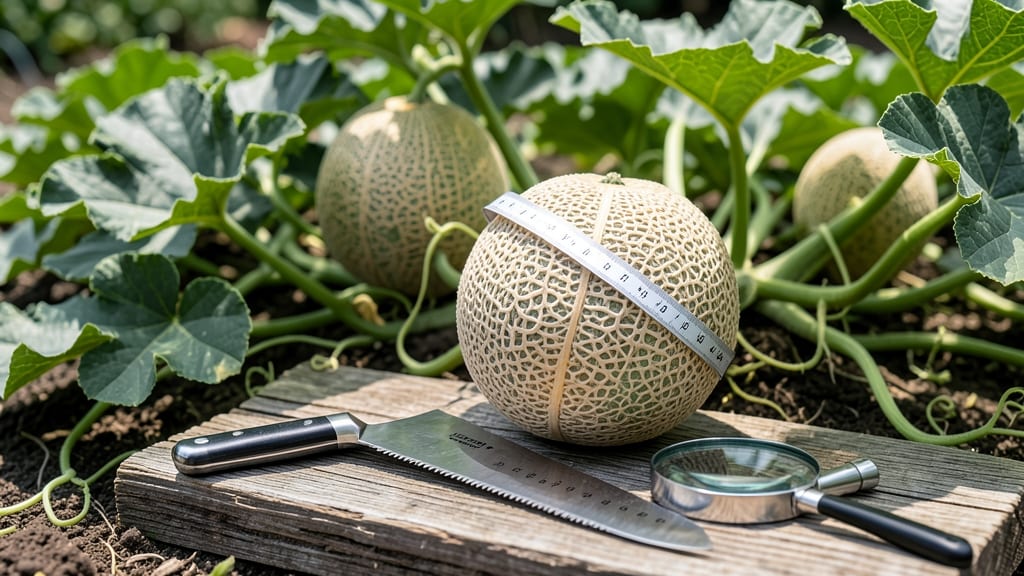
Knowing when to harvest cantaloupe 🍈 means the difference between a sweet, juicy reward and a mealy disappointment—here’s how to get it right every time.
Picture this: you’ve nurtured your cantaloupe plants all season, and now the fruit is swelling on the vine. But how do you know it’s actually ripe? Grab it too early, and you’ll end up with bland, underripe slices.
Leave it too long, and the flavor fades into nothing. The key is spotting the three unmistakable signs that your cantaloupe is ready to pick.
From the creamy blush of the rind to the sweet scent at the stem end, I’ll walk you through the visual, tactile, and aromatic clues that gardeners swear by. You’ll also learn how temperature and variety play a role—because not all cantaloupes ripen on the same schedule.
By the end, you’ll confidently harvest your cantaloupe at peak sweetness, avoiding the common mistakes that turn a great harvest into a garden regret.


3 Visual and physical signs your cantaloupe is perfectly ripe
There's nothing worse than biting into a cantaloupe that's either rock-hard or mushy—both mean you missed the sweet spot of ripeness. The good news? Cantaloupes give you clear visual and physical cues to know exactly when to harvest.
I’ve grown cantaloupes for years, and these three signs never fail me. Once you master them, you’ll never second-guess your harvest again.
First, let’s talk about the color transformation that happens on the rind. A ripe cantaloupe doesn’t just turn any shade of green—it develops a creamy tan or pale yellow hue, especially near the blossom end (the end that sat on the vine).
This change signals the fruit’s sugars have fully developed. If the rind is still white or pale green, it’s not ready yet—even if it looks big.
Here’s how to spot it perfectly:
- 1 Check the blossom end: Look for a creamy tan or pale yellow color where the fruit rested on the vine. Avoid green patches—they mean it’s still immature.
- 2 Twist the stem: Gently grasp the stem between your thumb and forefinger and twist. If it slips off easily, the fruit is ripe. If it resists, wait 1-2 days.
- 3 Perform the thump test: Hold the cantaloupe and give it a firm but gentle thump near the blossom end. A ripe cantaloupe will sound hollow and deep, like knocking on a drum. If it sounds dull, it’s not ready.
The stem separation test is my favorite trick because it’s foolproof. Cantaloupes produce an enzyme called ethylene as they ripen, which weakens the stem’s grip on the fruit. When you twist the stem and it detaches with minimal effort, that’s your green light to harvest.
Pro tip: Do this in the morning when the fruit is cool—it’s easier to judge ripeness then.
Next, let’s talk about the thump test, which might sound silly, but it’s a game-changer. I learned this from an old farmer who swore by it, and I’ve never looked back.
Hold the cantaloupe in one hand and use the other to give it a firm tap near the blossom end. A ripe cantaloupe will produce a deep, resonant thud, almost like a drum.
If it sounds more like a dull thud or a flat noise, the fruit isn’t ready yet.
Don’t overlook the weight and texture either. A ripe cantaloupe feels heavy for its size because the seeds and flesh have fully developed. Gently press the sides—ripe fruit will yield slightly under pressure, like a ripe avocado.
If it feels rock-hard or squishy, it’s not ready. This test is especially useful if you’re unsure about the color or stem.
One mistake I see gardeners make is harvesting based on size alone. Just because a cantaloupe looks big doesn’t mean it’s ripe. I’ve seen cantaloupes the size of softballs that were still hard as a rock inside.
Always combine the color, stem, and thump tests for the most accurate results. If two out of three signs are met, it’s usually safe to harvest.
Environmental factors can also trick you. For example, hot, dry weather can speed up ripening, while cool, cloudy days might slow it down. If you’re in a heatwave, check your cantaloupes every 2-3 days—they might ripen faster than usual.
Conversely, if temperatures drop unexpectedly, give them extra time on the vine.
Once you’ve confirmed ripeness, harvest your cantaloupe by twisting gently at the stem until it separates cleanly. Avoid cutting the stem—it can cause the fruit to spoil faster.
Store ripe cantaloupes at room temperature until fully ripe (if not already), then refrigerate for up to a week to slow down sugar breakdown.
Master these three signs, and you’ll never waste another cantaloupe again. The next time you’re standing in your garden, unsure whether to pick that fruit, just remember: color, stem, and thump are your best friends. Happy harvesting! 🍈
How to test cantaloupe ripeness beyond the basics: advanced techniques
Once you've mastered the basics of checking cantaloupe ripeness—like stem separation and rind color—it's time to level up your skills. Advanced techniques help you pinpoint the perfect moment, especially when dealing with muskmelons or honeydews, which ripen differently.
These methods ensure you avoid the pitfalls of overripe or underripe fruit, giving you the sweetest, most flavorful harvest possible.
Start with a scent analysis, the most underrated ripeness indicator. A fully ripe cantaloupe releases a strong, sweet fragrance near the stem end—almost like a mix of honey and musk. Hold the fruit close to your nose and take a deep sniff.
If you can't detect a sweet aroma, it's not ready yet. This method works especially well for muskmelons, which often have a more pronounced scent compared to honeydews.
Next, pay attention to the vine behavior around your cantaloupe. When the fruit is ready to harvest, the vine will often wilt slightly near the stem attachment point. This is a sign the plant is redirecting energy away from the fruit.
Additionally, the vine may develop a yellowing or drying appearance in that specific area. If you notice these changes, it's a strong indicator that your cantaloupe is nearing peak ripeness.
| Test Method | Muskmelon | Honeydew |
|---|---|---|
| Scent at Stem End | Strong, sweet, musky | Mild, sweet, floral |
| Blossom-End Color | Cream to tan | Pale green to light yellow |
| Vine Behavior | Wilted, drying | Slightly yellowing |
| Blossom-End Test | Gives slightly when pressed | Firm but yields gently |
| Weight for Size | Very heavy | Heavy but balanced |
The blossom-end test is another game-changer for determining cantaloupe ripeness. Gently press the end of the fruit where it was attached to the vine. A ripe cantaloupe will feel slightly soft or give a bit under gentle pressure, almost like pressing a ripe peach.
For muskmelons, this area should also develop a net-like pattern that becomes more pronounced as it ripens. Honeydews, on the other hand, may not show this pattern as clearly but will still soften slightly at the blossom end.
Don't overlook the weight test, which is surprisingly effective. A ripe cantaloupe should feel heavy for its size. Lift the fruit in your hand—if it feels surprisingly dense, it's likely ready. This is especially true for muskmelons, which pack more juice and sweetness when fully ripe.
Compare it to an unripe one, which will feel lighter and less substantial. This method works well in combination with the scent and vine behavior checks for a comprehensive assessment.
Finally, remember that environmental factors like temperature and humidity can influence ripening. In hot, dry conditions, cantaloupes may ripen faster and develop a more intense scent. Conversely, cooler or humid weather can slow ripening and mute the fragrance.
Adjust your expectations accordingly, and don't hesitate to use these advanced techniques to fine-tune your harvest timing. With practice, you'll develop an almost instinctive sense for when your cantaloupes are at their peak.