
How To
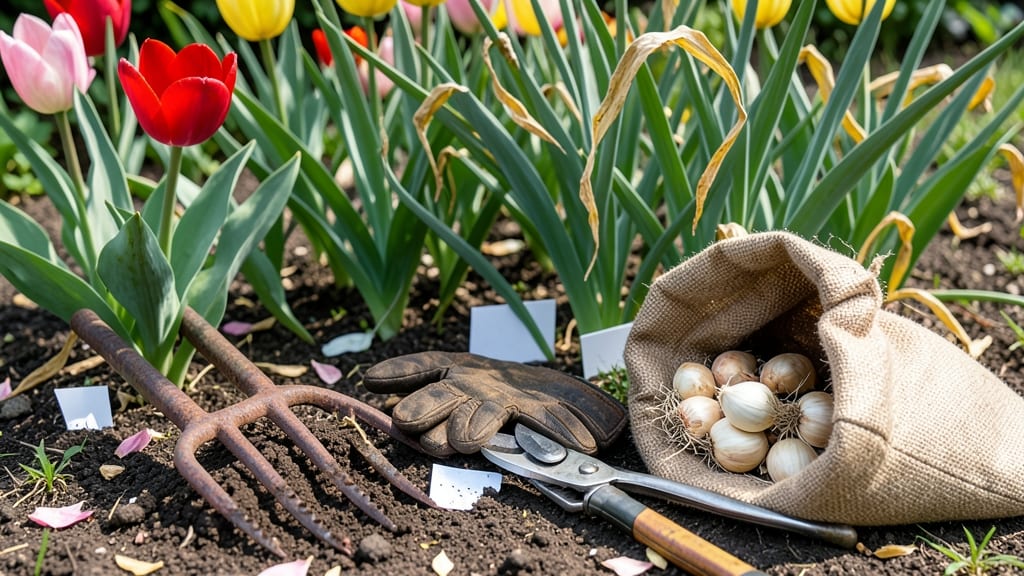
To harvest tulips at their peak—whether for bouquets, forcing, or replanting—timing and technique are everything.
Picture this: you’ve spent months waiting for those 🌷 blooms to burst into color, only to wonder if you’re cutting them too early—or worse, digging up bulbs before they’re ready. The wrong move could mean fewer flowers next spring, or stems that wilt faster than you’d like.
In Zone 6a, the best time to harvest tulip flowers is May to June, once they’ve fully bloomed and the petals start to wilt. But bulbs? Those need to wait until June to July, after the foliage turns brown and crispy.
Get it wrong, and you’ll either miss the sweet spot for arrangements or weaken next year’s blooms.
Below, I’ll walk you through the exact steps—from snipping stems to digging bulbs—plus pro tips to keep your tulips fresh longer and your garden thriving for seasons to come.


When to harvest tulips for maximum longevity and quality
Harvesting tulips at the right time ensures you get the most vibrant blooms or healthy bulbs for replanting. The key is understanding their natural growth cycle—whether you're harvesting flowers for bouquets or bulbs for next season.
Timing varies based on your goal, climate, and whether you're forcing tulips indoors or leaving them outdoors.
For flower harvesting, the best time is when buds are just starting to open but haven't fully bloomed. This stage ensures maximum vase life and prevents wilting.
On the other hand, bulb harvesting requires patience—wait until the foliage has completely yellowed and died back naturally, usually 6-8 weeks after blooming.
| Harvest Type | Optimal Time | Key Signs | Seasonal Timing |
|---|---|---|---|
| Flowers for Bouquets | Early morning, just before buds open | Bud petals slightly separated, stems firm | Late spring (May-June) |
| Bulbs for Replanting | 6-8 weeks after blooming | Foliage brown and crispy, no green growth | Late summer (July-August) |
| Forced Indoor Tulips | Fall (September-October) | Bulbs chilled for 12-16 weeks | Early spring (March-April) |
Climate plays a crucial role in determining the best harvest window. In cooler climates (USDA Zones 3-5), tulip foliage may take longer to die back, so delay bulb harvesting until mid-to-late summer.
Meanwhile, in warmer zones (6-8), foliage dries out faster, meaning you might harvest bulbs as early as June.
If you're growing tulips for indoor forcing, timing is everything. Start by planting bulbs in fall (September-November) and refrigerate them for 12-16 weeks to simulate winter. Once buds form, move them to a bright, cool spot indoors. Harvest flowers when buds are half-open for the longest vase life.
For outdoor forcing, like in garden beds, wait until tulips have fully bloomed and the petals have wilted completely. Cutting stems at this stage ensures the bulb stores energy for next year’s growth. Avoid harvesting bulbs too early—they need time to replenish nutrients through the foliage.
One common mistake is harvesting tulip bulbs too soon after blooming. This weakens the bulb and can reduce—or even eliminate—next year’s flowers. Always let the foliage die back naturally before digging.
For bulbs, use a fork or trowel to gently lift them from the soil, being careful not to damage the outer layers.
Seasonal timing also affects how you store harvested tulips. For flowers, trim stems at an angle and place them in cool water immediately. Change the water every 2-3 days to extend their life.
For bulbs, cure them in a dry, shaded area for 1-2 weeks before storing in a cool, dark place with good airflow.
In humid climates, be extra vigilant about fungal diseases when harvesting. Avoid working with tulips during rainy periods, as wet foliage can promote rot. If you notice any signs of disease, such as yellowing leaves or mold, remove affected plants immediately and disinfect your tools.
Finally, remember that harvesting tulip flowers doesn’t harm the bulb—it actually encourages the plant to focus energy on bulb development. However, if you harvest too many stems, the bulb may produce fewer blooms next season.
Balance is key: enjoy your bouquets while ensuring the plant has enough foliage to thrive.
Step-by-step tulip harvesting techniques for different uses
Harvesting tulips can feel intimidating, but the right method ensures you preserve their beauty for bouquets, seed collection, or replanting. Whether you're cutting fresh blooms or digging bulbs for next season, timing and technique matter most.
I’ll walk you through both approaches, so you can enjoy tulips in vases or gardens for years to come.
Your goal determines the harvesting method: cutting stems for bouquets requires gentle handling, while digging bulbs needs precision to avoid damage. Both methods share essential tools like sharp pruners, gloves, and a bucket of water.
For delicate tulip stems, always cut at a 45-degree angle to maximize water uptake and vase life.
- 1 Choose the right time: Cut fully bloomed tulips in the morning for longest vase life. Dig bulbs after foliage yellows (6-8 weeks post-bloom).
- 2 Gather tools: Use sharp pruners (for stems), a trowel (for bulbs), gloves, and a cool storage bucket filled with water.
- 3 Cut stems correctly: Snip 2-3 inches above the base at a 45-degree angle. Remove lower leaves to fit snugly in vases.
- 4 Dig bulbs carefully: Loosen soil with a trowel, then lift bulbs by their base (never the stem). Shake off dirt gently.
- 5 Store properly: Place cut stems in cool water (50°F) and change water daily. Cure bulbs in a dry, shaded spot for 2 weeks before storing.
For bouquet tulips, always harvest in the morning hours when stems are hydrated. Trim stems underwater to prevent air bubbles that block water flow. Place them in a bucket of lukewarm water immediately—this extends vase life by up to 5-7 days.
Avoid overcrowding stems in vases, as this reduces airflow and shortens freshness.
If you're harvesting tulip bulbs for replanting, wait until the foliage turns brown and crispy—this signals the bulb has stored enough energy for next year. Dig bulbs on a dry, sunny day to allow them to dry quickly.
Store them in a mesh bag in a cool, dark place (like a basement) until fall planting.
Post-harvest care is key to preserving tulips. For cut flowers, recut stems every 2-3 days and replace vase water to prevent bacterial growth. For bulbs, inspect for pests before storing and discard any that feel soft or moldy.
With proper care, your harvested tulips will reward you with vibrant blooms for seasons to come.
Remember, overharvesting weakens tulip plants. Limit cutting to 1/3 of stems per plant to ensure healthy regrowth. If you’re collecting seeds, wait until the seed pods turn brown before harvesting—this ensures maximum viability.