
How To
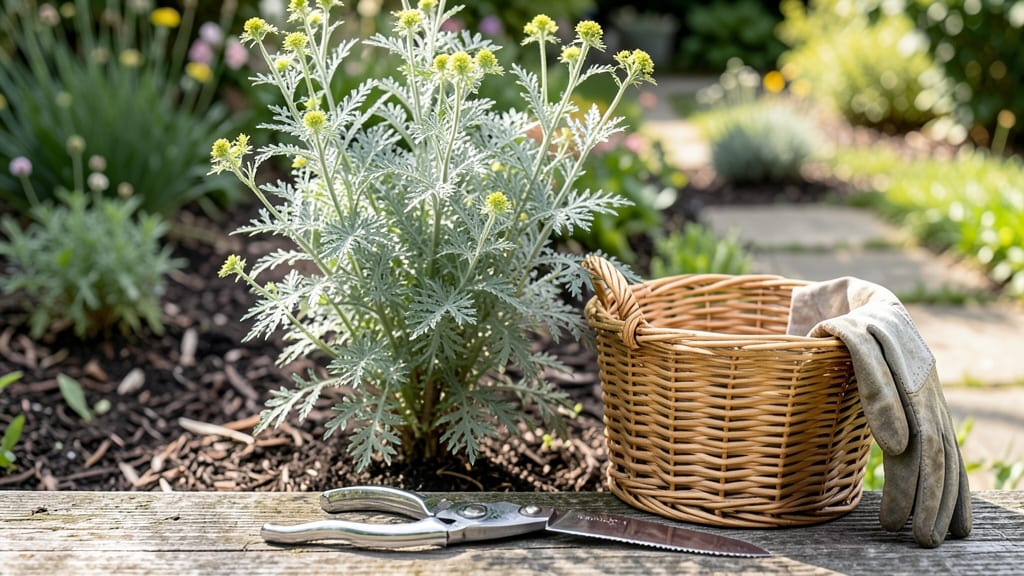
To harvest wormwood at its peak potency, time your cuts just before flowering when the leaves are deep green and fragrant 🌿 — the difference between a bitter disappointment and a harvest worth saving.
Wormwood isn’t just a hardy perennial—it’s a medicinal powerhouse, but harvesting it wrong can ruin its potency. Whether you’re growing it for tea, tinctures, or seasoning, timing and technique are everything. One wrong snip and you could lose flavor or even medicinal benefits.
You’ll need sharp pruning shears, a sunny day, and a plan to preserve what you pick. Below, I’ll walk you through the best months to harvest, how to cut without harming the plant, and the drying methods that lock in flavor for months.
Ready to turn your wormwood into a year-round resource? Let’s dive into the step-by-step guide that keeps your plants thriving and your harvests potent.


When to harvest wormwood for maximum potency and flavor
Harvesting wormwood at the right time ensures you capture its peak potency and flavor intensity. Unlike many herbs, wormwood’s medicinal compounds and aromatic oils reach their maximum concentration during specific growth stages.
Missing these windows means weaker tea blends, less effective remedies, or even bitter-tasting leaves. The key lies in understanding when to harvest for leaves versus flowering tops, as each serves different purposes.
For culinary and medicinal use, I always prioritize harvesting young leaves before the plant flowers. This is when the essential oils responsible for wormwood’s signature bitterness and therapeutic properties are most concentrated.
If you’re growing wormwood for dried botanicals or homemade absinthe, timing becomes even more critical—harvesting too late can turn your harvest into a woody, flavorless mess.
Climate plays a massive role in harvest timing. In temperate zones like USDA Zone 6a, the best window is typically mid-summer (July-August), while tropical regions may see multiple harvest cycles year-round. Arid climates often require earlier harvesting to avoid heat stress.
Below, I’ve broken down the optimal harvest windows by growth stage and climate to help you plan your wormwood harvest like a pro.
| Harvest Stage | Best Time (Temperate) | Best Time (Tropical) | Best Time (Arid) | Key Visual Cues |
|---|---|---|---|---|
| Early Leaf Growth | May-June (after 12" height) | Year-round (spring peak) | April-May (before heat stress) | Deep green, aromatic leaves, flexible stems |
| Pre-Flowering | July-August (peak potency) | June-September (multiple cuts) | June-July (early flowering) | Woody but flexible stems, slowing top growth |
| Flowering Stage | September (last resort) | October-November (late harvest) | August (if drought-stressed) | Yellow flower buds, hardened stems, reduced potency |
Identifying peak potency in wormwood involves more than just checking a calendar. The leaves should be deep green and emit a strong, piney aroma when crushed—a telltale sign of high thujone content. If the leaves smell faint or woody, it’s past its prime.
For stems, look for slight woody texture but still flexible enough to snap cleanly. Overly hard stems indicate the plant is past its harvest window.
In temperate climates, I always aim to harvest wormwood before the first frost threat (typically late September in Zone 6a). This ensures the plant has enough energy to regrow next season. Tropical growers can extend harvests year-round but should avoid heavy rains, which dilute essential oils.
Meanwhile, arid region gardeners must harvest earlier to prevent heat damage, often in late spring before temperatures soar.
One common mistake is assuming all parts of the wormwood plant are equally potent. The youngest leaves near the top of the plant contain the highest concentration of medicinal compounds. Older leaves and stems have more woody fibers and fewer active compounds.
If you’re growing wormwood for tea blends, focus on the upper third of the plant. For dried botanicals, include a few middle stems for structure, but avoid the woody base.
Seasonal adjustments are crucial. In cooler climates, wormwood grows slower, so harvest timing shifts later. In warmer zones, the plant matures faster, requiring earlier cuts. I’ve found that morning harvests yield the freshest leaves, as dew accumulation can dilute essential oils.
Always harvest on dry, sunny days to prevent mold and preserve potency.
For first-time growers, I recommend marking your calendar 60-90 days after planting as your initial harvest window. This aligns with wormwood’s ideal growth stage for maximum alkaloid production.
After the first harvest, the plant typically regrows enough for a second cut 4-6 weeks later, provided you’ve maintained proper soil drainage and sun exposure. Over-harvesting can stress the plant, reducing future yields.
Pro tip: If you’re unsure about harvest timing, pinch a few leaves and crush them between your fingers. The stronger the aromatic scent, the higher the potency. Weak or musty smells mean it’s time to wait or switch to a different plant.
With practice, you’ll develop a keen sense for when your wormwood is ready to harvest.
Step-by-step leaf-picking techniques to preserve wormwood’s medicinal properties
Harvesting wormwood leaves correctly ensures you preserve their medicinal properties and essential oils—key for teas, tinctures, or culinary uses. The wrong technique can leave your plant stressed, invite fungal diseases, or strip away the potent compounds you’re after.
I’ve learned that pruning tools and hand-picking each have their place, depending on the plant’s size and your harvest goals.
Start by choosing the right cutting tools. For young plants or delicate leaves, your fingers work best—just pinch off the leaves just above a leaf node to encourage regrowth.
For larger stems or mature plants, a sharp pruning shears or clean scissors prevents crushing the stems, which can bruise the plant and invite mildew. Always sterilize your tools with rubbing alcohol to avoid spreading disease.
Step-by-Step Guide to Harvesting Wormwood
- Step 1: Choose the right time of day—morning after dew dries ensures leaves are dry and essential oils are at peak concentration.
- Step 2: Select healthy leaves—avoid yellowing or diseased foliage. Focus on middle-aged leaves (not the newest growth) for maximum potency.
- Step 3: Use the pinch-and-pull method for small leaves or clean cuts with shears for stems. Cut at a 45-degree angle to increase surface area for faster drying.
- Step 4: Leave lower leaves on the plant to protect the root system and encourage sustainable regrowth. Never harvest more than one-third of the plant at once.
- Step 5: Shake off excess dirt or insects gently. Avoid washing leaves, as moisture can dilute essential oils and promote mold.
- Step 6: Bundle stems with twine or rubber bands and hang upside down in a dark, dry, well-ventilated space (like a dehydrator or hanging rack) for 1-2 weeks until crisp.
When drying wormwood, you’ve got two main options: air-drying or using a dehydrator. Air-drying is the traditional method and works well if you have a cool, dark space with good airflow. Hang bundles from the ceiling or use a screen drying rack to prevent mildew.
A dehydrator speeds up the process (usually 4-6 hours at 95°F) but requires monitoring to avoid burning the leaves.
After drying, store your wormwood in airtight glass jars away from light and heat. Label with the harvest date—properly stored leaves retain their potency for up to 1 year.
If you notice dampness or mold during storage, discard the batch immediately to avoid contamination. For medicinal use, always prioritize organic wormwood grown without pesticides.
To keep your wormwood plant thriving for future harvests, avoid over-pruning in the same spot. Rotate your cuts around the plant to encourage even regrowth. In USDA Zone 6a, wormwood is perennial, so you can harvest lightly for 3-4 years before considering division or replanting.
Mulch around the base with straw or wood chips to protect roots and retain moisture during dry spells.
Remember, the key to preserving wormwood’s medicinal properties lies in gentle handling, proper drying, and sustainable harvesting. With these techniques, you’ll enjoy a bountiful harvest year after year without compromising the plant’s health or potency. Happy harvesting! 🌿