
How To
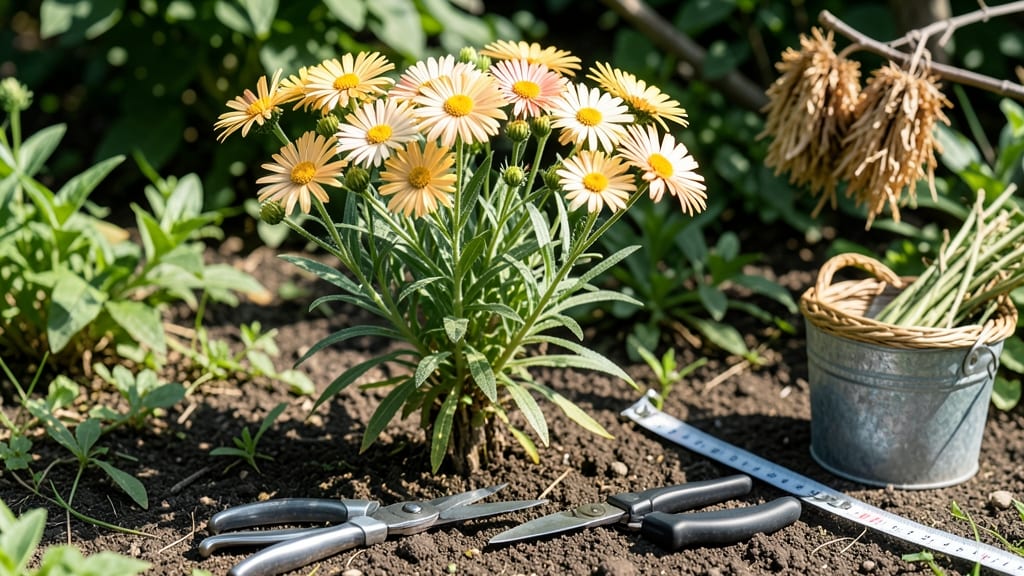
Harvesting strawflowers at the right time 🌼 ensures bouquets that last weeks instead of days—here’s the exact moment to pick for maximum vibrancy and longevity.
Strawflowers aren’t just beautiful—they’re also one of the longest-lasting cut flowers when harvested at the perfect time. But knowing exactly when to pick them can mean the difference between wilting bouquets and vibrant arrangements that last for weeks.
Look for fully open petals that are dry to the touch and a stem that snaps cleanly when bent—a five-second test that guarantees peak freshness. In USDA Zone 6a, this usually falls between July and September, but timing shifts slightly depending on your local climate.
Below, I’ll break down the three color stages of strawflower blooms, the best time of day to harvest (morning, always), and how to dry them for arrangements that stay stunning for months.


Strawflower harvesting by color: the 3 key stages for peak bloom life
Strawflowers reveal their harvesting secrets through color changes, and timing these stages correctly can extend vase life from 7 days to 3+ weeks. The petal color isn’t just about aesthetics—it signals ethylene sensitivity and longevity. Let’s break down the three critical stages and how each impacts your bouquets.
First, the bud stage (closed buds) is the least ideal for cutting, but understanding why helps avoid wasted effort. At this point, the flower’s ethylene production is minimal, meaning premature harvests won’t trigger wilting.
However, buds harvested too early often fail to fully open in arrangements, leaving you with half-bloomed stems.
The semi-open stage (petals just beginning to unfurl) is where gardeners often make mistakes. This is the sweet spot for dried arrangements—petals are crisp but not yet fully hardened. For fresh bouquets, though, this stage risks shorter vase life because the flower continues maturing post-harvest, accelerating ethylene release.
Here’s the comparison table breaking down each stage’s harvest timing, vase life, and best uses:
| Stage | Petal Color | Best Harvest Time | Vase Life (Fresh) | Best Use | Ethylene Sensitivity |
|---|---|---|---|---|---|
| Bud Stage | Closed buds | Not ideal (unless drying) | 3–5 days | Drying only | Low (minimal ethylene) |
| Semi-Open Stage | Partially unfurled | Morning, before heat | 10–14 days | Fresh or dried | Moderate (rising ethylene) |
| Fully Open Stage | Bright, crisp petals | Early morning | 21–28+ days | Fresh bouquets | High (peak ethylene) |
The fully open stage is prime for fresh arrangements, where petals are papery and fully colored. Harvesting at this point maximizes vase life because the flower’s ethylene production peaks just before natural senescence.
Cut stems just as the sun rises—this is when starch-to-sugar conversion is highest, giving flowers their longest life.
Regional climate plays a role too. In hotter zones (8+), strawflowers mature faster, so monitor petal crispness daily. A quick stem snap test (bend the stem—it should snap cleanly at the fully open stage) confirms readiness. Over-mature flowers (drooping petals) signal ethylene overload and shorter vase life.
For dried arrangements, harvest at the semi-open stage to preserve color and shape. Hang stems upside down in a dark, dry space for 2–3 weeks—this slows ethylene effects and locks in hues.
Fresh bouquets, however, thrive when harvested fully open and placed in cool water with flower food immediately.
Pro tip: Avoid harvesting after midday heat, as this stresses stems and shortens vase life. Early morning cuts (before 9 AM) ensure stems are hydrated and ethylene levels are lowest. This small adjustment can add 5–7 extra days to your bouquets.
Ethylene sensitivity is the hidden enemy of long-lasting strawflowers. Once harvested, flowers release this gas naturally, accelerating wilting. By picking at the fully open stage, you minimize post-harvest ethylene exposure, giving your arrangements the best fighting chance against premature aging.
Experiment with your local climate—some regions see longer vase life in cooler months due to slower ethylene production. Keep notes on what works best for your garden, and soon you’ll have strawflowers that outlast any other cut flower.
How to test strawflower readiness: the 5-Second stem snap method
Harvesting strawflowers at the right moment ensures they last for weeks in arrangements, but many gardeners struggle to identify the perfect time. The 5-second stem snap method is my go-to trick for testing maturity—it’s faster than checking petal colors and far more reliable than guessing.
This simple technique helps you avoid both underripe flowers that wilt quickly and overripe blooms that lose their vibrancy.
Before you grab your pruners, focus on three key indicators: stem firmness, petal texture, and the flower head’s angle. The stem snap test alone can save you from cutting flowers too early, but combining it with these other cues ensures you’re harvesting at peak condition.
Let’s break down the foolproof steps to test readiness without missing the window.
- 1 Gently grasp the stem about 2 inches below the flower head. Use your thumb and forefinger to apply light pressure—just enough to feel resistance, not crush it.
- 2 Bend the stem sideways with a smooth motion. If it snaps cleanly within 5 seconds, the flower is ready. A mature stem will break with a crisp sound, not bend or tear.
- 3 Check petal texture. Run your fingertip over the outer petals. Ready flowers feel dry and papery, like crumpled tissue paper. If they’re still moist or soft, wait 1–2 days.
- 4 Assess the flower head angle. Mature strawflowers tilt slightly downward at the edges, signaling they’ve reached full maturity. Upright or fully closed buds aren’t ready yet.
- 5 Harvest in the morning. Cut stems at a 45-degree angle with clean pruners, leaving 1–2 inches of stem attached. This timing maximizes vase life by reducing stress on the flower.
Avoid these common mistakes that throw off harvest timing: harvesting when stems are still flexible (they’ll bend, not snap) or waiting until petals start yellowing. Overripe flowers lose their vibrant color and become brittle, ruining your arrangements.
I’ve learned the hard way—once I waited too long, and my deep purple strawflowers turned dull brown within days.
Pro tip: If you’re harvesting for dried arrangements, pick flowers when they’re fully open but not yet wilting. For fresh bouquets, aim for the peak color stage—when petals are brightest and stems snap crisply. Timing is everything, and these cues will help you nail it every time.
Once you master the 5-second snap test, you’ll never second-guess when to harvest strawflowers again. The difference between 3-day and 3-week vase life starts with this simple technique. Give it a try on your next batch—your future bouquets will thank you!