
How To
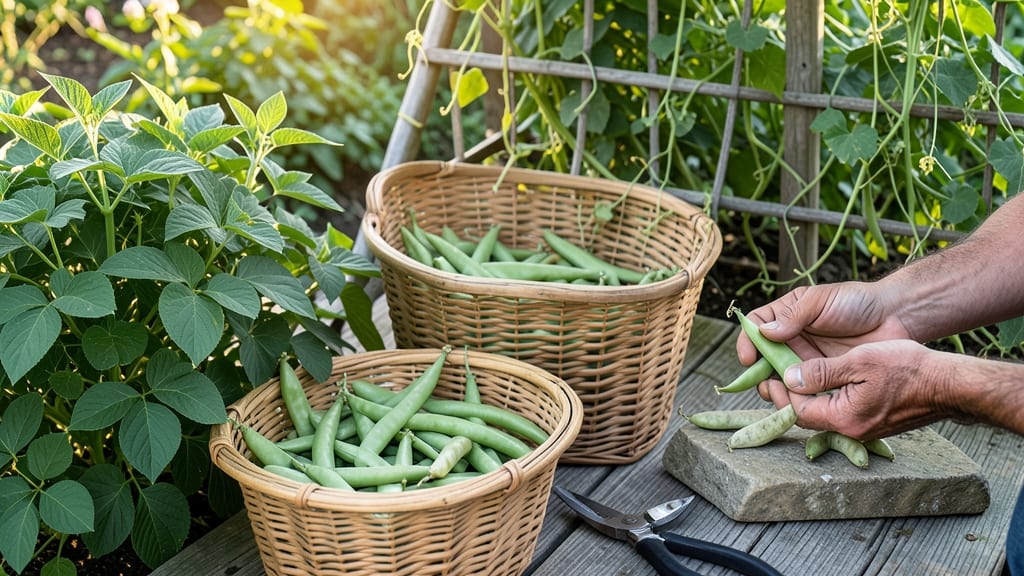
To harvest string beans at their peak flavor, focus on timing and technique—picking them when pods are tender and firm ensures the sweetest, most satisfying harvest.
Picture this: you step into your garden, snip a pod, and bite into a string bean so crisp and sweet it tastes like summer in every bite. But miss that window, and you’re left with tough, woody pods that even the best recipe can’t save.
The difference between garden-fresh perfection and disappointment comes down to knowing exactly when—and how—to harvest.
String beans 🌱 thrive when you pick them regularly, but not all pods are ready at once. The key is spotting three simple visual cues: pods that are 4-6 inches long, firm to the touch, and a vibrant green color.
These signs mean your beans are at their sweetest, packed with flavor, and ready to be turned into your next meal.
In this guide, I’ll walk you through the step-by-step process—from the best time of day to harvest to how to handle your plants so they keep producing.
You’ll also learn how to avoid common mistakes that waste your hard work and maximize your yield so your garden stays productive all season long.


3 Visual cues to identify perfectly ripe string beans
Harvesting string beans at the right moment ensures maximum flavor and tenderness. Unlike many vegetables, string beans don't ripen after picking, so timing is everything. The key lies in three visual cues that reveal when pods are at their peak—before they become tough or fibrous.
I’ve learned these tricks through years of trial and error in my own garden, and they’ll help you avoid the disappointment of overripe beans.
First, pay attention to pod length. This is the most straightforward indicator of readiness. When pods reach 4 to 6 inches long, they’re typically at their sweetest and most tender. Shorter pods (under 4 inches) are still developing, while longer ones start to toughen up.
Measure a few pods to get a sense of consistency across your plants—this ensures you’re harvesting at the same stage for uniform flavor.
Next, examine the color and texture of the pods. Mature string beans should have a vibrant, even color—whether green, purple, or another variety-specific hue. Dull or patchy coloring signals underripe or stressed beans. Gently squeeze a pod between your fingers; it should feel firm but not hard.
If it’s mushy or squishy, it’s past its prime. Overripe pods often develop a waxy coating or feel slightly leathery.
Finally, check the seed development inside the pods. At the perfect harvest time, seeds should be small and barely visible through the pod’s skin. If you can see large, plump seeds or feel them pressing against the pod walls, the beans have passed their prime.
This is a clear sign to harvest sooner next time. Remember, the goal is to pick beans when they’re tender and juicy, not when they’re fully mature.
| Stage | Pod Length | Color & Texture | Seed Development | Harvest Action |
|---|---|---|---|---|
| Early Stage | Under 4 inches | Pale or uneven | Not visible | Wait 2-3 days |
| Perfect Stage | 4-6 inches | Vibrant, firm | Small, barely visible | Harvest immediately |
| Overripe Stage | Over 6 inches | Dull, waxy | Large, visible | Use for cooking only |
One mistake I used to make was harvesting based solely on calendar days after planting. While string beans typically mature in 60 to 70 days, environmental factors like temperature and sunlight can shift this timeline.
Always prioritize the visual cues over a rigid schedule. For example, cooler weather may slow pod development, while hotter conditions can speed it up. Adjust your harvesting frequency accordingly to keep up with the plants.
Pro tip: Harvest string beans every 2 to 3 days during peak production. This encourages the plant to produce more pods by preventing overripening. I’ve found that morning harvests work best because the pods are cooler and firmer after a night’s rest.
Avoid harvesting when the plants are wet or in the heat of the day, as this can damage the pods or stress the plants. A sharp pair of pruning shears or scissors makes the job cleaner and faster than pulling by hand.
If you’re growing multiple varieties, like both green and purple beans, pay attention to their specific maturity rates. Some varieties may ripen slightly earlier or later than others. Keep a small notebook in your garden to track which plants produce the most consistently ripe pods.
Over time, you’ll develop a keen eye for spotting the perfect pods among your plants. This practice has saved me from wasting time on underripe or overripe beans in the past.
Finally, don’t overlook the plant’s overall health when deciding what to harvest. If the vines look stressed, yellowing, or overcrowded, prioritize harvesting to reduce strain. Healthy plants will reward you with a longer harvest season.
I once let my string beans go unharvested for a week during a heatwave, and the plants nearly collapsed from the stress. Since then, I’ve made it a rule to check my beans daily during peak season to avoid similar mishaps.
Mastering these visual cues will turn your string bean harvest from a haphazard guess into a precise, rewarding process. The difference in flavor between a perfectly ripe pod and an overripe one is night and day—crisp, sweet, and bursting with freshness versus tough and bland.
With practice, you’ll develop an instinct for knowing exactly when to pick, ensuring your garden always delivers the best-tasting beans possible.
Step-by-step harvesting technique for maximum yield
Harvesting string beans at the right time isn't just about picking pods—it's about encouraging your plants to produce more delicious beans for weeks. The key lies in timing, technique, and tools.
I've learned that harvesting in the morning (when pods are crisp) and using the right tools can double your yield. Plus, handling plants gently prevents stress and keeps them productive.
String beans are ready when pods reach 4-6 inches long, feel firm but not hard, and have a vibrant color. If you wait too long, the pods toughen up, and the plant's energy shifts to seed production instead of new pods.
I always check for these signs before grabbing my harvesting tools—usually a pair of sharp pruning shears or a small knife.
How to Harvest String Beans for Maximum Yield
- 1 Pick in the morning (before 10 AM) when pods are crisp and full of moisture for the best flavor and texture.
- 2 Use clean tools—sharp pruning shears or a knife—to cut pods just above the leaf node without damaging the plant.
- 3 Harvest every 2-3 days to encourage continuous pod production. Overripe pods signal the plant to focus on seeds instead.
- 4 Avoid tugging pods—this can uproot tender plants. Always cut cleanly to minimize stress and encourage regrowth.
- 5 Store harvested beans in the fridge for up to 5 days or freeze them for long-term use to preserve freshness.
One mistake I made early on was harvesting too infrequently. When I waited a week between pickings, the pods became tough and the plant slowed down production. Now, I make it a habit to check my string beans every 2-3 days during peak season.
This keeps the plant focused on producing new pods instead of maturing old ones.
For bush varieties, I use a small basket to collect pods directly from the plant, while for pole beans, I work my way up the trellis with a sharp knife. Always wear gardening gloves to protect your hands from thorns on some varieties.
After harvesting, I rinse the pods gently and store them in a perforated bag in the fridge to maintain crispness.
Pro tip: If your string beans start producing fewer pods, it might be time to fertilize lightly with a balanced 10-10-10 mix. This gives them a quick boost without overwhelming the plant.
I’ve found that consistent care—like regular harvesting, proper watering, and occasional feeding—keeps my string beans producing well into late summer.
With these techniques, you’ll enjoy a steady supply of tender, flavorful string beans all season long. The key is staying consistent and paying attention to your plants’ signals. Happy harvesting! 🌱