
How To
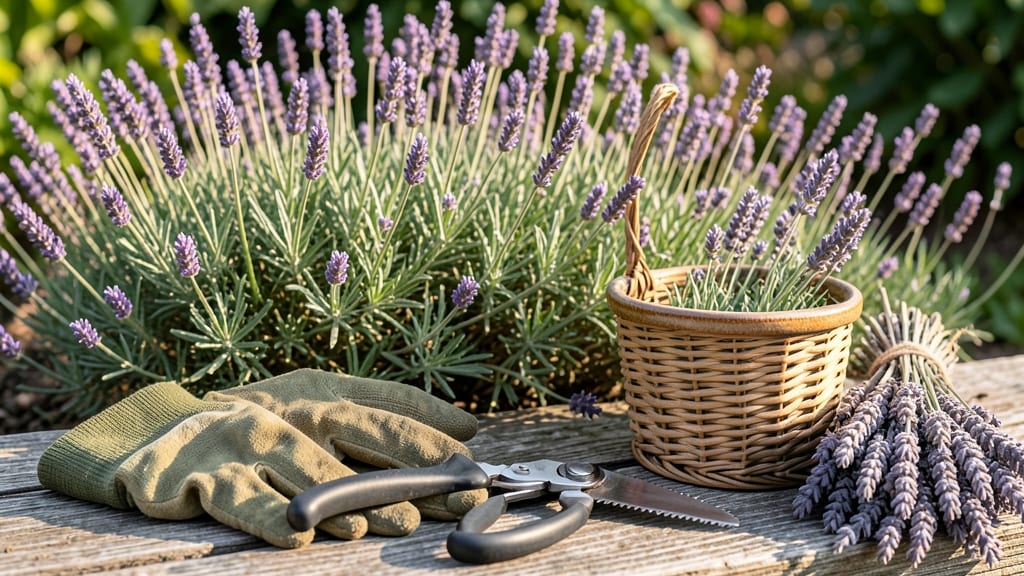
To harvest Spanish lavender at its most fragrant 🌿, you’ll need to time the cut just right—before the buds fully open but after they’ve swollen to peak potency.
Spanish lavender’s signature aroma fades fast once the flowers burst wide open, so missing this window means weaker fragrance and shorter shelf life. The stalk twist test is your secret weapon: a slight bend should snap cleanly, not bend back.
If it resists, wait a few days—if it crumbles, you’ve waited too long.
This guide breaks down the exact stages to watch for, from plump buds to vibrant blooms, and how to cut stems for drying without losing a drop of that signature scent. Whether you’re bundling for sachets or saving for homemade lavender oil, these steps keep your harvest potent for months.
You’ll also learn how to avoid common mistakes—like harvesting in humidity—that turn your dried lavender into a sad, colorless shadow of its former self. Let’s get started.


When and how to test Spanish lavender stems for perfect harvest timing
Harvesting Spanish lavender at the wrong stage means losing that signature floral aroma and vibrant purple hues. The stalk twist test is my go-to method to determine peak harvest time—it’s simple, foolproof, and saves you from overripe blooms that crumble when dried.
This technique works best when combined with visual cues about flower bud development and seasonal timing tailored to your USDA zone.
Spanish lavender thrives in USDA zones 7-10, with harvest windows stretching from late June through September. In Zone 7, aim for July harvests when daytime temps hit 75°F+, while Zones 8-10 can extend harvesting into early October.
The key is catching those buds just before they fully open—this ensures maximum essential oil potency and longer shelf life for dried bundles.
Before grabbing your pruners, perform the stalk twist test to confirm readiness. Gently grasp a woody stem near the base and twist it 45 degrees. If the stem snaps cleanly (not bends or tears), it’s ready for harvest.
A flexible, green stem means wait 5-7 more days—overharvesting stresses the plant and reduces next year’s yield. This test works best on mature stems (at least 12 inches tall).
Timing is everything when it comes to Spanish lavender blooms. Harvest too early, and the oil glands in the buds aren’t fully developed—resulting in weak fragrance. Harvest too late, and the petals turn brown, crumble when dried, and lose their vibrant purple hue.
Aim for buds that are swollen but not yet open, with just a hint of color showing at the tips. This stage guarantees the strongest aroma and longest vase life.
Seasonal timing varies by zone. In Zone 7, your first harvest should happen in mid-July when daytime temps consistently reach 80°F+. For Zones 8-10, you can start as early as late June and extend into September.
Pay attention to local frost dates: Spanish lavender is frost-sensitive, so harvest before the first 32°F night to protect your plants. If frost threatens, harvest all remaining stems and dry them indoors.
One common mistake I see is harvesting fully open flowers for immediate use in arrangements. While these look beautiful in bouquets, they lose 30-40% of their fragrance when dried. For dried lavender bundles, always prioritize pre-bloom buds.
Another pitfall is cutting stems too short, which stunts future growth. Always leave at least 2-3 inches of stem above new leaves to encourage regrowth and next year’s blooms.
Pro tip: Bundle stems into 5-7 stem groups and hang them upside down in a well-ventilated, dark space (like a garage or shed) for 2-3 weeks. This method preserves color and scent better than air-drying on racks.
If you’re in high-humidity zones (like Zone 10), consider using a dehumidifier or silica gel packets to prevent mold. Always store dried lavender in airtight containers away from direct sunlight.
After your first harvest, your Spanish lavender should rebloom in 6-8 weeks if given proper care. Prune back 1/3 of the plant after the first harvest to encourage bushier growth and more stems for next season.
Avoid heavy nitrogen fertilizers post-harvest—they promote leafy growth at the expense of flowering. Instead, use a low-nitrogen, high-phosphorus fertilizer (like 5-10-10) to support bloom production.
Remember, the
Best practices for cutting and handling Spanish lavender to preserve aroma
Once you've identified your Spanish lavender as ready for harvest, the next critical step is cutting and handling to lock in that signature aroma. A sharp, clean cut at the right angle prevents damage to the plant and preserves the essential oils that make lavender so fragrant.
I always use bypass pruners or a clean knife to avoid crushing stems, which can release bitter compounds and dull the scent.
Timing matters too—harvest on a dry, sunny morning when the essential oils are at their peak. Avoid cutting after rain or late in the day, as moisture can encourage mold during drying.
I like to harvest every 4-6 weeks during peak bloom to encourage bushier growth and more abundant flowers next season.
Pros & Cons of Harvesting Spanish Lavender
✅ Pros
- ✂️ Clean cuts prevent plant damage
- Morning harvests preserve essential oils
- Bundle sizes of 10-15 stems dry evenly
- Hanging bundles retain aroma longer
- Microwave drying speeds up process
❌ Cons
- Dull tools crush stems, reducing fragrance
- Late-day cuts risk mold during drying
- Overcrowded bundles dry unevenly
- Humid air-drying weakens scent retention
- Microwave overuse can scorch delicate buds
After cutting, I bundle the stems with twine or rubber bands in groups of 10-15 stems per bunch. This size ensures even airflow during drying while maintaining structural integrity.
For hanging bundles, I tie them upside-down in small groups to a dry, dark, well-ventilated space like a closet or pantry. The upside-down position prevents stem breakage and allows moisture to escape efficiently.
For those short on time, microwave drying is a quick alternative. Place stems in a single layer on a paper towel in the microwave for 1-2 minutes on low power. This method preserves 60-70% of the aroma compared to traditional air-drying, but it’s best for small batches.
I avoid this for large harvests, as it can unevenly dry the stems and reduce longevity.
Once dried, store your lavender in airtight containers away from light and humidity. Properly handled and dried Spanish lavender can retain its aroma for 1-2 years, making it perfect for sachets, potpourri, or homemade crafts. The key is patience—rushing the drying process sacrifices both scent and color.
Remember, the first harvest sets the tone for future yields. By mastering these techniques, you’ll enjoy fragrant, vibrant lavender year after year without compromising plant health or aroma potency. Happy harvesting! 🌿✂️