
Flowers
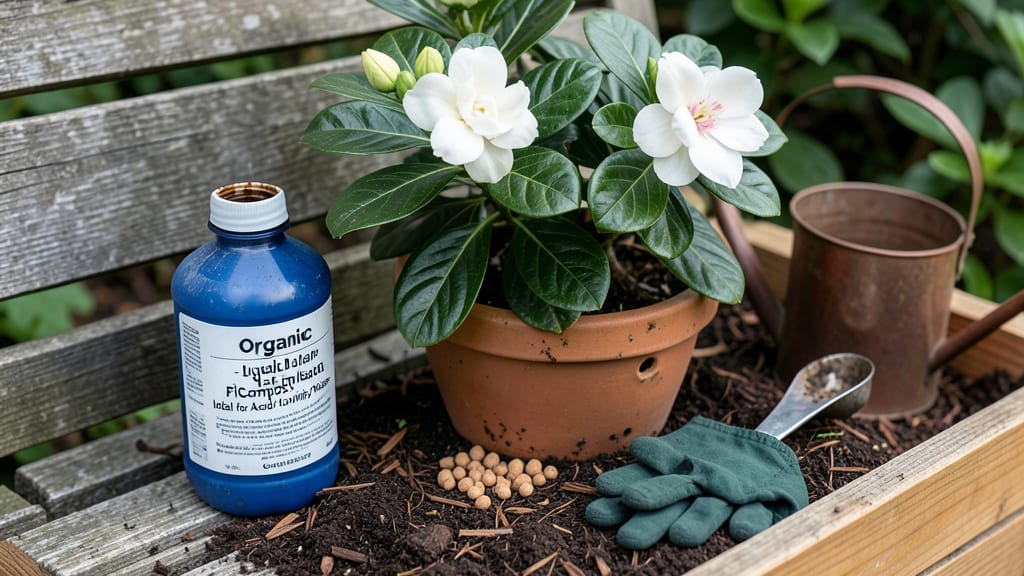
The right gardenia flower fertilizer is the fastest way to unlock their legendary fragrance and lush blooms.
Struggling to get your gardenia 🌸 to burst into fragrant life? The secret isn’t just any fertilizer—it’s the fast-acting, acid-loving kind that mimics their natural soil conditions. Too much of the wrong feed, and you’ll end up with yellow leaves or no blooms at all.
Here’s what you need to know: when to feed (spring and summer are critical), how often (every 4-6 weeks), and which fertilizers actually work—from organic fish emulsion to synthetic blends designed for azaleas and gardenias. We’ll also cover how to spot over-fertilization and keep your plant thriving for years.
Skip the guesswork and learn the exact feeding schedule, soil prep tips, and DIY tricks (like pine needle tea) that make your gardenia’s scent stronger than ever.

Best acid-loving gardenia fertilizers for maximum blooms and fragrance
Your gardenia’s signature fragrance and luxuriant blooms depend on one critical factor: the right acid-loving fertilizer. Gardenias thrive in soil with pH 5.0–6.5, but even the perfect pH won’t guarantee show-stopping flowers without the right nutrients.
The best fertilizers for gardenias combine iron, magnesium, and sulfur to boost chlorophyll production and bloom intensity. Let’s compare the top organic and synthetic options to help you choose the best feed for your fragrant shrub.
Gardenias are heavy feeders during their spring and summer growing season, but they need the right balance of nutrients. Too much nitrogen leads to lush foliage but fewer blooms, while insufficient phosphorus can stunt flower development.
The best fertilizers for gardenias are formulated to provide balanced NPK ratios (like 6-6-6 or 8-3-9) with extra micronutrients like magnesium and iron. These nutrients help prevent yellowing leaves and weak stems, ensuring your gardenia stays vibrant and fragrant.
When selecting a fertilizer, consider whether you prefer organic or synthetic options. Organic fertilizers, like fish emulsion or composted pine needles, improve soil health over time and release nutrients slowly. Synthetic fertilizers, such as Miracle-Gro Azalea, Camellia & Gardenia, provide quick results and precise nutrient ratios.
Both have their place, but the key is choosing one that matches your gardening style and your gardenia’s current needs.
Pro Tip: Always water your gardenia thoroughly before applying fertilizer to prevent root burn. This is especially important for synthetic fertilizers, which can be more concentrated. For organic options, a light application every 4–6 weeks during the growing season works well. Let’s dive into the best options to help your gardenia thrive.
The Miracle-Gro Azalea, Camellia & Gardenia fertilizer is a top synthetic choice for gardenias because it’s specifically formulated to meet their nutritional and pH needs. It contains iron and magnesium to prevent chlorosis (yellowing leaves) and includes sulfur to maintain soil acidity.
This fertilizer delivers quick results, making it ideal if you want to see bold blooms and fragrance within weeks. However, it’s important to follow the application instructions carefully to avoid over-fertilization, which can harm your plant.
For those who prefer organic options, fish emulsion is an excellent choice. It provides a balanced NPK ratio and improves soil health over time. Fish emulsion is rich in micronutrients like zinc and copper, which are essential for gardenias to produce their signature fragrance.
To use it, dilute the emulsion according to the package instructions and apply it every 4–6 weeks during the growing season. This fertilizer also helps repel pests naturally, adding another layer of benefit for your gardenia.
If you’re looking to enhance your gardenia’s fragrance, consider using a citric acid blend. Citric acid is a natural pH adjuster that
How to apply gardenia fertilizer for fast, fragrant blooms (step-by-step guide)
Your gardenia plants crave acid-loving fertilizer to produce those heavily-scented blooms you adore. But timing and technique matter just as much as the fertilizer itself. I’ve learned the hard way that over-fertilizing can burn roots, while under-feeding leads to sparse blooms.
Let’s break down the exact steps to maximize fragrance without harming your plants.
First, always choose a fertilizer with an NPK ratio of 6-6-6 or 8-3-9—this balanced blend supports both foliage and blooms. For organic options, I swear by fish emulsion or citric acid blends, which gently acidify the soil while feeding roots.
If you’re using synthetic fertilizers like Miracle-Gro Azalea, follow the label closely, but halve the dosage for young plants.
Step-by-Step Guide to Fertilizing Gardenias
- Step 1
- Step 2
- Step 3
- Step 4
- Step 5
For DIY organic fertilizers, I love using coffee grounds—just sprinkle ½ cup per plant every 2 months. The caffeine acts as a natural fungicide while adding acidity.
Another trick? Save your used pine needles from Christmas trees—soak them in water for a week, then use the liquid as a foliar spray.
Pro tip: If your gardenia isn’t blooming, it might need a bloom booster like high-phosphorus fertilizer (e.g., 10-20-10). Apply it once in early summer to encourage flower buds. Just remember—consistency is key. Skipping fertilizing in one season can set your blooms back by months!
With the right acid-loving fertilizer and timing, your gardenia will reward you with glossy leaves and intoxicating fragrance all summer long. Happy gardening! 🌸