
Blooming
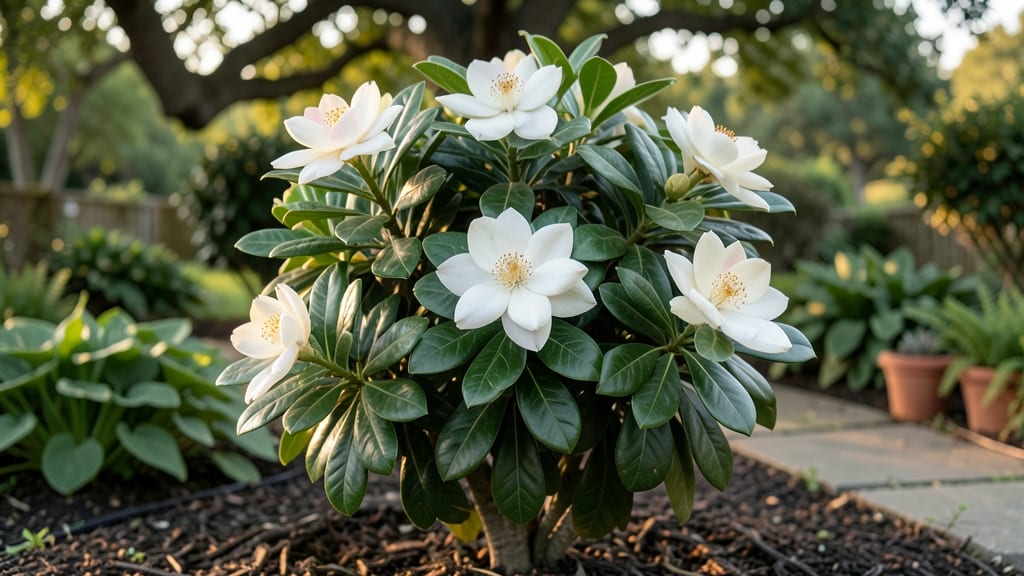
Gardenia bushes bloom between late spring and early fall, with peak fragrance typically arriving in June or July — but your exact timing depends on where you live and how you care for them.
If you’ve ever caught the intoxicating scent of gardenias drifting through the air, you know their blooms are a gardener’s crown jewel—but timing them right is the secret to maximizing their fragrance.
In cooler climates like USDA Zone 6a, expect blooms to start in June and stretch into early September, while warmer zones like Florida may enjoy year-round fragrance with proper care.
Below, I’ll break down the bloom windows by region, the care tweaks that can extend your gardenia’s show, and the common mistakes that keep them from perfuming your garden like a tropical paradise.
Gardenia bloom timeline by USDA Zone: month-by-month expectations
Timing your gardenia blooms means understanding your USDA zone and how local microclimates create variations in fragrance windows. In Zones 7-11, gardenias follow distinct seasonal patterns, with some regions enjoying year-round blooms while others experience concentrated fragrance bursts.
The key to maximizing your gardenia's performance lies in knowing when to expect early buds, peak bloom, and late-season fragrance—and how to adjust care accordingly.
For gardeners in Zones 7-9, blooming typically begins in late spring and continues through early fall, with peak fragrance occurring in June and July. Meanwhile, gardenias in Zones 10-11 often bloom year-round, though they may have heavier fragrance periods during milder months.
Microclimates—like coastal areas or sheltered garden spots—can shift these timelines by 2-4 weeks earlier or later.
🌸
In Zone 7, gardenias often start forming buds in late May, with peak fragrance arriving in June and July when temperatures stabilize. This zone sees the most dramatic seasonal shifts, so late-season blooms in August and September may be lighter but still fragrant.
If you're in a cooler microclimate within Zone 7, expect buds to appear 2-3 weeks later than the average timeline.
Gardeners in Zone 8 enjoy an extended blooming window, with buds appearing as early as early May and continuing through September. The peak bloom period here spans May to August, offering nearly continuous fragrance.
Coastal areas in Zone 8 may experience earlier blooms due to milder winters, while inland regions might see a 1-2 week delay in bud formation.
For those in Zone 9, gardenias often bloom from April through October, with the heaviest fragrance in May, June, and July. This zone benefits from longer daylight hours, which encourage prolonged blooming.
If your gardenia is in a hotter microclimate, like a south-facing patio, you might notice bud drop during mid-summer heatwaves, so afternoon shade can help maintain blooms.
In Zones 10 and 11, gardenias thrive year-round, though their fragrance intensity varies by season. While Zone 11 gardeners can enjoy blooms anytime, the most aromatic periods typically occur in spring and fall when temperatures are moderate.
In Zone 10, winter months may see a reduced bloom cycle, but with proper care—like consistent watering and light fertilization—you can encourage even winter blooms.
Microclimates play a critical role in shifting bloom timelines. A sheltered garden spot might protect your gardenia from late spring frosts, allowing buds to form 2-4 weeks earlier than the zone average. Conversely, exposed locations with harsh afternoon sun can delay blooming
How to extend your gardenia’s blooming season naturally
Gardenia bushes reward patient gardeners with their creamy white, intoxicating blooms, but their natural season can feel disappointingly short. The good news? With a few targeted adjustments, you can coax your gardenias to bloom earlier, longer, or even year-round in warmer climates.
The key lies in understanding their natural triggers—and giving them just the right conditions to keep producing those fragrant flowers.
Most gardenias follow a spring-to-fall blooming pattern, with peak fragrance in late spring and early summer. However, in USDA Zones 9-11, they can bloom nearly continuously if given ideal care. The secret to extending their season?
A combination of pruning strategies, light management, soil pH balance, and seasonal feeding. Let’s break down the most effective, natural methods to transform your gardenia from a seasonal star into a year-round fragrance machine.
- 1. Prune for New Growth: Cut back 1/3 of old wood in early spring to stimulate fresh, flower-bearing branches. Avoid heavy pruning in fall—it removes next year’s buds.
- 2. Adjust Light Exposure: Move potted gardenias to bright, indirect light in winter (e.g., near an east-facing window). In-ground plants benefit from morning sun only in hot zones.
- 3. Optimize Soil pH: Test your soil—gardenias thrive in acidic soil (pH 5.0–6.5). Amend with peat moss or sulfur if your soil is alkaline. A monthly acidic fertilizer (like 8-3-9) keeps blooms coming.
- 4. Deadhead Religiously: Snip off spent blooms daily to redirect energy to new flowers. Use clean, sharp bypass pruners to avoid damaging stems.
- 5. Winter Care in Cold Zones: Mulch heavily with pine straw or bark (adds acidity!) and water sparingly to protect roots. In Zone 8, move potted plants to a garage or sheltered patio for winter.
One of the most overlooked factors in extending blooms is watering consistency. Gardenias hate soggy roots but wilting stress can trigger bud drop. Water deeply every 2–3 days in summer, then taper to weekly in winter.
A self-watering pot or drip irrigation system helps maintain moisture without overdoing it—especially in USDA Zones 7–8, where summer heat can dry soil quickly.
For gardeners in tropical or subtropical zones (9–11), the goal shifts to year-round blooming. Here, focus on year-round feeding with a low-nitrogen fertilizer (like 10-10-10) every 6–8 weeks, and protect plants from late-winter frosts with frost cloth.
In these climates, gardenias can bloom in every season if given the right care—imagine that fragrance filling your garden from spring through fall!
Finally, don’t underestimate the power of patience and observation. Gardenias are sensitive to sudden changes, so introduce new care routines gradually. For example, if you’re adjusting light exposure, move plants incrementally over a week to avoid shocking them.
With these techniques, your gardenia could reward you with months-long blooms instead of just a few weeks of fragrance.
Ready to transform your gardenia into a continuous bloomer? Start with just one or two of these tips this season—your nose (and neighbors) will thank you. 🌸