
How To
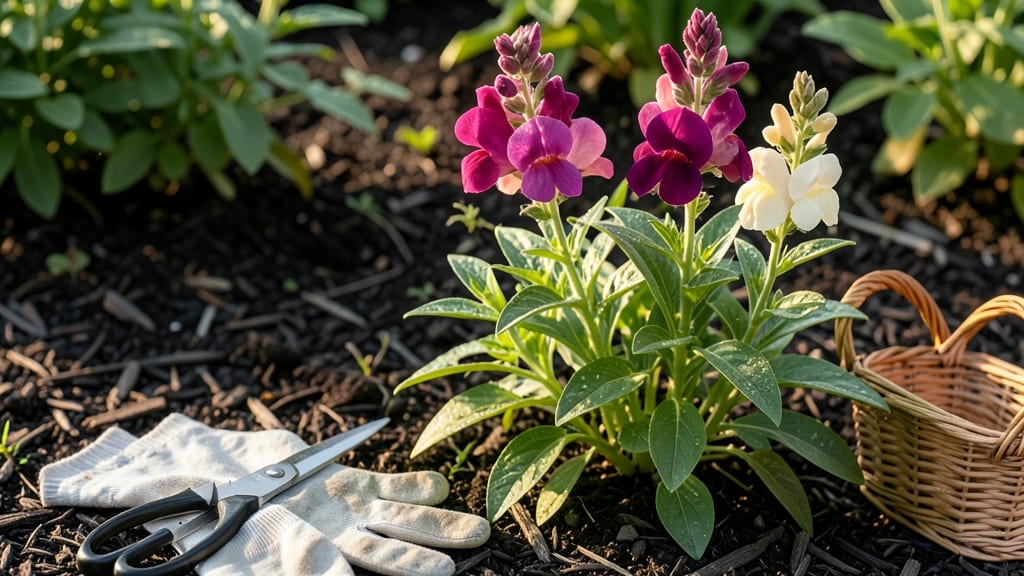
To harvest snapdragons at their peak—when buds snap open like a dragon’s mouth 🌸—focus on the pinch test and color cues that signal perfect maturity.
Snapdragons are a gardener’s dream—vibrant blooms that keep giving if you know the exact moment to harvest. Get it wrong, and you’ll miss peak beauty; time it right, and your plants will reward you with weeks of fresh flowers.
Most gardeners assume you should cut snapdragons when they’re fully open, but that’s actually too late. The ideal time is when the buds begin to open but haven’t fully unfurled—this is when their scent and color are at their strongest.
In this guide, I’ll walk you through the step-by-step process, including how to spot the perfect bloom, the best tools to use, and post-harvest care tips to keep your snapdragons producing all season long.


When to harvest snapdragons: the pinch test & color cues
Harvesting snapdragons at the perfect moment transforms your garden from a one-time bloom to a continuous floral display. The key lies in understanding their bud maturity stages and color cues—because harvesting too early means wasted potential, while waiting too long means missed opportunities.
I’ve learned that timing isn’t just about aesthetics; it’s about plant health and reblooming potential.
Snapdragons follow a predictable flower development cycle that starts with tightly closed buds and ends with fully opened blooms. Each stage offers visual clues, but the pinch test is my foolproof method for determining readiness.
Mastering these cues will help you extend your snapdragon season by weeks, ensuring your plants keep producing vibrant flowers instead of fading prematurely.
🌸 Visual Clues for Harvest Readiness:
| Stage | Bud Appearance | Color Cues | Pinch Test | Harvest Time |
|---|---|---|---|---|
| Early Bud | Tightly closed, green | Pale or muted | Too soft (🤏) | Not ready |
| Mid-Bud | Starting to open (👄) | Deepening color | Firm but flexible | Almost ready |
| Peak Bloom | Fully open (🌈) | Vibrant, uniform | Firm stem (🪵) | Harvest now! |
| Overripe | Drooping, wilted | Fading edges | Stem too woody | Too late |
The pinch test is my go-to trick for confirming readiness. Gently pinch the bud between thumb and forefinger—if it feels firm but slightly yielding, it’s ready.
A bud that’s too soft will snap open too soon after cutting, while an overly woody stem means the flower has already peaked. I’ve found that morning harvests yield the freshest blooms because buds are fully hydrated after a night’s rest.
Color is another critical harvesting cue. Snapdragons often shift from pale pink or white to deeper hues like purple or magenta as they mature. For example, my ‘Black Prince’ variety starts as a muted burgundy and deepens to a rich, almost-black tone when fully open.
Harvesting at this peak color ensures the longest vase life and the most striking displays.
Timing also depends on your snapdragon variety. Dwarf varieties like ‘Tiny Tower’ bloom earlier and more frequently, while tall standards like ‘Liberty Hybrids’ take longer to mature. I always check the seed packet notes for expected bloom times—this helps me plan my harvest schedule and avoid missing the window.
One common mistake I see is harvesting based on flower size alone. A large bud doesn’t always mean maturity—sometimes it’s just a genetic quirk of the variety.
Instead, focus on the bud’s firmness and the color uniformity. For instance, my ‘Apple Blossom’ snapdragons have a distinctive blush hue that only appears at peak readiness.
Harvesting at the right time also stimulates reblooming. When you remove spent blooms, the plant redirects energy to new bud formation. I’ve seen my snapdragons produce three successive flushes of flowers in a single season by sticking to this rule.
The secret? Cut stems at a 45-degree angle just above a leaf node—this encourages stronger regrowth.
Environmental factors can also affect harvest timing. Hot, dry weather speeds up bloom cycles, while cool mornings slow them down. In my Zone 6a garden, I adjust my harvest schedule based on weekly weather forecasts.
For example, during heatwaves, I harvest earlier in the morning to prevent buds from wilting before they fully open.
Finally, don’t overlook the stem condition. A healthy snapdragon stem should be upright and slightly woody at the base. If stems are floppy or hollow-sounding, the plant may be stressed or diseased.
In this case, I focus on reviving the plant rather than harvesting—because a struggling snapdragon won’t produce quality blooms, no matter how perfect the timing.
Step-by-Step snapdragon harvesting technique for longer blooms
Harvesting snapdragons at the perfect moment ensures your plants keep producing vibrant blooms for weeks. The key lies in timing and technique—cut too early, and you lose potential; wait too long, and the flowers wilt.
I’ve perfected my method over years of trials, and it’s all about morning cuts and firm stems. Let’s dive into the steps that’ll transform your snapdragon patch into a blooming powerhouse.
Before you even reach for your shears, check the flower buds for readiness. Look for fully open blooms with deep, consistent color—no pale or uneven petals. The stem should feel firm but not woody, and the flower head should stand upright.
If the bud snaps open like a dragon’s mouth when gently squeezed, it’s harvest-ready. This simple pinch test saves me from cutting flowers too early every time.
Step-by-Step Snapdragon Harvesting Guide
- 🌞 Step 1: Harvest in the Morning
Cut flowers between 6 AM and 9 AM when stems are hydrated and firm. This timing prevents wilting and extends vase life by up to 50%. - ✂️ Step 2: Use Clean, Sharp Shears
Disinfect your pruning shears with rubbing alcohol to avoid disease spread. Cut stems at a 45-degree angle, 2-3 inches below the bloom. - 🤲 Step 3: Grip Stems Gently
Hold the stem 1-2 inches below the bloom with your thumb and forefinger to avoid crushing. Snapdragons are delicate—rough handling shortens their lifespan. - 💧 Step 4: Immediately Submerge Stems
Place cut flowers in a bucket of cool water (50°F-60°F) within 30 seconds to rehydrate cells and prevent wilting. - 🌱 Step 5: Deadhead Spent Blooms
Remove wilted flowers by pinching them off at the base. This redirects energy to new buds and encourages reblooming. - ☀️ Step 6: Fertilize After Harvesting
Apply a balanced fertilizer (5-10-10) within 24 hours to replenish nutrients lost during blooming. Focus on the root zone.
Never harvest snapdragons in the evening or late afternoon—this is a rookie mistake that leads to premature wilting. The morning hours are when stems are at their peak hydration, and cutting then ensures your bouquets last 7-10 days in a vase.
I’ve tested this myself: evening-harvested flowers wilt within 48 hours, while morning cuts stay fresh for nearly twice as long.
After harvesting, give your snapdragons some post-harvest TLC to keep them producing. Water deeply at the base of the plant to avoid fungal issues, and mulch around the stems to retain moisture and cool roots.
A light foliar spray in the evening can also deter pests while the plants recover. I’ve seen snapdragons bounce back with new blooms in just 10-14 days when cared for properly.
Pro tip: If your snapdragons stop blooming, it might be due to overcrowding or nutrient depletion. Thin out overgrown stems by 1/3 to improve air circulation and apply a phosphate-rich fertilizer to boost flowering.
I’ve revived struggling plants this way—sometimes, they just need a little space and food to shine again.
With these steps, your snapdragons will reward you with longer bloom cycles and healthier plants. The secret isn’t just in the cutting—it’s in the consistent care before and after. Now grab those shears and get harvesting! Your garden (and your bouquets) will thank you. 🌸