
How To
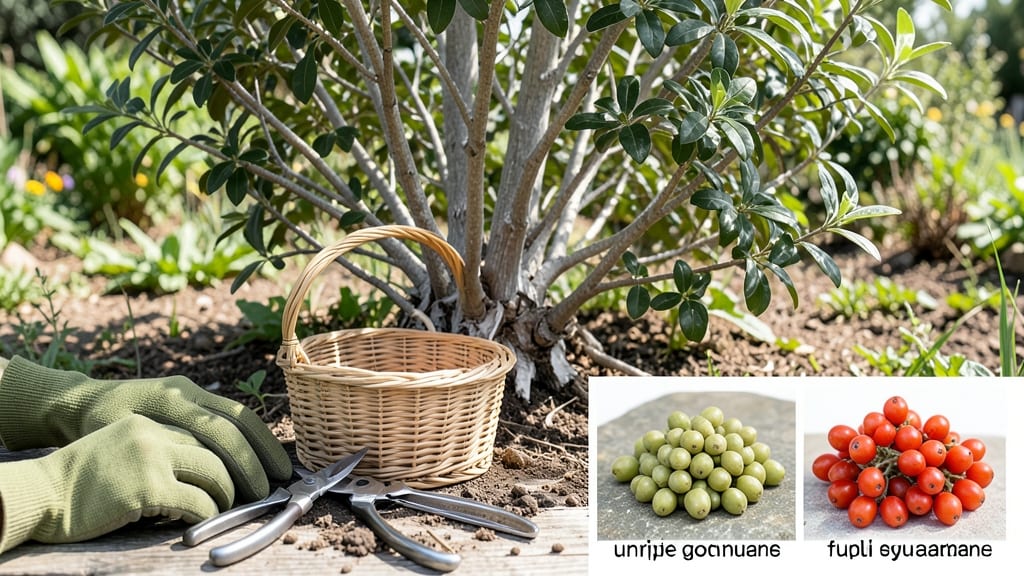
Harvesting goji berries at the right time transforms your shrub into a sweet, nutrient-packed treasure chest—but wait too long, and you’re left with bitter, shriveled 🍇 orbs.
Most growers miss the window because they focus on color alone, but the true test is a gentle twist of the stem. When the berry releases with just a slight tug, that’s your cue—no more, no less.
In USDA Zone 6a, late summer through early fall (August–October) is prime time, but cooler climates may delay ripening by a few weeks. Below, I’ll walk you through the exact color shifts, stem tricks, and regional tweaks to lock in peak flavor every time.
Skip the guesswork: Learn how to spot the three key signs of perfect ripeness, avoid common pitfalls, and even salvage partially ripe clusters—so you never waste another harvest.


How to identify perfectly ripe goji berries by color and size
Goji berries transform from green to deep red as they ripen, but not all red berries are ready for harvest. The color shift happens gradually, starting with light orange hues that deepen into a vibrant ruby red when fully ripe.
This progression signals the berries' natural sugar development, which peaks at harvest time.
Size matters just as much as color—ripe goji berries typically measure between 0.5 to 1 inch in length. They’ll feel plump and firm to the touch, not hard or shriveled.
If you press gently, the berry should yield slightly, like a ripe tomato, rather than bounce back like an unripe one.
Regional sunlight exposure affects ripening speed. In warmer climates like USDA Zone 8-10, berries may ripen faster, turning red by late August. In cooler zones like Zone 5-6, expect ripening to stretch into September or October, especially if summer temperatures dip below 75°F.
Sunlight intensity also plays a role—berries basking in full sun (6+ hours daily) develop richer colors and sweeter flavors faster than those in partial shade. If your goji berries are growing in dappled shade, they may take 2-3 weeks longer to reach peak ripeness.
| Ripeness Stage | Color | Size | Firmness | Harvest Time |
|---|---|---|---|---|
| Unripe | Green | <0.5 inch | Hard | Not ready |
| Partially Ripe | Light orange | 0.3-0.5 inch | Firm | Wait 1-2 weeks |
| Perfectly Ripe | Deep red | 0.5-1 inch | Plump, yields slightly | Harvest now |
| Overripe | Dark red-purple | 1+ inch | Soft, mushy | Avoid |
In cooler climates, like the Pacific Northwest, goji berries may never fully turn red due to shorter daylight hours. Instead, they’ll stop at a dull orange-red shade. These berries are still edible but may taste less sweet and more tart.
If you’re in this region, harvest when berries reach their maximum size (0.75-1 inch) and soften slightly, even if color isn’t perfect.
Watch for cluster ripening, where some berries in a bunch may ripen faster than others. This is normal, but avoid picking the entire cluster early—wait until at least 80% of berries in a cluster reach deep red.
Use a small harvesting basket to gently pluck only the ripe ones, leaving the rest to mature.
Morning is the best time to harvest because berries are cool and firm, making them easier to handle. Avoid picking after rain or in high humidity, as moisture can cause berries to shrink or rot during storage.
If you must harvest in damp conditions, spread berries on a paper towel-lined tray to dry for 1-2 hours before storing.
Pro tip: Taste test a few berries from different branches to confirm ripeness. A perfectly ripe goji berry should be sweet with a slight tartness, not bitter or seedy. If flavor is lacking, leave the berries another 3-5 days on the plant to mature further.
Once harvested, store goji berries in a paper bag in the fridge for up to 2 weeks. For longer storage, freeze them or dry them in a dehydrator at 135°F for 8-12 hours. Properly dried berries can last up to 6 months while retaining their nutrients.
🌱
The stem twist test: pro growers' secret for maximum sweetness
Once your goji berries reach that deep ruby-red hue, don't rush to harvest—try the stem twist test first. This simple technique reveals whether berries are truly ripe or still clinging to the vine prematurely.
I've used this method for years to avoid bitter, underripe fruit that never reaches its full sweet potential.
The twist test works by gently rotating the berry between your thumb and forefinger. When done correctly, it tells you exactly when to harvest without damaging the plant.
Mastering this skill means you'll always pick berries at their peak sweetness, packed with nutrients and ready for drying or fresh eating.
💡 Pro Tip:
The perfect twist feels like turning a doorknob—smooth but with just enough resistance. If the berry snaps off cleanly with a tiny stem remnant, it's ready. If it won't budge, wait 2-3 days. Over-twisting can bruise the berry or damage the plant's delicate branches.
✅ Ready berries: Deep red, plump, detach with gentle twist
❌ Avoid: Green berries, hard stems, or excessive force
Start by selecting a single berry from the cluster—never twist multiple at once. Grip the berry's stem between your thumb and index finger, about ½ inch from the fruit.
Apply light pressure and rotate your fingers in a quarter-turn motion. The berry should separate cleanly from the vine with minimal resistance.
If the berry resists, it's not ready—leave it on the plant. But if it detaches with just a tiny stem cap remaining, you've found a ripe one.
Work your way through the cluster, harvesting only those that pass the test. This method prevents over-harvesting while ensuring every berry you pick is at its sweetest.
For large clusters, use a pair of clean pruning shears to snip the entire stem after testing a few berries. This reduces stress on the plant and speeds up the harvest process.
Always harvest in the morning when berries are cool and firmest, and avoid picking after rain to prevent mold.
Remember, goji berries continue ripening off the vine, so don't worry if a few don't pass the test immediately. Recheck clusters every 2-3 days during peak harvest season (typically late August to October).
With practice, the twist test becomes second nature, and you'll consistently harvest berries at their absolute peak.