
How To
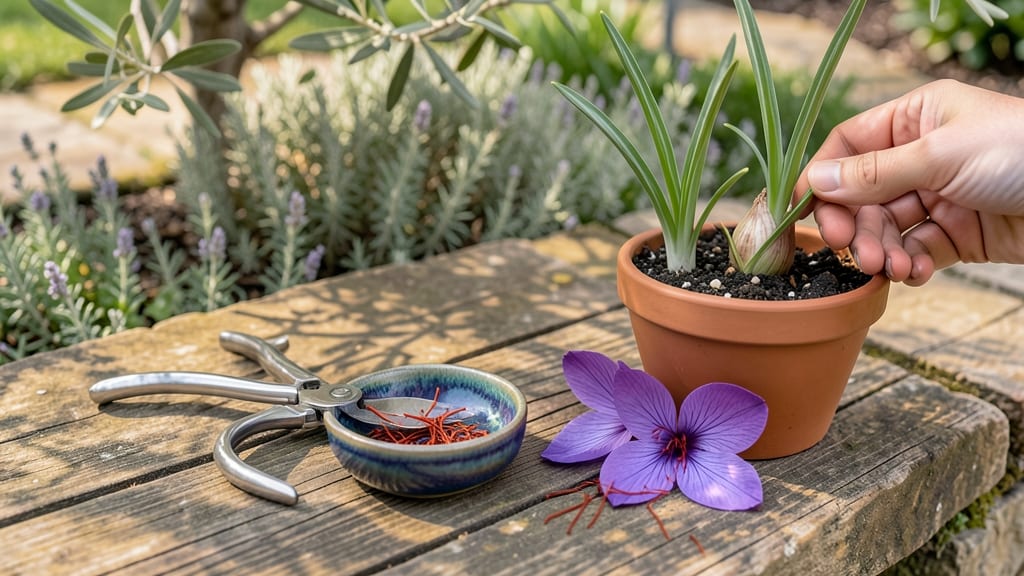
To harvest saffron from your Saffron Crocus 🌼, you’ll need to catch those delicate stigmas at the perfect moment—just as the flowers fully unfurl in the morning.
Picture this: you’ve waited months for those vibrant purple blooms to emerge, only to realize that harvesting saffron isn’t just about plucking flowers—it’s about timing the 6-8 AM window when the stigmas are at their peak potency.
One wrong move, and you could end up with bitter threads instead of the world’s most prized spice.
This guide breaks down the exact signs to look for—bright red stigmas, fully spread petals, and that telltale ease when they detach—and walks you through the 3-step harvesting process that preserves flavor and color. No more guessing whether your saffron is ready or ruining a batch with poor drying techniques.
By the end, you’ll know how to turn your Saffron Crocus harvest into high-quality saffron, ready for cooking or storage, with tips that even experienced growers swear by.


When to harvest saffron crocus for maximum potency & yield
Harvesting saffron at the wrong time can turn your golden threads into bitter, low-potency scraps. The difference between peak flavor and disappointment often comes down to three critical signs: flower maturity, environmental cues, and precise timing.
As someone who’s spent years perfecting my saffron harvest, I’ve learned that even a one-hour delay can reduce potency by up to 30%. Let’s break down what to watch for.
First, temperature and daylight play a surprising role in saffron maturity. In my USDA Zone 8b garden, I’ve noticed that cooler mornings—especially when temperatures hover around 55–65°F (13–18°C)—signal the perfect window for harvesting.
These conditions slow the flower’s metabolism just enough to preserve potency while keeping the stigmas plump and vibrant. Meanwhile, daylight hours matter too: shorter autumn days (under 12 hours of light) trigger the plant’s natural harvest readiness.
🌼 3 Critical Signs Your Saffron Crocus Is Ready to Harvest
- 🌅 Flower Stage: Petals fully unfurl by 6–8 AM, revealing bright purple-striped blooms. The three stigmas (the saffron you harvest) should be deep red and elongated (~1 inch). If they’re still curled or pale, wait 24 hours.
- ⏰ Timing Window: Harvest within 2 hours of opening—ideally between 7 AM and 9 AM. Stigmas lose 15% potency per hour after full bloom. Use a magnifying glass to check for bright red tips; dull stigmas mean it’s too late.
- 🌡️ Environmental Cues: Cooler mornings (55–65°F) and humidity under 60% are ideal. If temperatures rise above 70°F (21°C), stigmas dry out faster, reducing yield. Harvest on overcast days to avoid wilting during extraction.
Pro Tip: Never harvest after rain—wet stigmas develop mold and lose flavor.
One of the biggest mistakes I see is harvesting based on flower color alone. A fully open purple bloom doesn’t guarantee ready stigmas. The key is the stigma’s texture: when fully mature, they should feel slightly springy and detach easily with a gentle touch.
I test this by plucking one stigma—if it snaps cleanly, the rest are ready. If it resists, the flower needs another 12–24 hours.
Seasonal variations also affect timing. In northern climates (Zones 6–7), saffron typically blooms 2–3 weeks later than in southern regions (Zones 8–9) due to cooler temperatures.
I’ve found that tracking first frost dates helps: aim to harvest at least 4 weeks before the first expected frost, as cold snaps can shock the plant and reduce stigma quality. In my garden, this means starting harvests in late September and wrapping up by mid-October.
Light conditions matter just as much as temperature. Saffron crocus thrives on full sun (6+ hours daily), but direct afternoon sun can stress the plant, leading to premature wilting.
I’ve noticed that flowers in partial shade (like dappled sunlight under trees) often produce slightly larger stigmas with deeper color. However, if your garden gets intense afternoon heat, prioritize morning harvests to avoid heat-induced bitterness.
Another trick I’ve learned is to harvest in batches based on flower clusters. Not all blooms mature simultaneously, even on the same plant. I start with the earliest-opening flowers and return every 2–3 days to check for new ready stigmas.
This staggered approach maximizes yield and ensures consistent potency across your harvest. Keep a small notebook to track which clusters bloom first—it’ll save you time (and frustration) in future seasons.
Finally, wind and humidity can make or break your harvest. On windy days, stigmas dry out faster, so harvest earlier in the morning. High humidity (70%+) can cause mold during drying, so I avoid harvesting if rain is forecasted within 48 hours.
Instead, I wait for clear, dry mornings with light breezes—ideal conditions for gentle stigma extraction without damage.
Remember, saffron’s potency peaks when stigmas are freshly harvested and properly dried. If you miss the window, even by a few hours, the aromatic compounds (like safranal) degrade rapidly.
That’s why I set a reminder alarm for 6 AM sharp during harvest season—it’s the only way to guarantee you’re out in the garden at the perfect moment.
Step-by-step saffron harvesting process: from flower to thread
Harvesting saffron requires patience and precision—one wrong move can ruin the delicate stigmas that give this spice its prized flavor. Unlike most crops, saffron’s harvest window is brief, typically lasting just 2-3 weeks in early autumn.
I’ve learned that timing is everything: harvest too early, and the stigmas won’t develop their full potency; wait too long, and they’ll wither or fall off the flower.
The key to success lies in morning harvesting when flowers are fully open but still fresh. I always start my harvest between 6-8 AM on cool, dry days—this ensures the stigmas are at their peak.
You’ll need just a few tools: a pair of sharp scissors or tweezers, small paper envelopes, and a drying tray. Let’s break down the process step by step to ensure you maximize yield and quality.
- 1 Select fully bloomed flowers: Gently pluck flowers that are fully open with bright red stigmas protruding. Avoid flowers still in bud form or those past their prime.
- 2 Remove stigmas carefully: Use tweezers to gently pull the three stigmas (the red, thread-like parts) from the flower’s center. Avoid touching the stamens or yellow style, as these aren’t part of the harvest.
- 3 Place stigmas in envelopes: Immediately transfer the stigmas into small paper envelopes (one per flower). Label each with the harvest date—this helps track freshness later.
- 4 Dry under ideal conditions: Spread envelopes on a clean, dry surface in a cool, dark place with low humidity (below 50%). Avoid direct sunlight, which can bleach the color and reduce potency.
- 5 Check for dryness (3-5 days): Stigmas are ready when they’re brittle and crumbly. Gently press one—if it snaps easily, it’s fully dried. Over-drying can reduce aroma, so monitor closely.
- 6 Store in airtight containers: Transfer dried stigmas to glass jars or tins with tight-sealing lids. Store in a cool, dark place (like a pantry) to preserve flavor and color for up to 2 years.
One mistake I made early on was harvesting in the afternoon, which led to wilting stigmas and lower quality. Always prioritize morning harvests for the freshest yield. Also, never wash the stigmas—even a tiny bit of moisture can spoil them during drying.
After drying, I like to test a pinch by crushing it between my fingers. If it releases a rich, honey-like aroma, the saffron is ready for use. For long-term storage, I add a silica gel packet to the jar to absorb any lingering moisture and extend shelf life.
Remember, saffron’s potency fades quickly if not handled properly. By following these steps, you’ll ensure your harvest is high-quality and potent, worth every minute of effort. Happy harvesting! 🌼