
How To
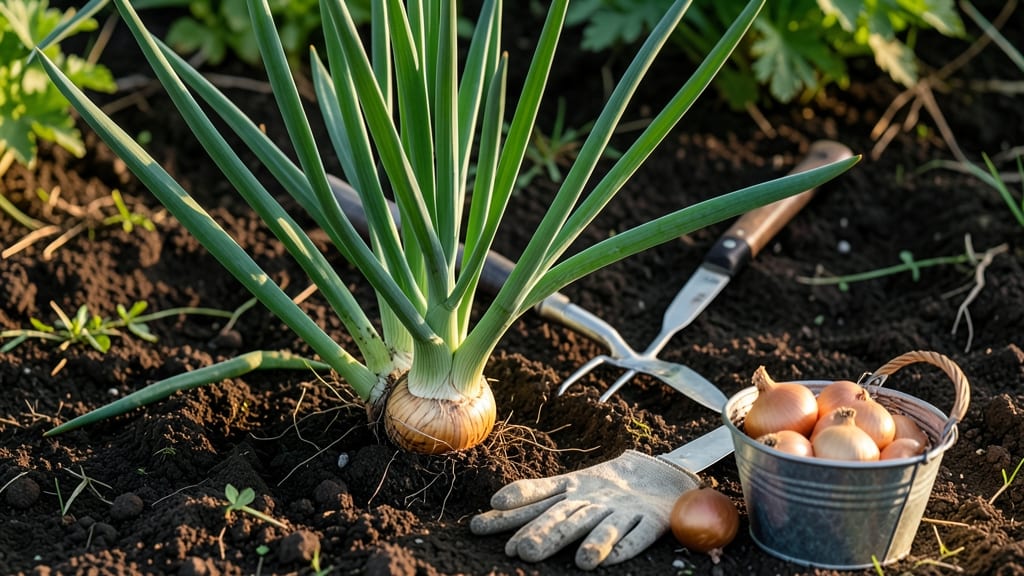
Harvest sweet onions when their tops yellow and fall over 🧅—that’s your cue for peak flavor, not a moment sooner or later.
Sweet onions are a gardener’s treasure—but harvest them too early, and you’ll miss their melt-in-your-mouth sweetness; too late, and they turn bitter or split. Timing is everything, and these 3 foolproof signs will ensure you pick them at their peak.
Most varieties, like Vidalia or Texas Super Sweet, need 90 to 120 days from planting to reach harvest. But don’t rely on days alone—watch for the tops to dry out and the bulbs to firm up to 1 to 2 inches in diameter.
Below, I’ll walk you through the exact visual cues, soil conditions, and climate adjustments to guarantee a harvest that’s sweet, crisp, and ready for storage.


3 Unmistakable signs your sweet onions are ready to harvest
Sweet onions like Vidalia and Texas Super Sweet reach their peak flavor when harvested at the perfect moment. Unlike storage onions, these varieties are best enjoyed fresh and lose their signature sweetness if left too long in the ground.
The key to unlocking that caramel-like sweetness lies in watching for these three visual and physical cues that signal it's time to harvest.
First-time growers often struggle with timing—pulling onions too early results in small, underdeveloped bulbs, while waiting too long can lead to bitter flavors or split bulbs.
I’ve learned from experience that checking for these specific signs every few days in late summer is the best way to guarantee a successful harvest. Let’s dive into the three foolproof indicators that your sweet onions are ready to come out of the soil.
Falling Over Tops
The green tops of your sweet onions will begin to yellow and flop over naturally. This is your first clear sign that the bulb has reached maturity and is redirecting energy downward.
Papery Skin
When the outer skin of the bulb turns dry and papery, it’s time to harvest. Gently brush away some soil to check—if it feels dry and the skin is no longer green, your onions are ready.
Firm Bulbs
The bulbs should feel firm and dry when gently squeezed. If they’re soft or still growing, wait a few more days. For Vidalia onions, aim for bulbs about 2-3 inches in diameter.
For Texas Super Sweet varieties, the bulbs often reach harvest readiness slightly earlier than other sweet onions, so keep a close eye on them. I’ve found that checking these indicators in the morning after dew has dried gives the most accurate reading—cooler temperatures can sometimes delay the yellowing process.
Once you’ve confirmed all three signs, it’s time to harvest. Use a garden fork to loosen the soil around the bulbs, then gently pull them up. Be careful not to damage the skins, as this can lead to spoilage during curing.
After harvesting, let the onions dry in the sun for a few hours to harden the skins before storing.
Timing is especially critical for short-day sweet onions, which rely on specific daylight hours to trigger bulb formation. If you’re in a cooler climate, these onions may mature more slowly, so adjust your harvest window accordingly.
For example, in USDA Zone 5, you might need to harvest a week later than in Zone 8.
One common mistake I see among gardeners is waiting until the tops are completely brown and crispy. While this might seem like the final stage, by then the bulbs may have already started to split or lose their sweetness.
The ideal time is when the tops are yellow and floppy—this ensures maximum sweetness and storage potential.
Pro tip: If you’re unsure whether your onions are ready, dig up one bulb to check the size and firmness. This test bulb can also give you a taste test to confirm the sweetness level. If it’s perfect, go ahead and harvest the rest within the next day or two.
Remember, sweet onions are not storage crops like yellow or red onions. They’re best enjoyed fresh or lightly cooked within a few weeks of harvest. Proper curing and storage techniques will help preserve their sweetness for as long as possible, but nothing beats the flavor of freshly harvested sweet onions.
Sweet onion harvesting mistakes to avoid (and how to fix them)
Harvesting sweet onions at the wrong time can turn your garden's sweetest rewards into bitter disappointments. I've learned the hard way that pulling them too early means tiny, pungent bulbs, while waiting too long leads to tough, split skins and lost flavor.
The key is recognizing the perfect balance between size, color, and maturity cues.
Even experienced gardeners make mistakes—like harvesting when the soil is too wet, which causes bulbs to split, or storing them improperly, which speeds up spoilage. Let me share the most common errors and how to fix them before they ruin your harvest.
These tips will help you avoid wasting months of hard work in just a few minutes.
Sweet onions should be harvested when 50-60% of tops have turned yellow and fallen over. If you wait for 100% yellowing, bulbs risk splitting and flavor loss. For varieties like Vidalia or Texas Super Sweet, aim for 2-3 inches in diameter—any smaller and they'll lack sweetness.
One of the biggest mistakes is harvesting sweet onions by size alone. I once pulled mine because they reached 2 inches, only to find they were still too green and watery inside.
Always check for papery skin and a tight neck—these are better indicators than diameter. Use your fingers to gently squeeze the bulb; it should feel firm but not rock-hard.
Leaving sweet onions in the ground too long is another classic error. Overripe bulbs develop hollow centers and tough skins, making them unappetizing. If you notice the tops completely collapse or the bulbs start sprouting new shoots, it's past prime.
For long storage varieties, harvest when necks tighten naturally—this signals the bulb has reached maturity.
Improper storage ruins even perfectly harvested onions. I used to stack them in plastic bags, thinking they'd last longer, but they sprouted mold within weeks. Sweet onions need good airflow—store them in mesh bags or open containers in a cool, dry place (50-60°F).
Avoid refrigeration unless you plan to use them within a month.
If you accidentally harvest too early, don't toss them! Sweet onions pulled small can still be used for green onions or sautéing. Snip the tops 1-2 inches above the bulb, then cure them for 3-5 days in a shady spot.
For late-harvested onions, peel away the outer layers and use them immediately—they won't store well but make great additions to soups or stir-fries.
Remember, every sweet onion variety has slightly different needs. Vidalia onions, for example, prefer harvesting when 70% of tops yellow, while Texas Super Sweet can handle a bit more maturity.
Pay attention to your specific variety's days to maturity and adjust your timing accordingly. With these fixes, you'll go from frustrated gardener to onion harvesting pro in no time! 🧅