
Light Requirements
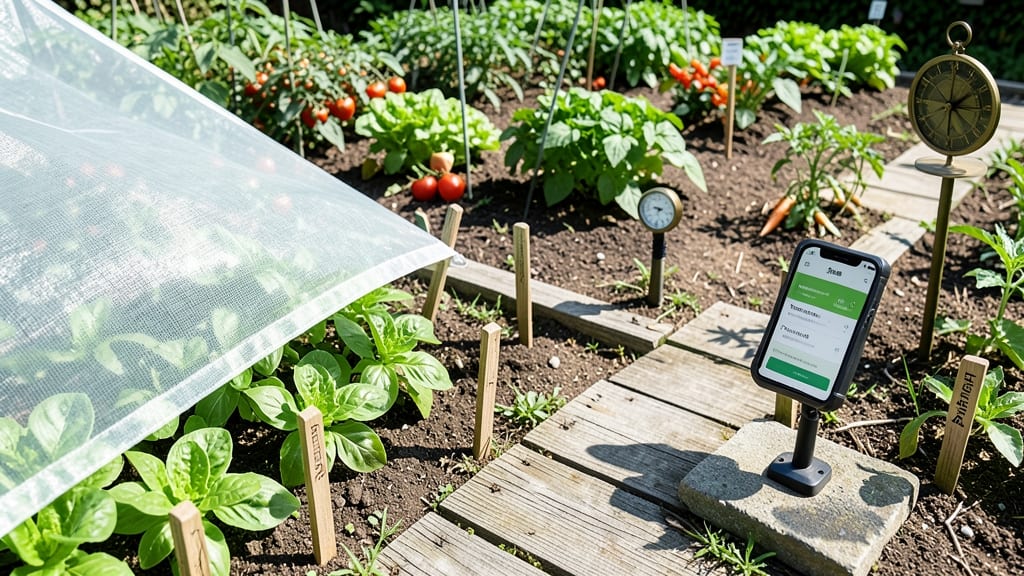
A vegetable garden needs 6 to 8 hours of sunlight daily 🥬 to thrive — anything less, and you’ll watch your plants stretch, struggle, or even bolt before producing a single edible bite.
Struggling to grow a thriving vegetable garden? Sunlight is the #1 factor determining whether your plants flourish or fail—and most gardeners get it wrong. Whether you’re dealing with leafy greens that wilt in the heat or tomatoes that refuse to ripen, the answer almost always comes back to light.
Not all vegetables have the same needs, though. While heavy feeders like peppers and cucumbers demand full sun, shade-loving crops like lettuce and spinach can actually bolt if they get too much.
Below, I’ll break down the exact sunlight requirements for every major crop, plus how to assess and adjust your garden’s light for peak yields.
You’ll also discover how to spot common sunlight mistakes—like overcrowding plants or ignoring seasonal shifts—and fix them before your harvest suffers. Let’s get started.

Sunlight requirements for vegetable gardens by crop type: full sun vs partial shade guide
Understanding sunlight requirements for your vegetable garden is the first step to a bountiful harvest. Most gardeners assume all vegetables need the same amount of sun, but that's a common misconception that leads to underperforming plants.
Some crops thrive in full sun (6+ hours), while others prefer partial shade (3-6 hours) or even shade-tolerant conditions (under 3 hours). Knowing these distinctions helps you maximize space and avoid disappointing yields.
For example, tomatoes and peppers demand full sun exposure to produce heavy fruit, while leafy greens like spinach actually bolt and become bitter in too much sunlight.
The key is matching each plant's needs to your garden's microclimates. Let's break down the ideal sunlight hours for each vegetable category to help you plan strategically.
| Vegetable Type | Sunlight Needs | Daily Hours | Examples | Yield Impact |
|---|---|---|---|---|
| Full Sun Lovers | 6+ hours direct sun | 6-8+ | Tomatoes, Peppers, Corn, Cucumbers, Eggplants | Poor fruit set, stunted growth |
| Partial Sun Tolerators | 3-6 hours direct sun | 4-6 | Green Beans, Beets, Carrots, Lettuce, Kale | Bolting, bitter flavor, lower yields |
| Shade-Tolerant | Under 3 hours direct sun | 2-3 | Spinach, Swiss Chard, Radishes, Bok Choy, Arugula | Leggy growth, poor flavor |
| Microgreen Specialists | Indirect light or 2-3 hours | 2-4 | Microgreens, Sprouts, Cilantro, Parsley | Slow growth, weak stems |
Note: "Hours" refers to direct sunlight during peak growing season (spring-fall).
One of the biggest mistakes I see is placing tomatoes and peppers in areas that only get 4 hours of sun daily. These plants need at least 6 hours to develop properly—any less and you'll end up with small, underripe fruits.
I once had a zucchini plant in partial shade that produced only 2 fruits instead of the usual 10-12. The difference comes down to photosynthesis: more sun means more energy for your plants to produce food.
On the flip side, leafy greens like spinach actually prefer cooler conditions with only 3-4 hours of sun. Too much sunlight causes them to bolt (send up flower stalks) prematurely, turning their leaves bitter.
I learned this the hard way when my spring spinach turned into a flowering plant by June! The solution? Plant shade-tolerant crops in morning sun or under taller plants that provide afternoon shade.
For root vegetables like carrots, the ideal is 4-6 hours of sun. They don't need as much as fruiting plants but still require enough light to develop properly.
I've found that carrots grown in full sun tend to be straighter and sweeter, while those in partial shade often fork or stay small. The same goes for beets and radishes, which thrive with morning sunlight and afternoon shade in hot climates.
If you're working with limited space, consider vertical gardening for sun-loving plants. I use trellises for cucumbers and pole beans, which allows me to place them in areas that get at least 6 hours of sun without taking up valuable ground space.
This technique also improves airflow, reducing the risk of fungal diseases that thrive in crowded, shaded conditions.
Another pro tip: Observe your garden throughout the day to identify microclimates. A spot might get full sun in summer but only partial sun in winter due to lower sun angles.
I adjust my planting layout seasonally—moving shade-sensitive crops to sunnier spots in spring and fall, while protecting them from intense summer heat. This flexibility ensures consistent harvests year-round.
Don't forget about seasonal adjustments. In cooler months, plants often need less sunlight to thrive because they grow more slowly. For example, kale and broccoli can handle only 4 hours of sun in fall but may need 6 hours in summer.
Pay attention to your plants' growth patterns and adjust accordingly—yellowing leaves or slow growth are signs they're not getting enough light.
How to measure and adjust sunlight in your garden for maximum productivity
Measuring sunlight in your garden isn't just about guessing—it's about creating the perfect conditions for your vegetable plants to thrive. Many gardeners assume their space gets enough sun, only to discover their tomatoes or peppers are underperforming because they're not getting the 6-8 hours of full sun they need.
The key is understanding how sunlight shifts throughout the day and seasons, and how to work with those changes.
Start by observing your garden's natural light patterns. Use a simple sunlight tracker like a solar pathfinder or even a white piece of cardboard to map out where shadows fall at different times.
Most sun-loving vegetables need consistent sunlight, while others can tolerate partial shade. Adjusting your garden layout based on these observations can transform your harvest from mediocre to bountiful.
🌱 How to Assess Sunlight in Your Garden
-
1. Use a Sunlight Calculator
Apps like Sun Surveyor or a simple solar pathfinder map your garden's sun exposure in real time. Place it in your garden for 2-4 weeks to track daily sunlight patterns. -
2. Map Your Shade
Walk your garden at solar noon (around 1 PM) and mark shadows with stakes. Note how shadows shift morning vs. afternoon—this reveals microclimates in your space. -
3. Account for Seasonal Changes
Summer sun arcs higher, while winter sun sits lower. A spot with 6 hours of sun in summer might only get 3 in winter. Adjust plant placement seasonally to compensate. -
4. Test with Temporary Plants
Plant fast-growing test crops like radishes or lettuce in suspect areas. If they thrive, the spot gets enough sun; if they bolt or wilt, it’s too hot or dry. -
5. Adjust for Obstructions
Trees, fences, and buildings cast dynamic shadows. Use reflective surfaces (like white walls) or dwarf varieties to maximize light in shady spots.
Once you’ve mapped your sunlight, adjust your garden layout to match your plants' needs. For example, place tomatoes and peppers in the sunniest spots, while leafy greens like spinach or kale can handle partial shade.
If your garden lacks full sun, consider vertical gardening—trellises or cages can help sun-loving plants reach upward for light.
Don’t forget about seasonal sunlight variations. In summer, your garden might get 10+ hours of daylight, but in winter, that drops to 6 or fewer hours. Use seasonal crop rotation to align high-sun crops with summer and shade-tolerant varieties with winter.
For example, plant bush beans in early summer when sun is intense, then swap for kale in fall when days shorten.
If your garden has uneven sunlight, compensate with light-colored mulch to reflect extra light onto plants or use drip irrigation to keep soil moist in hot, sunny areas. For indoor growers, supplement natural light with LED grow lights to extend daylight hours.
The goal is to mimic your garden’s natural sunlight as closely as possible—because when your plants get the right light, they’ll repay you with bigger yields and healthier growth.
Finally, avoid common mistakes like overcrowding plants in sunny spots, which blocks light, or ignoring early morning vs. afternoon sun. Most vegetables prefer morning sun because it’s less intense. By fine-tuning your garden’s sunlight, you’ll create the perfect environment for your vegetable crops to thrive—no guesswork required! 🌿