
How To
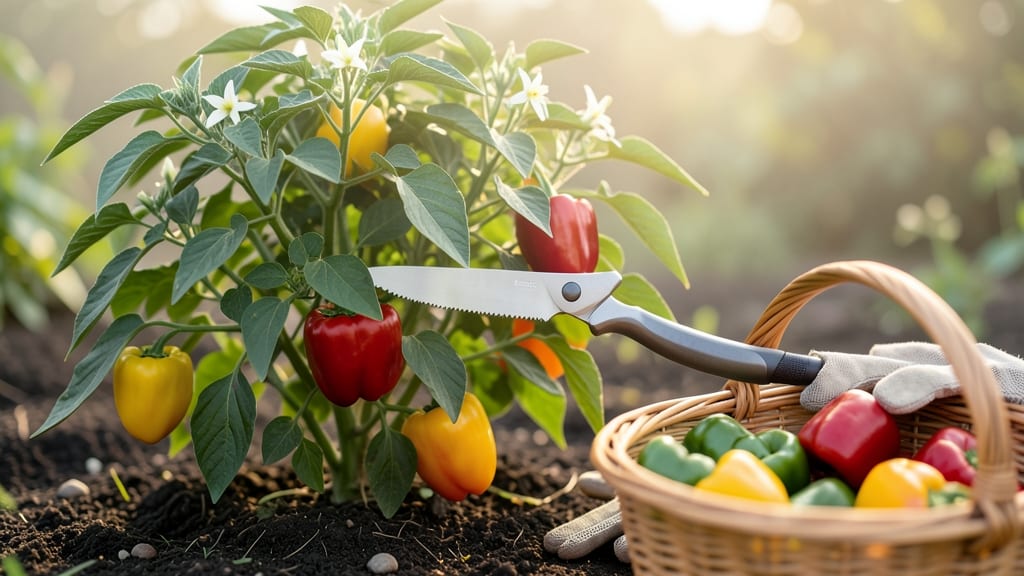
Harvesting peppers at the right time ensures you get the best flavor, texture, and yield from your 🌶️ plants.
Picking too early means bland, underripe peppers, while waiting too long can lead to overripe, mushy ones. The difference between a vibrant harvest and a disappointment often comes down to knowing the exact moment to pick.
Most gardeners focus on color, but the real secrets lie in three simple tactile tests—firmness, gloss, and stem snap—that reveal when peppers are truly ready.
In this guide, I’ll walk you through when to harvest different pepper varieties, the tools you’ll need, and how to handle them without damaging your plants. Whether you’re growing bell peppers, jalapeños, or habaneros, these tips will help you maximize your harvest.


When to harvest peppers: 3 key signs of perfect ripeness
Harvesting peppers at the right moment transforms your garden into a flavor factory. Overripe peppers lose sweetness and texture, while underripe ones lack the bold flavors we all crave. The secret lies in combining visual cues, tactile tests, and knowing your pepper variety's maturity timeline.
Whether you're growing bell peppers, jalapeños, or habaneros, these signs will help you pick peppers at peak perfection.
I’ve learned the hard way that waiting too long means tough, mealy peppers, while harvesting too early means missing out on maximum flavor development. The key is understanding how color changes, skin firmness, and stem readiness all work together to signal the perfect harvest window.
Let’s break down the three tactile tests every gardener should master to ensure you’re harvesting at the absolute best time.
Gently press a pepper with your thumb. A ripe pepper should feel firm but slightly yielding, like a ripe avocado. If it feels too soft or mushy, it’s overripe. If it’s rock-hard, it’s not ready yet.
Twist the pepper gently at its stem. A ripe pepper will snap cleanly with minimal resistance. If the stem tears or the pepper doesn’t separate easily, it’s not ready. This test is especially critical for jalapeños and serrano peppers.
Examine the pepper for deep, even color. Uneven coloring (like green patches on a red pepper) means it’s not fully ripe. For bell peppers, this means a rich, glossy color. For habaneros, look for vibrant orange or red without fading.
Don’t overlook the importance of variety-specific timing. For example, bell peppers typically reach harvest size at 60-75 days and should be deep green (or their mature color) before picking. Meanwhile, jalapeños and serrano peppers often turn from green to red or yellow, signaling peak spiciness and flavor.
I always keep a small notebook to track the days to maturity for each variety I grow.
Another pro tip: Harvest in the morning when temperatures are cooler. This ensures peppers are at their firmest, making them easier to handle and less prone to bruising. Plus, morning harvests mean you can enjoy your peppers fresh in meals later that day.
I’ve found that peppers harvested in the afternoon often soften quickly, especially in hot climates.
Watch for size benchmarks too. A bell pepper should be about 3-6 inches long, while jalapeños are typically 2-3 inches. Smaller peppers often mean milder heat, which can be perfect for certain dishes.
If you’re growing habaneros, they’ll be tiny but packed with punch—usually around 1-2 inches in length.
One mistake I’ve seen even experienced gardeners make is waiting for peppers to turn fully red before harvesting green peppers. Some varieties, like Italian sweet peppers, are best picked when fully green.
Always check your seed packet or plant tag for specific harvest guidelines. If in doubt, go by the skin firmness and stem snap test—they’re foolproof!
Finally, remember that nutritional value peaks at ripeness. Ripe peppers contain higher levels of vitamin C, antioxidants, and capsaicin (for spicy varieties). Harvesting too early means missing out on these health benefits.
For example, a red bell pepper has nearly 3x more vitamin C than a green one. That’s a huge incentive to nail your harvest timing!
Now that you know the signs, you’re ready to transform your garden into a pepper powerhouse. Grab your pruners, head outside, and start harvesting those peppers at their absolute peak. Your taste buds will thank you!
Step-by-step pepper harvesting techniques for different varieties
Harvesting peppers properly ensures you get the best flavor and encourage more production. Different varieties like bell peppers, jalapeños, and habaneros need slightly different approaches, but the core principles remain the same.
Whether you're growing in containers or a large plot, these techniques will help you avoid damaging plants while maximizing your yield.
Start by gathering your tools: a sharp pair of pruning shears, a small knife, or even clean hands. For large plots, a basket lined with a towel will protect your peppers from bruising. Always harvest on a dry morning to reduce the risk of spreading diseases through wet peppers.
- 1. Identify ripe peppers by checking for deep color, firm skin, and a glossy finish. For bell peppers, this means bright green, red, yellow, or purple depending on the variety. Habaneros and jalapeños should be fully colored and slightly firm to the touch.
- 2. Use the right tool for the job: pruning shears for thick stems, a small knife for delicate peppers, or your fingers for small varieties. Always cut 1/4 inch above the pepper's stem to prevent disease entry points.
- 3. Grip the pepper gently at the base and twist or cut it off smoothly. Avoid pulling—this can damage the plant. For container-grown peppers, support the plant with your other hand to prevent tipping.
- 4. Handle peppers carefully to avoid bruising. Place them in a basket lined with a soft towel or cloth to protect their delicate skins. Never stack peppers—this can cause rot or soft spots.
- 5. Harvest regularly to encourage more production. For bell peppers, pick every 3-5 days during peak season. Hot peppers like jalapeños and habaneros can be harvested every 2-3 days once they start producing.
- 6. Store peppers properly after harvesting. Keep them in a cool, dry place with good airflow. For long-term storage, refrigerate at 40-50°F and use within 1-2 weeks for best flavor.
For large garden plots, consider using a harvesting basket with wheels to move around easily. This saves time and reduces back strain. If you're growing peppers in containers, use a small stool to kneel comfortably and avoid overcrowding your plants.
One common mistake is harvesting peppers when they're still underripe. Bell peppers should be at least 3-4 inches long and fully colored, while jalapeños and habaneros should be firm and glossy. Overripe peppers can become soft, lose flavor, and attract pests like aphids or spider mites.
After harvesting, inspect your plants for any signs of stress or disease. Remove any damaged leaves or peppers immediately to keep your plants healthy. With the right techniques, you'll enjoy a bountiful harvest all season long!