
Light Requirements
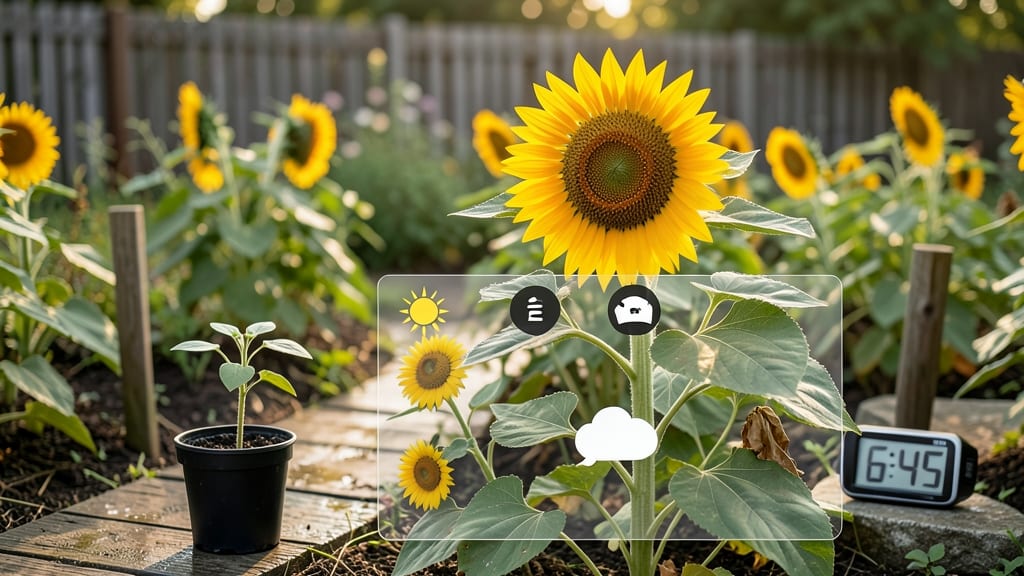
A garden needs at least 6 hours of sunlight daily to thrive, but the exact amount depends on what you’re growing—vegetables like tomatoes crave full sun, while ferns and hostas can handle shade.
Struggling to decide how much sunlight your garden plants truly need? Too little can stunt growth, while too much can scorch your hard work—but getting it right unlocks lush, thriving harvests every season.
From leafy greens that tolerate partial shade to sun-loving herbs, understanding your garden’s light exposure is the key to avoiding wasted effort and maximizing yields.
Below, I break down the ideal sunlight ranges for common plants, how to measure light in your space, and what to do if your garden isn’t getting enough.


Sunlight requirements by plant type: full sun vs partial shade vs low light needs
Understanding your garden's sunlight exposure is the foundation of successful planting. Full sun (6+ hours of direct light) fuels vigorous growth in vegetables like tomatoes and peppers, while partial shade (3-6 hours) suits delicate flowers such as impatiens.
Even low-light plants like hostas thrive with just 2-3 hours—knowing these ranges prevents wasted effort and stunted growth.
Sunlight isn't just about hours—it's about intensity and duration. A south-facing garden in the U.S. typically gets the most light, while east or west exposures may require adjustments.
For example, herbs like basil need 6+ hours to prevent bolting, while leafy greens like spinach tolerate 4-6 hours to avoid bitter flavors. Let’s break down the science-backed thresholds for your most common plants.
⚠️ Critical Note: Overestimating sunlight can be just as harmful as underestimating it. Tomatoes left in partial shade produce fewer fruits, while ferns in full sun turn crispy. The key is matching plant biology to your garden’s microclimate.
Vegetables like tomatoes and peppers demand 6+ hours of full sun to develop their signature flavors and structural strength. Without enough light, they’ll produce small, bland fruits and weak stems.
I’ve seen tomato plants in partial shade yield just 20% of their potential—a costly lesson! For these sun-worshippers, a south-facing bed is ideal, especially in USDA Zones 5-8.
Flowers often get overlooked in sunlight discussions, but hydrangeas and roses thrive in partial shade (3-6 hours). Too much sun causes their petals to bleach or crisp, while too little leads to sparse blooms.
My hydrangeas in morning sun produce larger blooms than those in harsh afternoon light. Position them near a north-facing fence or under dappled tree shade for the best results.
Herbs like basil and cilantro strike a balance, needing 4-6 hours of sun. Basil left in full shade becomes leggy and bitter, while too much sun causes it to bolt prematurely.
I’ve found that container gardens on patios with afternoon shade work perfectly. For parsley, 3-4 hours is often enough—it’s more tolerant of lower light than basil.
Fruiting plants like blueberries and strawberries require 6-8 hours of sun to ripen properly. Blueberries, in particular, need acidic soil (pH 4.5-5.5) and full sun to produce sweet, vibrant berries.
Skimp on light, and you’ll end up with sour, underdeveloped fruit. My strawberry patch in partial shade yields half the harvest of my full-sun bed—proof that sunlight directly impacts yield.
For low-light gardens, don’t despair—plants like hostas and ferns thrive with just
How to measure sunlight in your garden: tools and techniques for accurate light mapping
Accurate sunlight measurement transforms guesswork into a science. Without knowing your garden's light patterns, you risk underplanting sun-lovers like tomatoes or overstressing shade-tolerant hostas. The good news? Simple tools and techniques let you map your garden's light with precision—no degree in horticulture required.
Start by observing your space for at least 2 weeks during the growing season. Light shifts with seasons, so summer sun patterns differ dramatically from winter's. Use a notebook or app to track which areas receive direct sunlight, dappled shade, or full shade at different times of day.
Step-by-Step Light Mapping Guide
- Divide your garden into 4x4 ft squares using stakes or chalk. Label each zone (e.g., "Zone A1").
- Place a white stake in each square—white reflects light, making shadows clearer.
- Record shadows every 2 hours using a laser level or string line to mark shadow edges.
- Note which zones get 6+ hours of direct sun (full sun) vs. 3-6 hours (partial shade).
- Use a sunlight meter (or smartphone app like "Sun Surveyor") to measure lux levels in each zone.
- Log readings: 10,000+ lux = full sun, 3,000-10,000 lux = partial shade, <1,000 lux = full shade.
- Repeat measurements in spring, summer, and fall—trees and buildings cast different shadows each season.
- Use reflective mulch or light-colored gravel to increase light in low-sun areas by 10-15%.
- Color-code your garden zones based on sunlight data: red = full sun, yellow = partial shade, green = full shade.
- Place sun-loving plants (e.g., peppers, marigolds) in red zones and shade-tolerant plants (e.g., ferns, caladiums) in green zones.
Pro tip: Use string lines to mark shadow boundaries at solar noon (when shadows are shortest). This helps you visualize how light shifts throughout the day. For container gardens, move pots to follow their sunlight needs—herbs like basil thrive with morning sun but may scorch in afternoon heat.
Remember, microclimates matter. A north-facing wall might create a cooler, shadier spot even in full-sun gardens, while a south-facing slope gets intense afternoon heat. Adjust your layout accordingly to avoid leaf scorch or leggy growth from insufficient light.
With accurate light mapping, you’ll maximize your garden’s potential—no more wasted space or struggling plants. Happy measuring! 🌿