
Picking
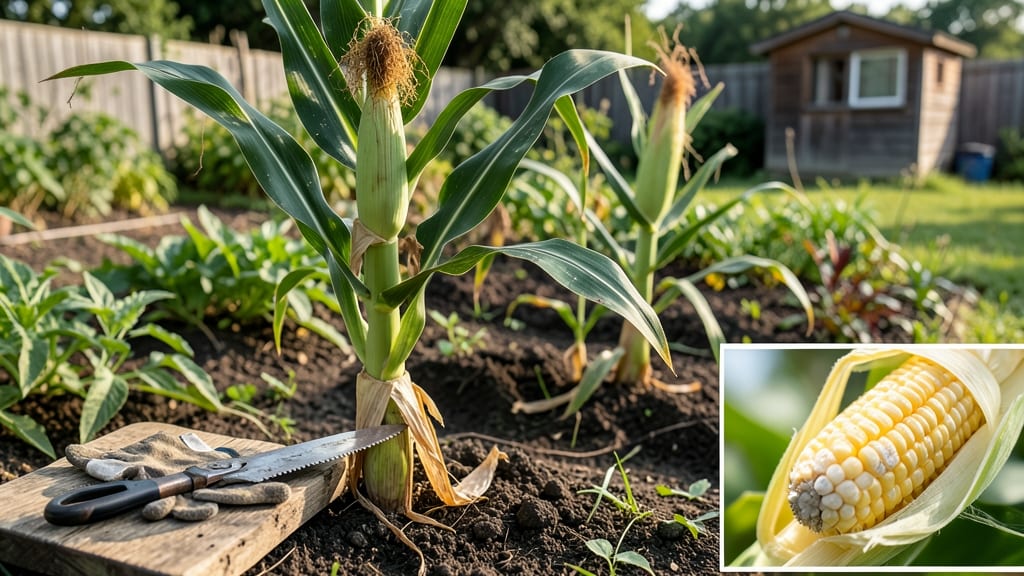
To pick corn from your garden at the perfect milk stage means the difference between sweet, juicy perfection and tough, starchy disappointment.
There’s nothing worse than biting into garden-fresh 🌽 only to find it tough, starchy, and lacking that sweet, juicy perfection—unless you know the exact moment to harvest it. Timing is everything when picking corn, and missing the window by even a day can turn your harvest from delicious to disappointing.
Most gardeners wait for the silks to turn brown, but that’s just the beginning. The real test is the kernel—press your fingernail into one. If it releases a milky liquid, you’ve got it.
Too early, and the ears are still hard; too late, and they’ll turn starchy or even start drying out.
In this guide, I’ll walk you through the visual cues, the best times of day to harvest, and how to handle corn that’s a little past or just shy of perfect. By the end, you’ll never second-guess when to pick corn again.


How to identify the perfect milk-stage for picking sweet corn
Sweet corn reaches its peak flavor at the milk stage, where kernels are tender, juicy, and packed with natural sweetness. This fleeting window—just a few days—determines whether your harvest tastes like summer perfection or disappointing starchy bites.
The milk stage isn’t just a term; it’s a precise moment when kernels ooze a milky liquid when pierced, signaling ideal ripeness. Missing it means tough, dry corn, while harvesting too early leaves you with underdeveloped, watery kernels.
To nail the milk stage, focus on three key visual and tactile cues: silk color, kernel moisture, and husks tightness. Silks should turn from bright green to tan or brown and dry out, while the husks remain snug against the ear.
Ignoring these signs is a common mistake—many gardeners pick too late, assuming bigger ears equal better flavor, only to end up with corn that’s past its prime. The milk stage is your golden ticket to restaurant-quality sweetness right in your backyard.
| Cue | Perfect Milk-Stage Sign | What to Do |
|---|---|---|
| Silk Color | Tan or brown, dry, and brittle | Check daily—silks turn brown 1-3 days before peak ripeness |
| Kernel Moisture | Milky white liquid when pierced | Use your fingernail to test 2-3 kernels per ear |
| Husk Tightness | Firm and snug around the ear | Loose husks signal overripe or drying corn |
| Ear Size | Plump and full (not shriveled) | Size alone isn’t enough—always test kernels |
| Sound | Light tapping sounds hollow | A dull thud means underripe or starchy corn |
The milk stage matters because that’s when corn’s natural sugars—like fructose and glucose—peak. After this window, starches convert into sugars, making corn sweeter but also tougher. For example, sugar-enhanced varieties like ‘Ambrosia’ or ‘Silver Queen’ rely on this stage for their signature sweetness.
If you’re growing heirloom or dent corn, the milk stage is even more critical, as these types lose sweetness faster once ripe. Test a few kernels by piercing them with your fingernail—if a milky liquid drips out, it’s time to harvest.
One of the biggest mistakes gardeners make is waiting for the silks to dry completely before picking. By then, the kernels may already be converting to starch, resulting in a mealy texture. Instead, harvest when silks are 70-80% brown—this gives you a 24-48 hour window to enjoy peak flavor.
Another pitfall is assuming all ears on a plant ripen at once. Corn ears mature from the top of the plant downward, so check multiple ears daily, especially in large patches. Pro tip: Mark your calendar 75-100 days after planting (depending on variety) as your target harvest window.
Regional factors can shift the milk stage timeline slightly. In hotter climates, like the Southeast, corn may ripen faster due to accelerated growth, while cooler northern regions might extend the window by a week or more.
For instance, in USDA Zone 5, I’ve found corn often hits the milk stage 10-14 days later than in Zone 9. Pay attention to your local first frost date too—if frost threatens before your corn is ready, prioritize harvesting ears closest to the milk stage first.
A general rule: harvest within 2-3 days of the milk stage to avoid starchy corn.
Don’t overlook the time of day when picking. Early morning is ideal because cooler temperatures slow sugar conversion, preserving sweetness. Avoid harvesting in the midday heat, which can stress the plant and accelerate starchy development.
Once picked, cool the ears immediately by soaking them in ice water for 10-15 minutes to lock in flavor. Store them in the fridge for up to 5-7 days, or blanch and freeze for long-term storage.
This post-harvest care is just as important as timing—skipping it can turn your perfect milk-stage corn into a sad, flavorless memory.
For a real-world example, last summer I planted ‘Peaches and Cream’ sweet corn and monitored the milk stage religiously. On the 82nd day, I tested an ear and found the kernels oozed a thick, creamy liquid—classic milk stage. I harvested it immediately and grilled it that evening.
The flavor was explosively sweet, with a tender crunch that disappeared within minutes of cooking. Compare that to an ear I picked two days later: the kernels were still plump but tasted starchy and bland. That’s the power of the milk stage in action.
If you’re new to growing corn, start with sugar-enhanced hybrids, which are more forgiving with timing. These varieties often stay sweeter for 2-3 extra days after the milk stage, giving you a buffer. Pair your planting with a harvest journal to track when your specific variety hits peak ripeness.
Note the day you planted, the first silk appearance, and the final milk-stage harvest. Over time, you’ll predict your corn’s schedule like clockwork. Remember, the milk stage is your one shot at summer’s sweetest flavor—don’t let it slip away!
🌽
Best practices for harvesting corn to maximize sweetness and storage life
Harvesting corn at the perfect moment transforms your garden into a sweet, juicy treasure trove. The difference between milky sweetness and starchy toughness often comes down to technique and timing. Once you master these harvesting best practices, you'll enjoy corn that tastes like summer all season long.
Timing your harvest correctly isn't just about waiting for the silks to brown—it's about understanding the ideal window for each variety. Sweet corn like 'Silver Queen' or 'Peaches and Cream' needs to be picked earlier than field corn varieties, which can stay on the stalk longer.
Knowing these differences ensures you never miss the sweet spot.
When to Pick Corn from Garden: Critical Timing Mistakes
Picking corn too early or too late ruins its flavor and texture. Sweet corn loses sweetness within 24 hours of harvest, while field corn can wait slightly longer. Never harvest when silks are still green—this means the kernels are underdeveloped. The milky stage (when kernels ooze white liquid when pierced) is your golden window.
Start your harvest in the early morning when temperatures are cool. This helps preserve the natural sugars in the kernels. Use a sharp knife or garden shears to cut stalks about 6 inches below the ear, leaving the husks intact.
For smaller gardens, twisting the ear gently until it snaps cleanly also works—but avoid pulling, which can damage the plant.
Once harvested, cool the corn immediately to slow sugar conversion. Place ears in a bucket of ice water for 10-15 minutes before husking. If you can't eat them right away, store them in the refrigerator (not the freezer) for up to 3-5 days.
For long-term storage, blanch and freeze the kernels—this preserves sweetness for months.
Sweet corn varieties like 'Ambrosia' or 'Bodacious' have the narrowest harvest window—typically 5-7 days—while field corn like 'Country Gentleman' can stay on the stalk for 2-3 weeks. Check the kernel color and silk dryness daily during peak season to avoid missing the sweetest window.
After harvesting, remove the husks and trim the silk base, but save the husks—they’re perfect for wrapping corn on the cob. For storage, keep ears in a paper bag in the fridge.
If you're canning or freezing, process within 24 hours of harvest for the best flavor. With these tips, your corn will stay sweet and fresh long after the garden season ends.