
How To
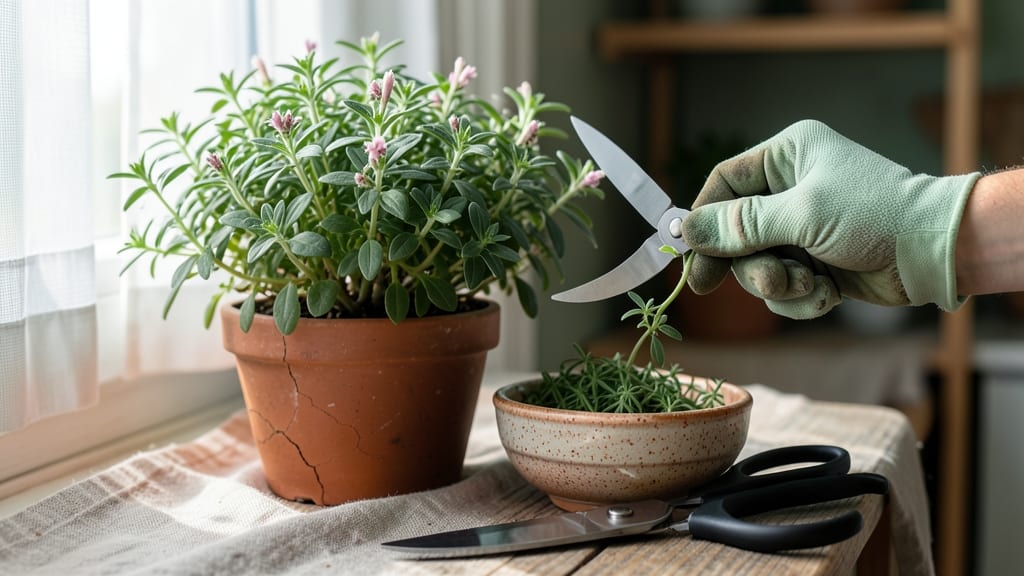
To harvest oregano so it keeps growing, focus on timing and technique—never take more than one-third of the plant at once, and always cut just above a leaf node.
Oregano is one of the hardiest and most rewarding herbs to grow—but if you harvest it wrong, you’ll stunt its growth and risk losing your bush entirely.
The secret to a thriving oregano plant lies in strategic pruning and timing, ensuring you get fresh leaves while keeping your plant lush and productive for years.
You might think snipping off the top leaves is enough, but proper cutting angles and seasonal adjustments make all the difference. For example, harvesting in late spring encourages bushier growth, while summer cuts should focus on flowering stems to preserve flavor.
Below, I’ll walk you through the exact methods to prune oregano for thicker, longer-lasting plants, including when to stop cutting before winter and how to revive leggy growth. Ready to keep your 🌿 thriving?


Best time and method to harvest oregano without killing the plant
Harvesting oregano at the right time ensures you get the most flavorful leaves while keeping your plant healthy and productive. The best time to harvest is spring through early fall, when the plant is actively growing.
If you wait until late fall or winter, your oregano may enter dormancy, making regrowth difficult. Aim for mornings after the dew has dried to preserve essential oils and flavor.
Never harvest more than one-third of the plant at once, or you risk shocking the oregano and stunting its growth. For example, if your plant is 12 inches tall, only trim 4 inches of stems.
This rule keeps your oregano bushy and encourages new growth. Always use clean, sharp pruners to avoid damaging stems and spreading disease.
How to Harvest Oregano for Continued Growth
- 1 Wait until your oregano is at least 6 inches tall—this ensures the plant has enough energy to regrow. Look for dark green, aromatic leaves as a sign of readiness.
- 2 Select stems near the base for the first harvest. Cut just above a leaf node or pair of leaves (where new growth emerges) to encourage branching. Avoid cutting into woody stems.
- 3 Use clean pruners or scissors to make a 45-degree angle cut about ¼ inch above the leaf node. This prevents water from pooling and reduces disease risk.
- 4 Harvest in stages—never take more than one-third of the plant at a time. For example, if your oregano is 18 inches tall, trim only 6 inches of stems total.
- 5 Water deeply after harvesting to help the plant recover. Use 1 inch of water per week during dry spells, and avoid wetting the leaves to prevent fungal issues.
- 6 Fertilize lightly 2 weeks after harvesting with a balanced 10-10-10 fertilizer to promote regrowth. Apply in the morning to avoid burning the leaves.
After harvesting, your oregano should show new growth within 2-3 weeks if conditions are right. If you notice yellowing leaves or slow regrowth, it may be due to over-harvesting or poor soil.
In this case, reduce future cuts and amend the soil with compost or organic matter to improve nutrients.
For container-grown oregano, harvest slightly less frequently than in-ground plants since they have limited root space. Prune container oregano every 4-6 weeks instead of every 3-4 weeks to avoid stressing the plant. Always check the soil moisture—containers dry out faster and require more frequent watering.
If your oregano starts to flower, it’s time to harvest more aggressively to maintain flavor. Flowers signal the plant is shifting energy toward seed production, which reduces leaf potency. Trim flowering stems first, then proceed with regular harvesting to encourage more leafy growth.
One common mistake is harvesting too late in the season, which can weaken the plant before winter. Stop harvesting by mid-to-late fall (around September or October, depending on your climate) to allow the oregano to harden off for dormancy.
Mulch around the base with 2-3 inches of straw or leaves to protect it from freezing temperatures.
With the right harvesting techniques, your oregano will stay lush and productive for years. The key is balance—take enough leaves for your needs, but always leave the plant with enough foliage to thrive. Happy harvesting! 🌿✂️
How to prune oregano for thicker growth: year-round care tips
Pruning your oregano plant isn't just about harvesting—it's the key to encouraging thicker, bushier growth that stays productive for years. Unlike many herbs, oregano thrives when you shape it regularly, but timing and technique matter.
Cut too much or at the wrong time, and you'll end up with leggy, sparse stems instead of a lush, flavorful bush. The good news?
With a few simple seasonal adjustments, you can keep your oregano looking like a dense, aromatic carpet instead of a sad, straggly shadow of its former self.
I've learned the hard way that seasonal pruning makes all the difference. In spring, you're encouraging new growth, while summer pruning keeps the plant compact and flavorful. Fall and winter require a gentler touch to prepare the plant for dormancy.
Let's break down exactly how to prune your oregano in each season to get that perfect bushy shape while avoiding common mistakes that leave your plant looking half-dead.
⚠️ Warning: These Pruning Mistakes Will Kill Your Oregano's Growth
Over-pruning in one session removes too many leaves, leaving your plant stressed and unable to recover. Wrong cutting tools (like dull scissors) crush stems instead of making clean cuts, inviting disease. And pruning in winter when the plant is dormant can prevent spring regrowth. The golden rule: never remove more than 1/3 of the plant in a single session, and always use sharp, clean pruners or scissors.
Let's start with spring pruning, which is all about stimulating new growth. After the last frost, inspect your oregano and look for any dead or damaged stems from winter. These should be your first to go—simply snip them at the base.
Then, trim back any overly long stems by about one-third to encourage branching. This is also the perfect time to shape your plant by cutting back any stems that are growing too tall or leggy.
The goal is to create an open, airy structure that allows sunlight to reach all parts of the plant, which is crucial for even growth.
During summer months, your focus shifts to maintaining shape and flavor. Oregano grows quickly in summer, so I recommend light pruning every 4-6 weeks to prevent it from becoming too woody.
Always cut just above a leaf node (where leaves grow from the stem) to encourage new shoots to form. Avoid cutting into old, woody stems—they won't regrow. For container-grown oregano, a little more frequent trimming helps keep the plant compact.
And here's a pro tip: harvest regularly during summer by snipping the top 2-3 inches of stems—this encourages bushier growth and keeps the flavor strong.
Fall pruning is more about preparing for winter dormancy than encouraging growth. Once temperatures start dropping and your oregano begins to slow down, give it a light trim to remove any yellowing or dead leaves.
Avoid heavy pruning now, as the plant needs all its energy to store nutrients for spring. If you're in a colder climate, you might want to reduce watering and let the plant go dormant naturally.
In milder areas, a light haircut keeps the plant looking tidy without stressing it. Mulch around the base to insulate roots and protect against frost.
Winter care is often overlooked, but it's crucial for long-term plant health. In most climates, oregano enters dormancy, so avoid pruning entirely unless you see dead or diseased branches. Instead, focus on protecting your plant from harsh conditions.
If you're growing oregano in containers, move pots to a sheltered location or wrap them in burlap for extra protection. For in-ground plants, a thick layer of mulch (2-3 inches) helps regulate soil temperature.
This is also the perfect time to plan your spring pruning strategy, so you're ready to jump into action as soon as warm weather arrives.
Remember, the tools you use matter just as much as the timing. Always use clean, sharp pruners or scissors to make clean cuts. Dull tools crush stems, making them more susceptible to disease and rot.
After each pruning session, sterilize your tools with rubbing alcohol to prevent the spread of pathogens. And if you're struggling with leggy growth, try pinching back the tips of new shoots with your fingers instead of cutting—this encourages the plant to branch out naturally.
With these seasonal tips, your oregano will reward you with thick, flavorful growth all year round.