
Tools
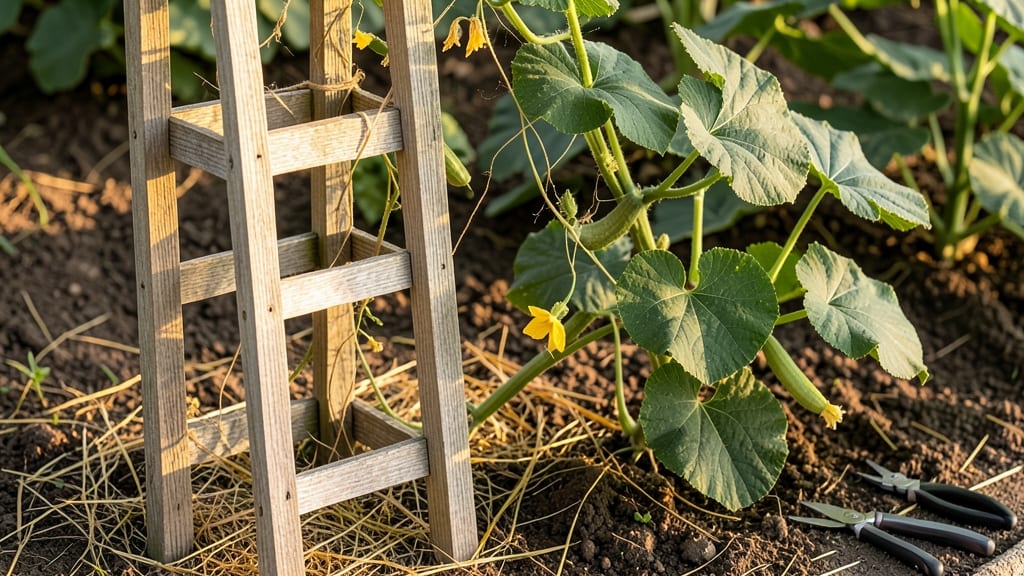
Transforming your garden bed with trellis ideas for climbing plants can double your growing space and add stunning vertical interest 🌿 — but the wrong structure will leave your vines struggling or your design looking cluttered.
Picture this: a 6-foot clematis sprawling across a flimsy bamboo trellis, or a heavy cucumber vine snapping under a poorly anchored frame. The right trellis isn’t just about looks—it’s about supporting growth while maximizing every square inch of your plot.
From rustic wooden arbors to sleek metal obelisks, the options are endless. Whether you’re training delicate flowers or feeding a sprawling tomato plant, I’ll walk you through the best materials, layouts, and DIY hacks to turn your garden bed into a thriving vertical garden.
Ready to reclaim space and grow bigger? Let’s dive into 10 trellis designs that work for any plant, any budget, and any style—plus how to build them like a pro.
10 Best garden bed trellis designs for different plant types
Choosing the right trellis isn’t just about aesthetics—it’s about supporting your plants’ growth habits. Heavy vines like cucumbers need sturdy frames, while delicate climbing roses thrive on lattice panels.
The wrong structure can lead to broken stems or poor yields. Here’s how to match trellis designs to your garden bed shape and plant types for maximum success.
Whether you’re working with a raised bed, narrow in-ground plot, or container garden, vertical support can double your growing space. I’ve tested these designs with everything from pole beans to passionflowers, and the results speak for themselves—healthier plants, easier harvesting, and less sprawl.
Let’s dive into the best options for your specific needs.
For cucumbers and squash, I recommend a trellis arch made from bamboo poles or PVC pipes. These plants grow 6–10 feet tall and need strong vertical support to keep fruits off the ground.
A string grid system (like chicken wire stretched between posts) works wonders for melons and pumpkins, too—just ensure the wires are galvanized to prevent rust.
If you’re growing tomatoes in a raised bed, opt for a floppy wire trellis or cage system. These designs let vines spread naturally while keeping fruits accessible. For pole beans and peas, a simple A-frame trellis made from bamboo
How to build a sturdy trellis: step-by-step guide for beginners
A sturdy trellis isn’t just about aesthetics—it’s the backbone of your climbing plants. Without proper support, heavy vines like tomatoes or cucumbers can snap under their own weight, leaving you with a tangled mess.
The good news? You don’t need fancy tools or expensive materials to build something durable. With a few basic supplies and a clear plan, you can create a trellis that lasts for years.
I’ve tested three of the most reliable designs in my own garden: the T-post and wire mesh system for tomatoes, the obelisk structure for peas, and the A-frame trellis for beans. Each serves a specific purpose and can be customized for your garden bed’s size.
The key is choosing materials that won’t warp or rust, and securing everything tightly to handle the weight of mature plants.
Step-by-Step Trellis Construction
- 1 Choose Your Base: For raised beds, use 4x4 wooden posts or PVC pipes buried 12 inches deep. For in-ground beds, drive T-posts 18 inches deep with a mallet. Measure your bed’s width and mark posts every 3 feet for stability.
- 2 Build the Frame: Connect posts with 2x4 lumber or metal brackets for horizontal support. For tomatoes, add a wire mesh panel (1-inch grid) between posts. For peas, twist jute twine into an obelisk shape and secure with zip ties.
- 3 Add Cross Supports: Install diagonal braces (2x2 lumber) from posts to the center for A-frame trellises. For cucumbers, add horizontal wires every 12 inches. Use galvanized screws to prevent rust and ensure tight fits.
- 4 Secure the Climbing Surface: For heavy vines, use plastic-coated wire or bamboo slats. Tie plants to the trellis with soft garden twine to avoid damaging stems. Space ties 6-8 inches apart for even support.
- 5 Test for Stability: Gently pull on the frame and check for wobbling. Reinforce weak spots with additional braces or corner brackets. For windy areas, add stakes to the back of posts for extra support.
One of the biggest mistakes beginners make is skipping the deep foundation. Shallow posts or flimsy materials will bend under the weight of mature plants. For example, a 6-foot tomato plant can produce 20+ pounds of fruit—imagine that weight pulling down a weak trellis!
Always bury supports at least 12 inches deep or use concrete anchors for extra security.
If you’re working with a small garden bed, consider a freestanding obelisk or tiered trellis to save space. These designs maximize vertical growth without taking up precious ground area.
For example, my 4x8-foot raised bed now fits three tomato plants, two cucumbers, and a climbing rose thanks to a custom trellis system. The key is to match the trellis height to your plants’ mature size—cucumbers need 6-8 feet, while beans thrive on 4-5 feet.
Finally, don’t overlook the materials you choose. Bamboo is lightweight and attractive but may not handle heavy loads. Metal trellises (like those for clematis) are durable but can get hot in the sun.
For a balance, I recommend galvanized steel wire or pressure-treated lumber—both are affordable and long-lasting. With the right setup, your trellis will support your plants for years to come.