
How To
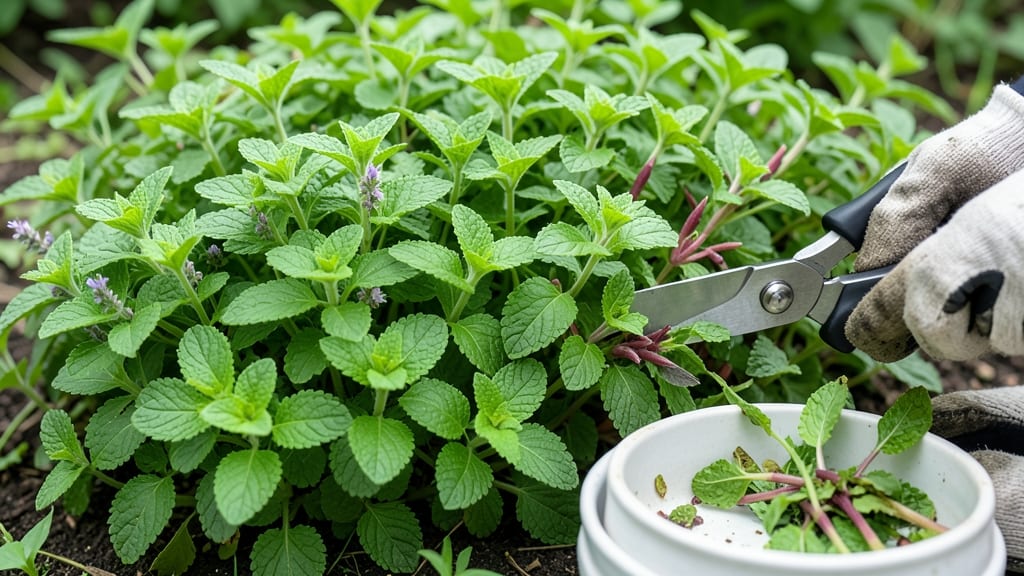
Harvesting mint without killing the plant starts with the right technique — a few simple cuts can actually make your 🌿 bushier and more productive if you do it correctly.
Struggling to keep your mint plant alive after harvesting? You’re not alone — many gardeners accidentally stunt growth by pruning too much or at the wrong time. The key is cutting from the top, never more than a third of the plant, and always before flowering begins.
This method works for both container and garden mint, and it ensures your plant stays lush and aromatic all season. Below, I’ll walk you through the exact steps, from timing to tools, so you can enjoy fresh mint without sacrificing your plant’s health.
You’ll also discover how to revive a stressed plant after harvesting, avoid common mistakes, and keep your mint thriving for years to come.


The right way to harvest mint: step-by-step cutting technique
Harvesting mint the wrong way can turn your lush plant into a sad, leggy shadow—but it doesn’t have to be that way. The key is using the trim-and-regrow method, where strategic cuts encourage faster, bushier growth instead of weakening your plant.
Unlike other herbs, mint thrives on regular pruning, but timing and technique matter more than you might think.
I’ve learned the hard way that cutting too much at once or harvesting at the wrong time can stress mint plants, leading to woody stems or even dieback. The solution? Follow a 1/3 rule: never remove more than one-third of the plant’s foliage in a single harvest.
This keeps your mint healthy, productive, and ready for your next batch of homemade tea or cocktails.
Here’s how to harvest mint the right way—without killing your plant—and keep it growing strong for months to come.
- 1 Choose the right time: Harvest mint in the morning after dew has dried but before the sun peaks. This ensures the highest oil concentration and prevents wilting. Avoid harvesting when the plant is flowering, as this reduces flavor and energy.
- 2 Select healthy stems: Look for stems that are 4-6 inches tall with at least 6-8 sets of leaves. Cut just above a leaf node (where leaves meet the stem) using clean, sharp scissors or pruning shears. This encourages new growth from the node below.
- 3 Follow the 1/3 rule: Never cut more than one-third of the plant’s foliage at once. For example, if your mint plant has 24 stems, harvest no more than 8 stems in a single session. This prevents stress and allows the plant to recover quickly.
- 4 Use the right tools: Dull scissors can crush stems and cause damage. Invest in a pair of sharp pruning shears or clean kitchen scissors. Sterilize your tools with rubbing alcohol before and after use to prevent disease.
- 5 Harvest seasonally: Mint grows best in spring and summer. Plan to harvest every 4-6 weeks during these seasons. In fall and winter, reduce harvesting to avoid stressing the plant as it enters dormancy.
- 6 Revive after harvest: After cutting, water your mint plant deeply to help it recover. Add a light fertilizer (5-10-10 NPK) if you’re harvesting frequently to replenish nutrients. Place the plant in bright, indirect light to encourage regrowth.
One of the biggest mistakes I see is harvesting mint from the bottom of the plant. This leaves long, bare stems and weakens the plant’s structure. Instead, always cut from the top or middle to maintain a full, bushy shape.
Think of it like giving your mint a haircut—you’d never shave the sides and leave the top long, right?
For container-grown mint, the same rules apply, but be extra cautious. Since container plants have limited root space, over-harvesting can stress them faster. If your mint is in a pot, consider dividing the plant every 1-2 years to refresh growth and prevent root-bound stress.
Pro tip: If your mint starts to bolt (send up flower spikes), cut those off immediately. Flowering reduces the plant’s energy for leaf production, and the flavor becomes bitter. By removing flower stems early, you’ll keep your mint flavorful and lush for longer.
With these steps, your mint plant will reward you with year-round harvests, vibrant growth, and a steady supply of fresh leaves for all your favorite recipes. Happy harvesting!
Common harvesting mistakes that kill mint plants (and how to avoid them)
Harvesting mint wrong can turn your thriving plant into a sad, leggy shadow of its former self. I’ve seen over-pruning reduce mint to bare stems and wrong cutting angles stunt regrowth completely. The key is balance—cutting just enough to encourage bushier growth without shocking the plant.
One of the biggest mistakes is harvesting more than 1/3 of the plant at once. Mint is a fast grower, but even it can’t recover from aggressive trimming. Another common error is cutting stems too close to the base, which exposes the plant to rot and pests.
Always leave at least 2-3 inches of stem above the soil.
Here’s the worst offense: harvesting flowering stems first. When mint bolts, it focuses energy on seeds instead of leaves. Snip those flower buds immediately to keep your plant producing lush, aromatic foliage. Ignoring this step leads to bitter-tasting leaves and slower regrowth.
- Cutting more than 1/3 of the plant at once stunts regrowth
- Using dull scissors crushes stems, inviting disease
- Harvesting flowering stems first wastes energy on seeds
- Ignoring soil moisture after cutting causes stress
Don’t forget about seasonal timing. Harvesting mint in late summer or early fall stresses the plant as it prepares for dormancy. Stick to spring and early summer for the best regrowth. Also, avoid harvesting after fertilizing—wait at least 2-3 weeks to let nutrients absorb before cutting.
Leggy mint often signals light deprivation or overcrowded roots. If your plant stretches toward light, move it to a brighter spot (but avoid harsh afternoon sun). For container-grown mint, check if roots are circling the pot—transplanting to a larger container can revive growth instantly.
To recover a struggling mint plant, focus on soil health and consistent care. Mix compost into the soil, water deeply once a week, and pinch back any leggy stems. Within 4-6 weeks, your mint should bounce back with fresh, vibrant growth—ready for another harvest.