
Vegetables
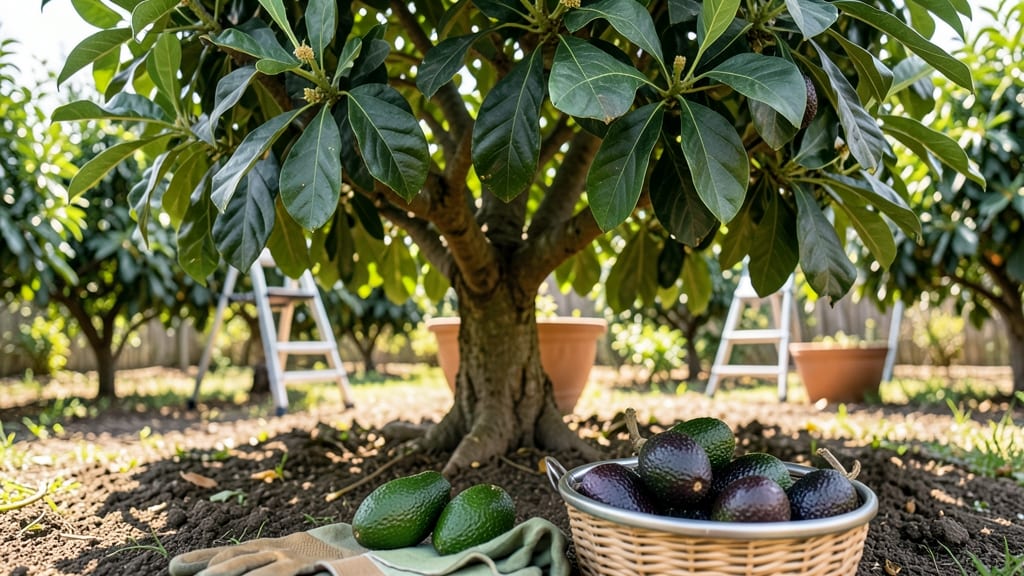
Knowing the harvest time for avocados is the difference between creamy perfection and a mealy disappointment—especially when you’ve waited months for that 🥑 to ripen just right.
Picking avocados at the perfect moment can feel like guessing, but it doesn’t have to be. Too early, and you’re left with bland, underripe fruit; too late, and you’re stuck with mushy, overripe pulp.
The good news? With 5 simple tactile tests, you can tell exactly when an avocado is ready to harvest—whether it’s hanging on your tree or sitting on the grocery shelf.
From checking stem resistance to testing skin texture, these methods work for Hass, Fuerte, and other varieties, no matter if you’re in Zone 10-11 or growing indoors year-round.
I’ll walk you through each test so you can confidently pick avocados at their peak—no more second-guessing, just perfect fruit every time.
Ready to master the art of harvesting? Let’s dive into the science-backed tricks that’ll have you picking avocados like a pro, whether you’re a backyard gardener or a grocery shopper.

5 Tactile tests to determine avocado harvest time
Harvesting avocados at the perfect moment transforms a bland, mealy disappointment into a creamy, buttery masterpiece. The key lies in your hands—literally! Avocados don’t ripen like bananas on the counter; they need to be harvested at the right maturity stage based on tactile cues and visual signals.
Whether you’re plucking fruit from your backyard tree or selecting the best avocados at the grocery store, these 5 science-backed tests will ensure you never guess again.
Avocado ripeness is all about balance: the fruit must be fully grown but not overripe. Unlike many fruits, avocados don’t soften significantly after harvest, so timing is everything. Hass avocados (the most common variety) change from dark green to black as they mature, but color alone isn’t enough.
That’s where touch comes in. By combining stem resistance, fruit pressure, and skin texture tests, you’ll pinpoint the ideal harvest window with confidence.
Gently grasp the avocado’s stem between your thumb and forefinger. A ready-to-harvest avocado will wiggle slightly when twisted gently—almost like a loose tooth. If it resists, wait a few days.
Press your fingertip firmly into the avocado’s skin. If it yields slightly (like pressing a ripe peach) but doesn’t dent deeply, it’s harvest-ready. A hard fruit needs more time; a mushy one is overripe.
Run your fingers over the avocado’s skin. Ready avocados feel slightly rough or bumpy (like a textured golf ball). Smooth skin means it’s too early; leathery or wrinkled skin signals overripeness.
Hold the avocado in your palm—it should feel heavy for its size. A light fruit is underripe; a heavy avocado (especially for its length) is packed with oil and ready to harvest.
For Hass avocados, check for black or dark purple patches on the skin. These areas indicate sun exposure and maturity. If the fruit is still mostly green, it needs more time on the tree.
Pro tip: Combine these tests for accuracy. For example, a Hass avocado with a wiggly stem, slight give under pressure, and dark patches is almost certainly ready. If you’re harvesting from your tree, use a clean, sharp pruner to avoid damaging the branch.
Cut about 1 inch from the stem to prevent the fruit from absorbing moisture and spoiling prematurely.
For grocery store avocados, these tests work just as well. Skip the firm, unyielding ones—they’re likely underripe and won’t improve much at home. Instead, opt for fruits that pass at least three of the five tests.
Place them in a paper bag with a banana (the ethylene gas speeds ripening) and check them daily. Within 2-3 days, you’ll have the perfect avocado for toast, guacamole, or smoothies.
Remember, avocados ripen best at room temperature. Refrigeration slows the process, so only chill them once they’re ripe to preserve freshness. If you’re growing your own tree, harvest in the morning when the fruit is cool and firm.
This gives you the longest shelf life and the best flavor. With these tactile tests, you’ll never second-guess avocado ripeness again!
🌱
When to harvest avocados: seasonal timing by variety
Timing your avocado harvest correctly depends on both variety and climate conditions. While Hass avocados dominate grocery shelves, other varieties like Fuerte and Bacon have distinct seasonal windows. Coastal regions often enjoy extended harvests, while inland areas may experience earlier or later seasons due to temperature fluctuations.
Understanding these differences ensures you pick avocados at peak ripeness—when they’re creamy, flavorful, and free from mealiness. Let’s break down the ideal harvest windows for popular varieties and how to adjust for your specific growing conditions.
| Variety | Primary Harvest Window | Coastal Adjustment | Inland Adjustment |
|---|---|---|---|
| Hass | Year-round (peaks fall-winter) | Extend 2-3 months earlier | Delay 1-2 months |
| Fuerte | Late spring to early summer | Shift 1 month earlier | Shift 1 month later |
| Bacon | Early summer to fall | Extend harvest 1 month | Harvest ends 1 month early |
| Reed | Summer to early fall | Peak 2 weeks earlier | Peak 2 weeks later |
For Hass avocados, the most popular variety, harvest timing spans nearly the entire year in frost-free zones. However, coastal areas often see earlier harvests due to milder winters, while inland regions may experience delayed ripening.
If you’re in a Zone 9 or 10, you can expect Hass avocados to ripen consistently year-round, but they’ll peak during fall and winter months.
In contrast, Fuerte avocados thrive in warmer climates and typically ripen between late spring and early summer. These avocados are prized for their buttery texture and rich flavor, making them ideal for fresh eating.
If you’re growing Fuerte in a cooler microclimate, consider planting near a south-facing wall to extend the harvest window by a few weeks.
For Bacon and Reed varieties, harvest timing shifts slightly later in the season. Bacon avocados, known for their thick, creamy flesh, ripen from early summer to fall, while Reed avocados follow a similar schedule but with a slightly earlier peak.
Both varieties benefit from consistent moisture and full sun exposure to reach optimal ripeness.
Adjusting for early or late seasons depends on your local climate. If your area experiences unusually hot summers, avocados may ripen faster—monitor fruit size and skin color closely. Conversely, cooler temperatures can delay ripening, so be patient and check for the gentle give when pressed.
With these variety-specific guidelines, you’ll harvest avocados at their peak flavor and texture every season. 🥑