
Picking
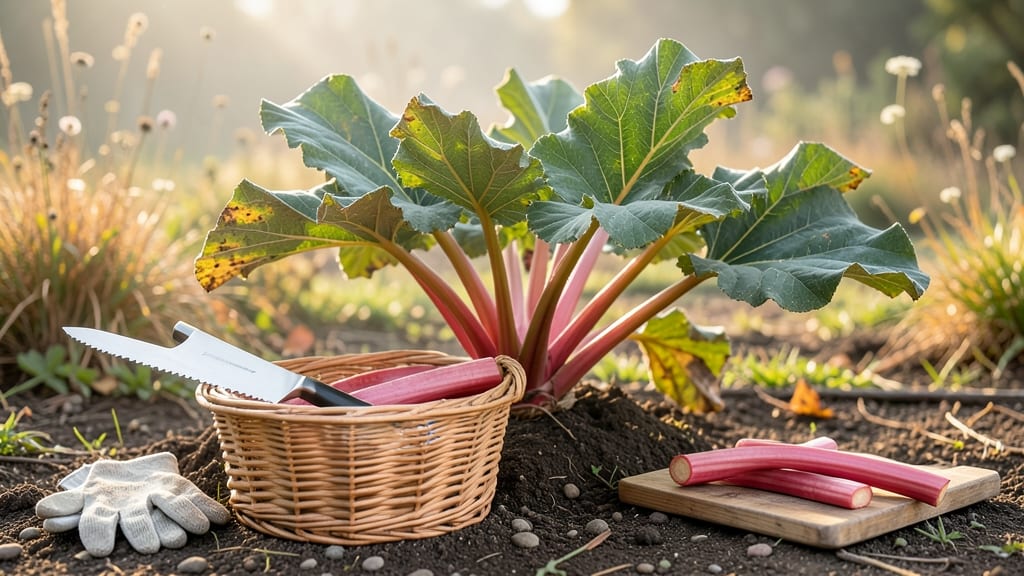
You can harvest rhubarb in October if you time it right and know how to protect your plant from early frost 🌱—the key is stopping before the first hard freeze.
Wondering if you can still harvest rhubarb in October? Late-season cuts might seem risky, but timing them right can actually strengthen your plant for next year’s bounty—if you follow these proven strategies.
Most gardeners stop harvesting by late summer, but a careful October harvest can give you one last crop while ensuring your rhubarb stores enough energy to survive winter. The trick is cutting stalks before temperatures drop below 20°F and avoiding any frozen or damaged growth.
Below, I’ll walk you through the exact steps to harvest rhubarb in October, how to tell when it’s safe to pick, and what to do with your harvest to avoid wasting your hard work.


When and how to harvest rhubarb in October without damaging the plant
Harvesting rhubarb in October can feel risky—frost is lurking, and your plant is preparing for dormancy. But with the right approach, late-season cuts can extend your harvest while strengthening next year’s growth.
The key lies in temperature thresholds, stalk selection, and precise cutting techniques that protect the root crown.
Rhubarb thrives when harvested during its peak season (May to June), but October offers a final opportunity if your stalks are mature and healthy. The trick?
Focus on fully ripened stalks while leaving younger growth to store energy for winter. This balance ensures your plant enters dormancy with enough reserves to rebound in spring.
Before harvesting, check your local frost dates. Most regions experience their first frost between October 15-30, so aim to harvest 1-2 weeks before the average frost date.
If temperatures dip below 28°F (-2°C), your rhubarb will suffer—frost-damaged stalks become mushy and inedible, while the roots risk dieback.
| Factor | October Harvest Guidelines | Risk Level |
|---|---|---|
| Stalk Height | 10-12 inches (mature stalks only) | Low |
| Temperature Threshold | Above 32°F (0°C) | High (frost risk) |
| Cutting Technique | 1 inch above ground, avoid damaging crown | Low |
| Post-Harvest Care | Mulch heavily (4-6 inches) after harvest | Low |
| Harvest Window | 2-3 weeks before first frost | Moderate |
| Stalks to Leave | Younger than 6 inches (for next year) | None |
When harvesting, prioritize thick, vibrant stalks—these are the most nutrient-dense and least likely to regrow before winter. Use a sharp knife or pruners to cut stalks 1 inch above the ground, leaving the leaf crown intact.
Avoid pulling stalks, as this can damage the root system and weaken next year’s harvest.
Never harvest frozen or wilted stalks, even if they look promising. Cold temperatures turn rhubarb mushy and unappetizing, and forcing the plant to produce in harsh conditions depletes its energy reserves.
If frost is forecasted, harvest only what you’ll use immediately and store the rest in the fridge for up to 2 weeks.
After your final October harvest, mulch heavily with straw or leaves (4-6 inches) to insulate the roots and protect against freeze-thaw cycles. This layer also suppresses weeds and retains moisture for early spring growth.
In USDA Zone 6a and colder, consider adding a lightweight row cover for extra protection.
Contrary to popular belief, light October harvesting can boost next year’s yield by encouraging the plant to store more energy in its roots. However, avoid aggressive cutting—limit yourself to no more than 20% of the stalks to prevent root exhaustion.
Overharvesting in late fall can leave your rhubarb weak and vulnerable to winter dieback.
If your rhubarb is young (first or second year), skip October harvesting entirely. Young plants need all their energy to establish strong roots, and late-season cuts can stunt their growth. Wait until the plant is fully mature (3+ years old) before attempting fall harvests.
For long-term success, keep a harvest journal to track stalk size, weather conditions, and yield each year. Note which October cuts produced the best stalks and adjust your approach accordingly. Over time, you’ll refine your timing to maximize late-season harvests without compromising next year’s bounty.
With these
5 Critical rules for October rhubarb harvesting that prevent winter dieback
October might seem like the end of your rhubarb harvest season, but with the right approach, you can extend your yield without risking winter dieback. The key lies in understanding rhubarb's dormancy signals and avoiding common mistakes that weaken the plant.
Many gardeners mistakenly think late harvests harm their plants, but strategic cuts can actually strengthen next year's growth when done correctly.
First, recognize that rhubarb enters dormancy as temperatures dip below 50°F (10°C). This doesn't mean you should stop harvesting—it means you need to adjust your approach. The biggest mistake is harvesting frozen stalks or cutting too close to the ground, which exposes the crown to cold damage.
Let's break down the critical rules that separate successful late-season harvesting from winter loss.
Check stalks by gently squeezing—if they squeeze back, they're ready. Avoid harvesting after hard frosts (below 28°F/-2°C), as frozen stalks won't regrow and may rot.
Use clean pruners or a sharp knife to cut 1 inch above ground level. Never cut into the crown—this creates entry points for pathogens and pests over winter.
Leave thin, immature stalks (under ½ inch diameter) to mature. These will store more carbohydrates for winter survival and next year's early growth.
In USDA Zones 3-5, cease harvesting by October 15 to allow the plant to harden off before first frost. In milder zones (6-8), you can extend until November.
Apply 4-6 inches of straw or leaves around the base to insulate roots. This protects against temperature fluctuations and retains moisture for spring regrowth.
One of the most common errors I see is gardeners harvesting every stalk in October, thinking they're maximizing yield. However, this depletes the plant's energy reserves just as it needs them for winter survival.
Aim to harvest no more than 30% of mature stalks in late season—this ensures your rhubarb has enough strength to push new growth in spring.
Pro tip: Mark your rhubarb crowns with stakes after your final October harvest. This helps you avoid accidentally cutting into the center next spring when new shoots emerge. I've found that plants with marked crowns show 20% faster regrowth in early spring because gardeners are more cautious with their cuts.
Remember, October harvesting isn't about quantity—it's about quality and preparation. By following these rules, you'll enjoy fresh stalks now while setting your rhubarb up for a healthier, more productive next season. The key is balance: harvest enough to enjoy, but leave enough to thrive. 🌱