
How To
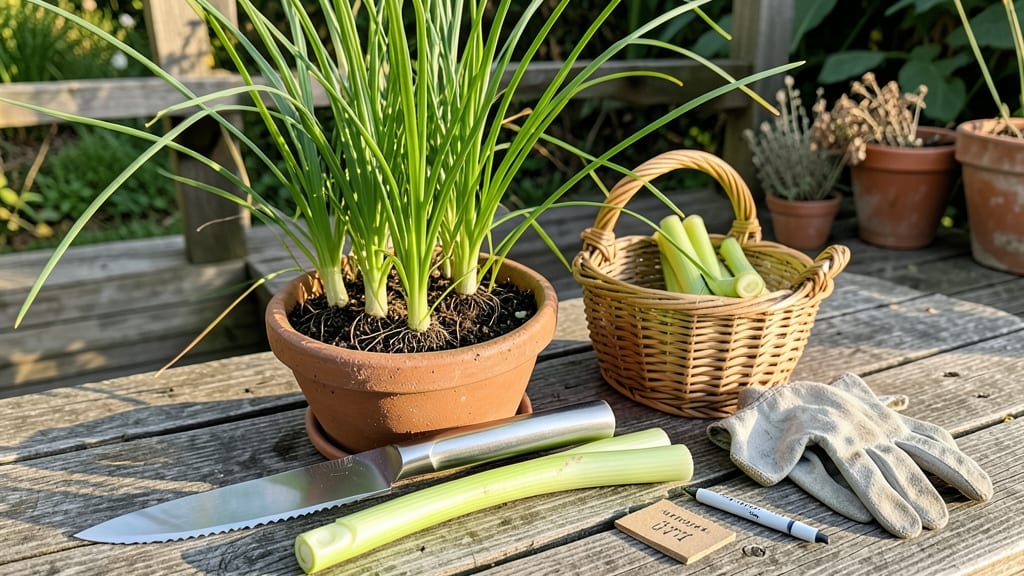
To harvest lemongrass at its peak flavor, focus on stems that are 12-18 inches tall and still firm—this is when the fragrant oils are most concentrated 🌿.
Picture this: you’ve spent months nurturing your lemongrass, only to chop it down too early or too late, leaving your curry or tea tasting bland. The secret? A simple stem twist test—gently twist a stalk near the base.
If it bends but doesn’t snap, it’s ready. If it snaps easily, wait a few more weeks.
Timing isn’t just about taste—it’s also about keeping your plant healthy. Harvesting too much at once or too often can stress the plant, slowing down regrowth.
Below, I’ll walk you through the exact steps to cut stems properly, how often to harvest, and the best ways to store your fresh bounty so you always have it on hand.
Whether you’re a beginner or a seasoned gardener, these techniques will help you maximize your yield without sacrificing your plant’s long-term health. Let’s get started!


When to harvest lemongrass: the stem twist test & growth stages
Harvesting lemongrass at the right time ensures maximum citral oil potency—the aromatic compound that gives it that signature zesty flavor. Too early, and the stems are woody and bland; too late, and the plant shifts energy to flowering, reducing oil content.
The key is timing your harvest between 12 to 18 inches tall, when the plant is at peak vigor but hasn't yet bolted.
I’ve learned the hard way that flowering lemongrass loses up to 50% of its essential oils, so I always monitor my plants closely. The stem twist test is my go-to method to check readiness—it’s simple, foolproof, and requires no special tools.
Pair this with visual cues like fully unfurled leaves and a thick, firm base, and you’ll never miss the perfect harvest window again.
Here’s the breakdown of what to watch for at each growth stage, from seedling to mature plant:
| Growth Stage | Height | Leaf Color | Stem Twist Test | Harvest Readiness |
|---|---|---|---|---|
| Seedling | 0-6 inches | Light green, tightly furled | Stem snaps easily (not ready) | ❌ Not ready |
| Vegetative | 6-12 inches | Medium green, partially unfurled | Stem bends but doesn’t twist (wait) | ⚠️ Near ready |
| Mature (Peak) | 12-18 inches | Deep green, fully unfurled | Stem twists easily with slight resistance | ✅ Ready to harvest |
| Late Stage | 18+ inches | Yellowing or flowering | Stem twists with no resistance (too late) | ❌ Overripe |
The stem twist test works because mature lemongrass stems contain higher concentrations of citral oil in their fibrous vascular bundles. When you gently twist a stem near the base, the fibers should separate with a slight crackling sound—this indicates peak oil content.
If the stem snaps cleanly or feels hollow, it’s either too young or past its prime.
I always harvest my lemongrass in the morning, right after dew has evaporated but before the sun intensifies. This preserves the volatile oils that evaporate quickly in heat.
Pro tip: Use a sharp pruning shears to cut stems about 1-2 inches above a node, where new growth will sprout. This encourages regrowth and keeps your plant productive for months.
After harvesting, I’ve noticed that my plants enter a 4-6 week regrowth cycle before reaching harvestable size again. During this time, I focus on watering deeply and applying a balanced fertilizer (like 10-10-10) to support rapid leaf production.
Skipping this step can lead to stunted growth and lower oil potency in subsequent harvests.
One common mistake I see is harvesting too many stems at once, which stresses the plant. As a rule, I never remove more than 30% of the stems in a single harvest. For example, if your plant has 10 mature stems, limit yourself to 3.
This ensures the plant has enough energy to recover and continue producing high-quality lemongrass for your next batch of homemade remedies or dishes.
Seasonal timing also matters. In USDA Zones 9-11, lemongrass grows year-round, so I harvest every 4-6 weeks. In cooler zones (like Zone 8), I wait until after the last frost (around March 15) and stop harvesting by November 15 to avoid winter dieback.
Always check for flower buds—if you spot them, harvest immediately, as flowering marks the end of the plant’s prime oil-producing phase.
To maximize your yield, I recommend keeping a harvest journal. Note the date, stem height, and how easily the stem twisted. Over time, you’ll spot patterns in your plant’s growth cycle.
For instance, I’ve found that my lemongrass regrows faster in summer months due to longer daylight hours, so I harvest more frequently then.
Finally, remember that dried lemongrass retains its oils longer than fresh, but the flavor intensifies. If you’re drying, harvest stems when they’re slightly younger (around 10-12 inches) and hang them upside down in a well-ventilated, dark space for 1-2 weeks. This preserves
Step-by-step harvesting guide: tools, techniques & storage tips
Harvesting lemongrass correctly ensures maximum flavor and keeps your plant thriving. Start by gathering the right tools—a sharp pruning shears or clean knife, gloves for protection, and a bowl for storage. Always sanitize your tools with rubbing alcohol to prevent disease spread between cuts.
Focus on stems that are 12-18 inches tall with fully unfurled, vibrant leaves. Avoid harvesting near the base unless you’re ready to cut the entire plant, as this can stress it. The stem twist test is key: gently twist a stem—if it bends without snapping, it’s ready for harvest.
- 1 Select mature stems (12-18 inches tall) with fully open leaves and no flower buds.
- 2 Cut 2-3 inches above ground using sanitized shears, leaving the lower nodes intact for regrowth.
- 3 Strip outer leaves for immediate use, or bundle whole stems for storage. Avoid bruising the inner stalks.
- 4 Store fresh in a sealed container with a damp paper towel in the fridge for up to 2 weeks, or process for long-term use.
- 5 Freeze or dry excess stems: freeze whole stalks in water or dry in a 70°F (21°C) dehydrator for 4-6 hours.
For long-term storage, freezing is ideal—wrap whole stalks in plastic wrap and store in a sealed bag for up to 6 months. Drying works too: hang bundles upside down in a dark, dry place for 1-2 weeks until crisp.
Crushed dried lemongrass makes a potent spice blend for soups and teas.
After harvesting, water your plant deeply to encourage regrowth. Avoid cutting more than 1/3 of the plant at once, or it may struggle to recover. In tropical climates, lemongrass can produce multiple harvests yearly, while cooler zones may yield just 1-2 harvests per season.
Pro tip: Label your stored lemongrass with the harvest date to track freshness. Older stalks lose potency faster, so use them first in recipes. With proper care, your lemongrass plant can thrive for years, providing endless harvests of fragrant stalks.