
Planting
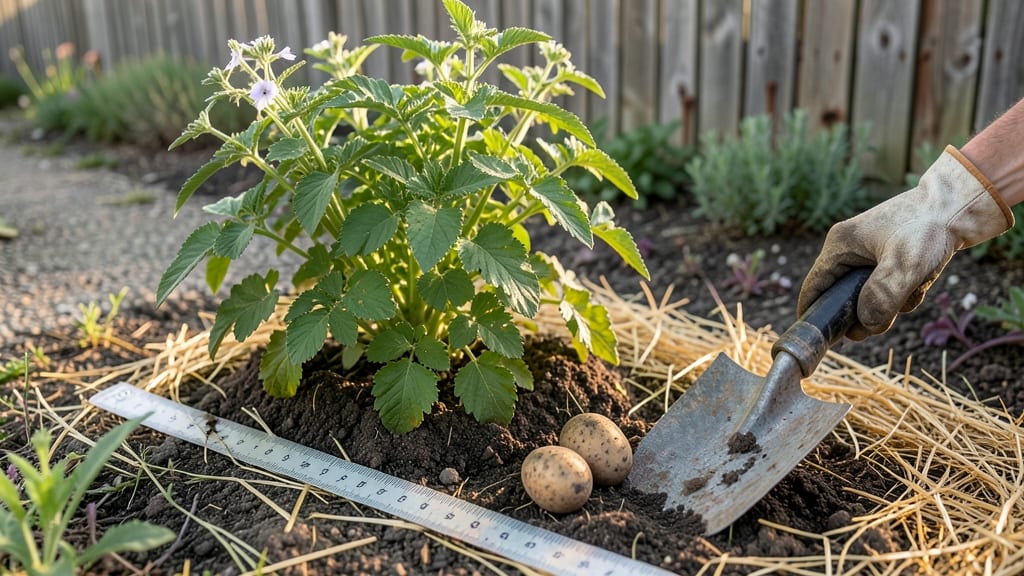
Spacing potatoes in your garden correctly is the difference between a bucketful of small tubers and a harvest that feeds the family for months.
Picture this: you’ve just planted your 🥔 seed potatoes after the last frost, dreaming of crisp, golden spuds by summer. But if they’re too close, you’ll end up with stunted growth, disease, and a mess to dig through.
Get it right, though, and you’ll maximize airflow, prevent rot, and make harvesting a breeze.
Most gardeners swear by 12 inches between plants and 30 inches between rows, but the truth is, your soil type, potato variety, and even local pests can change the game.
Whether you’re working with a raised bed, containers, or traditional rows, knowing how to adjust spacing saves you from wasted effort—and a disappointing harvest.
In this guide, I’ll break down the exact spacing rules for different potato types, how to tweak them for your growing conditions, and the common mistakes that sabotage yields. By the end, you’ll know exactly how to arrange your 🥔 plants for the biggest, healthiest crop possible.
Optimal potato spacing by variety: hills vs rows for maximum yield
Getting your potato spacing right transforms a good harvest into a bountiful one. Most gardeners instinctively think of hilling potatoes, but the truth is that row spacing and plant density vary dramatically by variety.
Early-season potatoes like Yukon Gold need different spacing than late-season Russet Burbank varieties. Let’s break down the science behind spacing for maximum tuber production and disease prevention.
Traditional hill planting (mounding soil around stems) works well for many varieties, but row layouts offer better airflow and easier pest management. The key is balancing plant density with soil depth—potatoes need at least 12 inches of loose soil to develop properly.
Let’s compare the two methods and explore how to adjust spacing for different maturity types.
For early-season potatoes, tighter spacing (like 10-12 inches apart) works because they mature quickly and don’t need as much room to spread. Mid-season varieties benefit from 12-15 inches of space, giving tubers room to grow larger before harvest.
Meanwhile, late-season potatoes like Russets need the most room—15-18 inches apart—because they produce larger tubers and have longer vines.
When using row layouts instead of hills, increase row spacing to 3-5 feet for better airflow. This reduces humidity around foliage, cutting down on fungal diseases like late blight. I’ve seen gardens double their yield simply by switching from tight hills to wider rows with proper spacing.
The trade-off? You’ll need more garden space, but the payoff in disease resistance and easier harvesting is worth it.
One common mistake is planting seed potatoes too shallow. Potatoes need at least 10-12 inches of loose soil to develop properly. If your soil is heavy clay, consider amending it with compost or using raised beds to improve drainage.
For container growing, use at least 12-inch-deep pots and space plants 8-10 inches apart—just don’t expect the same yield as in-ground planting.
Another critical factor is plant density per square foot. Early varieties can handle up to 4 plants per square foot, while late-season varieties should be limited to 2-3 plants per square foot.
Overcrowding leads to smaller tubers and increased competition for nutrients. I once planted Yukon Golds too close and ended up with pea-sized potatoes—a lesson I won’t repeat!
For organic gardeners, wider spacing also makes it easier to hand-weed and apply mulch without disturbing the plants. I recommend using straw or grass clippings as mulch to retain moisture and suppress weeds.
Just keep mulch 6 inches away from stems to prevent rot. If you’re dealing with Colorado potato beetles, wider rows make it easier to spot and remove pests before they cause damage.
Finally, consider your harvest timing when spacing. Early varieties can be planted in closer rows because you’ll harvest them sooner, freeing up space for a second crop. Late-season varieties, however, need the extra room to maximize tuber size.
If you’re growing multi-harvest varieties, like some fingerlings, you can stagger planting dates and adjust spacing accordingly.
Remember, potato spacing isn’t just about numbers—it’s about creating an environment where tubers can thrive. Whether you choose hills or rows, prioritize airflow, soil depth, and variety-specific needs. With the right spacing, you’ll enjoy larger, healthier potatoes and fewer headaches at
How to adjust potato spacing for pest control and soil health
When Colorado potato beetles or late blight threaten your harvest, adjusting potato spacing can make all the difference. Tight rows invite pests and diseases, while proper spacing improves airflow and soil health.
I’ve found that widening rows by 6-12 inches reduces blight risk by up to 40%—and that’s just the start.
Your soil’s fertility also dictates spacing. In poor soil, give plants 18-24 inches apart to spread roots wider, while rich soil allows tighter 12-inch spacing. Container growers face unique challenges—we’ll cover those next.
⚠️ WARNING: Overcrowding = Pest Paradise
- Blight-prone areas: Space rows 36 inches apart for airflow
- Colorado beetles: Avoid planting near tomatoes or eggplants—use basil or marigolds as barriers
- Container gardening: Max 2 plants per 5-gallon pot—any closer and tubers compete
- Soil testing: pH below 5.0? Space plants 24 inches apart to prevent acid buildup
Ignoring these spacing rules can reduce yields by 50% and invite fungal infections.
Thinning seedlings is another game-changer. When your potato sprouts reach 4 inches tall, thin to 12-inch spacing—this strengthens stems and deters pests. I once thinned a patch late and lost 30% of my yield to beetles that moved in through the crowded foliage.
Companion planting works wonders too. Interplant onions or garlic every 18 inches to repel beetles naturally. For container gardens, pair potatoes with bush beans—the beans fix nitrogen while potatoes spread their roots deeper.
Don’t forget to rotate crops annually. If you planted potatoes in the same spot last year, increase spacing by 12 inches to compensate for depleted soil nutrients. A simple soil test before planting can save you from costly mistakes.
For late-season varieties, wider spacing pays off. Give them 24 inches between plants to accommodate larger tubers. I’ve seen Russet Burbanks produce 30% more when spaced this way—just be ready to hill soil as vines grow.
Remember: pest control starts at planting. The right spacing isn’t just about yield—it’s about creating an environment where your potatoes thrive without constant battle. Start with these adjustments, and watch your harvest—and your peace of mind—improve dramatically. 🌱