
How To
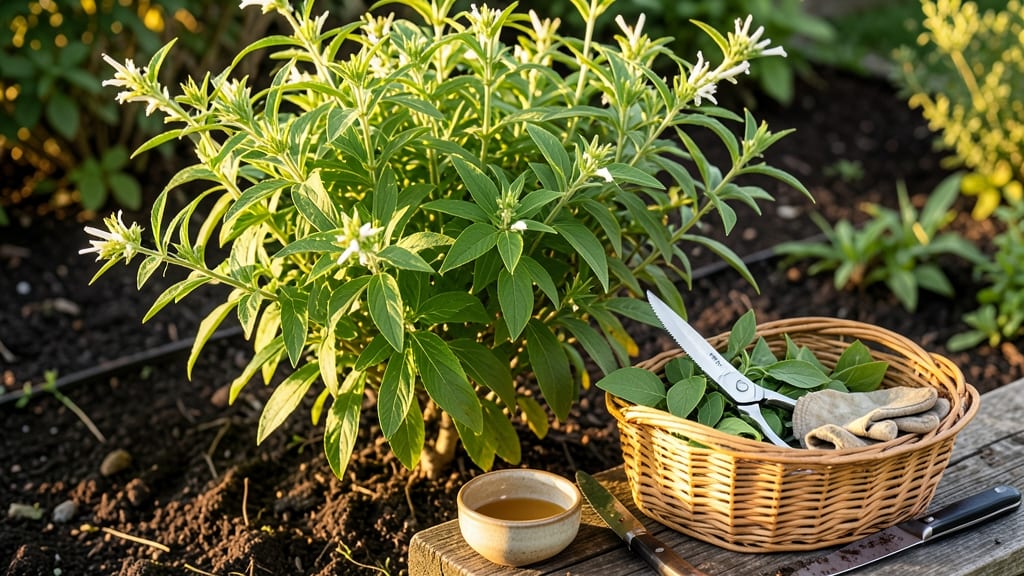
To harvest lemon verbena at its peak flavor, focus on timing and technique—cutting too early or too often can weaken the plant and dull its signature citrusy oil.
Picture this: you’ve spent months nurturing your 🌿 lemon verbena, and now the leaves are glossy, fragrant, and bursting with that zesty aroma. But harvest them too soon, and you’ll miss the boldest flavor—or worse, stunt the plant’s regrowth.
The secret lies in knowing when to snip (late summer, when leaves are fully mature) and how to prune for a bushier, more productive plant.
In this guide, I’ll walk you through the exact steps to harvest lemon verbena without harming your plant, from the best tools to use to how to dry or store your harvest for maximum potency.
Whether you’re making tea, infusing oils, or drying bundles, these tricks will keep your lemon verbena thriving—and your kitchen smelling like a sunlit garden.
Ready to turn your harvest into a year-round flavor powerhouse? Let’s dive into the timing, tools, and techniques that’ll make your lemon verbena the star of your pantry.


Best time to harvest lemon verbena for maximum citrus oil
Timing your lemon verbena harvest is everything if you want leaves bursting with that signature citrusy aroma. The peak harvest window occurs when your plant has mature leaves and strong fragrance, but before it flowers.
This balance ensures maximum essential oil potency while keeping your plant healthy for future harvests.
Most gardeners in USDA Zone 6 (like me!) find the best harvest months stretch from mid-summer to early fall, specifically July through October. During these months, your lemon verbena receives optimal sunlight and warmth, which boosts its citrus oil production.
However, timing isn't just about the calendar—it's also about your plant's growth stage.
Here's the secret: harvest when your lemon verbena has reached at least 12 inches in height and its leaves are fully developed and glossy. Crush a few leaves between your fingers—if they release a powerful lemon scent, they're ready.
But if the leaves are still small or lack fragrance, wait a few more weeks. Patience here pays off with flavor-packed leaves.
- 1 Wait for mature leaves: Harvest only when leaves are large, glossy, and fully opened. Small, tender leaves lack the citrus oil potency you crave.
- 2 Check the scent test: Crush a leaf between your fingers. If it smells like bright lemon, it's harvest-ready. Weak scent means wait 2-3 more weeks.
- 3 Harvest before flowering: Once buds appear, the plant shifts energy to flower production, reducing leaf potency. Cut stems just as buds form to preserve flavor.
- 4 Avoid over-harvesting: Never take more than 1/3 of the plant at once. This ensures regrowth and prevents stress that weakens future harvests.
- 5 Time your harvest right: Morning harvests yield the most potent leaves. The citrus oils peak after a night's rest, so cut stems just as dew dries (around 8-9 AM).
Environmental factors play a huge role in citrus oil potency. Your lemon verbena thrives in full sun (6+ hours daily), but extreme heat can actually reduce oil production.
If temperatures climb above 90°F (32°C), your plant may enter a dormant-like state, causing leaves to lose their punch. In these cases, harvest earlier in the season or provide afternoon shade to maintain flavor.
Temperature also affects regrowth. In Zone 6, I've noticed that late summer harvests (September-October) often yield more robust regrowth than early summer cuts. This is because the plant has already established a strong root system and can bounce back faster.
However, avoid harvesting too close to the first frost (mid-October in my area), as cold stress weakens the plant.
One common mistake I see (and made myself!) is harvesting lemon verbena leaves too aggressively early in the season. If you cut back young, tender growth, you're essentially stunting maturity.
Your plant needs time to develop mature leaves that pack the most flavor. Instead, focus on selective pruning—removing only the outermost leaves to encourage bushier growth.
Pro tip: If you're growing lemon verbena in containers, harvest timing becomes even more critical. Container-grown plants often mature faster but also deplete nutrients quicker. I fertilize mine with a balanced 5-10-10 mix every 4-6 weeks during the growing season to support rapid regrowth.
This ensures my potted plants stay productive even after multiple harvests.
Finally, don't forget that lemon verbena's flavor peaks when the plant is actively growing. If you notice sparse new growth or yellowing leaves, it's a sign to pause harvesting and focus on plant health.
Sometimes, the best harvest strategy is knowing when to let your plant rest—even if it means waiting a few extra weeks for that perfect citrus punch.
Step-by-step harvesting techniques to preserve plant health
Harvesting lemon verbena correctly is key to preserving its citrusy potency while encouraging bushier regrowth. The right technique ensures you don’t strip the plant of its energy or reduce future harvests.
I’ve found that timing, tools, and post-harvest care make all the difference in keeping my lemon verbena thriving for years.
Start by selecting the right tools—sharp pruning shears or clean scissors work best. Avoid tearing leaves, as this damages the plant and reduces its ability to regenerate.
The ideal harvest time is mid-morning after the dew has dried but before the heat of the day, which helps the plant recover faster.
How to Harvest Lemon Verbena
- Step 1: Identify healthy stems with 3-4 mature leaves. Avoid cutting into woody stems, as these won’t regrow well.
- Step 2: Use clean pruning shears to cut just above a leaf node at a 45-degree angle. This encourages new growth from that spot.
- Step 3: Harvest no more than 1/3 of the plant at a time to avoid stressing it. For example, if your plant has 20 stems, cut only 6-7.
- Step 4: Rinse leaves gently under cool water to remove dirt, but avoid soaking them, which can dilute their oils.
- Step 5: Pat dry with a paper towel or let air dry in a shady, well-ventilated area before storing or using.
After harvesting, prune strategically to encourage bushier growth. Trim back any leggy or overgrown stems to promote branching. This is especially important if you’re growing lemon verbena in containers, where space is limited. I’ve seen plants double their yield in a season just by pruning correctly!
For post-harvest care, water your plant deeply within 24 hours to help it recover. Avoid overwatering, though—lemon verbena prefers well-draining soil and can rot if soggy. A light balanced fertilizer (like 5-10-10) applied 2 weeks after harvesting can also boost regrowth.
To preserve the lemony aroma, store fresh leaves in the fridge for up to 1 week wrapped in a damp paper towel. For long-term storage, dry the leaves by hanging small bundles upside down in a dark, dry place for 1-2 weeks.
Alternatively, freeze leaves in ice cube trays with water for easy tea-making later.
Encouraging regrowth is all about balance. If you harvest too aggressively, your plant may struggle to recover. I recommend spacing harvests 4-6 weeks apart during the growing season. With the right care, your lemon verbena can keep producing fragrant leaves well into fall—or even year-round if grown indoors!