
How To
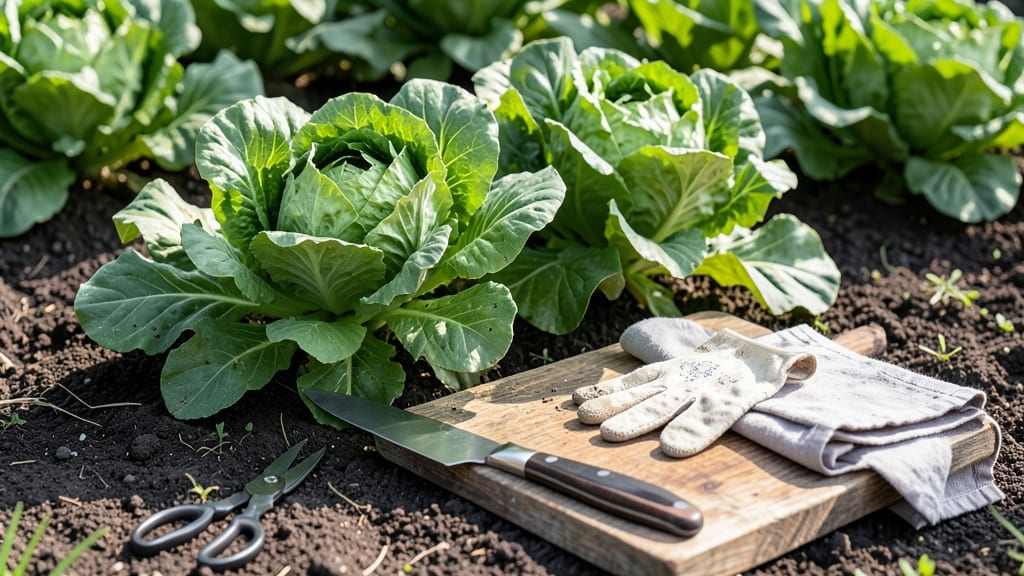
To harvest lettuce properly means you’ll enjoy fresh, crisp 🥬 leaves for weeks—not just a single haul.
Picture this: you’ve spent weeks tending to your garden, and now your lettuce is ready. But if you cut too much at once, you might as well have pulled it all up. The key is knowing when to harvest and how to do it so your plants keep producing.
Lettuce thrives on continuous harvesting, but timing matters. Harvest outer leaves first when they’re 4-6 inches long and firm, leaving the inner leaves to grow. This method ensures you get a steady supply without sacrificing future harvests.
In this guide, I’ll walk you through the best techniques for harvesting lettuce—whether you’re growing loose-leaf or head varieties—and how to avoid common mistakes that can ruin your crop. Let’s get started!


The perfect time to harvest lettuce for maximum yield and flavor
Timing your lettuce harvest is the secret to enjoying crisp, flavorful leaves all season long. Unlike many vegetables, lettuce offers a second chance at harvest—if you know when and how to cut it.
The key lies in understanding your variety type (leaf vs. head) and recognizing maturity signs before heat or pests ruin your crop. Harvest too early, and you lose flavor; wait too long, and you risk bolting or tough, bitter leaves.
For loose-leaf varieties like romaine or buttercrunch, you can start harvesting as early as 30 days after planting, picking outer leaves first. Head lettuce varieties (like iceberg or crisphead) need 45-60 days to reach full maturity.
The goal is to harvest when leaves are fully formed but still tender, ensuring the plant keeps producing new growth for weeks or even months.
| Variety Type | Harvest Window | Maturity Signs | Regrowth Potential |
|---|---|---|---|
| Loose-Leaf (Romaine, Buttercrunch) | 30-45 days | 4-6" leaves, crisp texture | High (cut outer leaves) |
| Head Lettuce (Iceberg, Crisphead) | 45-60 days | Firm, compact head, vibrant color | Moderate (cut whole head) |
| Butterhead (Bibb, Boston) | 40-50 days | Soft, buttery texture, loose heads | High (harvest outer leaves) |
Weather plays a critical role in harvest timing. Lettuce thrives in cool temperatures (50-70°F), so aim to harvest in spring or fall when days are shorter and nights are cooler.
If summer heat arrives, your lettuce may bolt prematurely—a process where the plant sends up a flower stalk, turning bitter and inedible. To delay bolting, provide afternoon shade with a lightweight row cover or plant in a spot with morning sun only.
Check readiness by gently pinching a leaf—it should snap cleanly and feel crisp but not woody. Avoid harvesting if leaves are yellowing or wilting, as this signals stress (often from overwatering or drought).
For continuous harvests, always leave the innermost leaves intact to keep the plant producing. This method works best for loose-leaf varieties; head lettuce is typically harvested all at once when fully mature.
Morning is the best time to harvest lettuce because leaves are cool, crisp, and hydrated. Avoid cutting after a hot afternoon, as the plant’s moisture content drops, making leaves wilt quickly.
Use a sharp pair of scissors or pruning shears to cut just above the lowest set of leaves—never pull leaves by hand, as this can damage the plant.
After harvesting, rinse leaves in cool water and store them in a plastic bag with a paper towel to absorb moisture and extend freshness.
Extending your lettuce harvest season requires proactive planning. Succession plant every 2-3 weeks for a continuous supply, and choose heat-tolerant varieties like Jericho or Black Seeded Simpson if summer growing is inevitable.
Mulch around plants to keep soil cool and retain moisture, and consider container growing for patio harvests—containers heat up faster but allow you to move plants to shadier spots during heatwaves.
Bolting is the #1 enemy of long harvests, triggered by long daylight hours and heat. If you notice flower stalks emerging, harvest immediately and compost the plant—bolted lettuce won’t improve with time.
To prevent bolting, avoid over-fertilizing with nitrogen (which encourages rapid growth) and ensure consistent moisture levels. A light feeding of compost tea every 4-6 weeks provides nutrients without overstimulating growth.
For maximum flavor, harvest lettuce when it’s young and tender. Older leaves develop a bitter, woody texture, especially in head varieties. If you’re growing for salad mixes, harvest leaves when they’re 4-6 inches long—this ensures a delicate, sweet taste.
For cooking (like wilted greens), slightly larger leaves (6-8 inches) work better, as they hold up to heat. Always taste-test a leaf before committing to a full harvest—this helps you calibrate your timing for future batches.
One common mistake is harvesting the entire plant at once, which ends your season prematurely. Instead, focus on selective harvesting: trim outer leaves while leaving the inner rosette intact. This method works for 80% of lettuce varieties and can extend harvests by 4-6 weeks.
For head lettuce, cut the whole head at soil level once it’s fully mature, then replant the area with a fast-growing variety like arugula or spinach to fill the gap.
Finally, pay attention to leaf color and texture—these are your best indicators of readiness. Deep green, red, or purple hues signal peak flavor, while yellowing or brown edges mean the leaf is past its prime. If your lettuce tastes
Step-by-step lettuce harvesting techniques for continuous regrowth
Harvesting lettuce the right way can turn a single harvest into a season-long supply of fresh greens. The key is knowing whether to pick individual leaves or harvest the whole head—and how to do it without shocking the plant.
I’ve learned that cutting too aggressively or at the wrong time can trigger bolting, while gentle harvesting keeps your lettuce producing for weeks. Let’s break down the exact techniques that work for both loose-leaf and head varieties.
Before you grab your shears, gather your tools: a pair of sharp pruning scissors or a clean knife, a bowl for harvested leaves, and a spray bottle with water.
I always keep a small notebook nearby to track which plants I’ve harvested and when, so I can rotate my cuts and avoid over-picking. The goal is to leave enough growth at the base so the plant can regenerate.
For loose-leaf varieties, you’ll focus on outer leaves, while head lettuce often requires a more precise cut.
-
Step 1: Choose Your Harvest Method
- • Loose-leaf varieties: Snip outer leaves when they reach 4-6 inches.
- • Head lettuce: Cut the entire head 1 inch above the soil when firm.
-
Step 2: Use the Right Tools
- • Sharp scissors or knife to avoid crushing leaves.
- • Clean tools prevent disease spread between cuts.
-
Step 3: Make Precision Cuts
- • For outer leaves, cut at the base where the leaf meets the stem.
- • For head lettuce, angle your cut slightly to expose more surface area for regrowth.
-
Step 4: Leave Regrowth Stubs
- • Never remove more than 1/3 of the plant at once.
- • Leave 2-3 inches of stem to encourage new leaves.
-
Step 5: Post-Harvest Care
- • Water deeply immediately after cutting to reduce stress.
- • Apply compost tea or diluted fish emulsion to boost recovery.
-
Step 6: Monitor for Bolting
- • If leaves taste bitter or bolt, provide afternoon shade.
- • Avoid fertilizing during hot weather to prevent flowering.
After harvesting, I always inspect my lettuce for signs of stress. If the remaining plant looks wilted or yellow, it’s a sign of over-harvesting or nutrient deficiency. In this case, I’ll add a light dose of nitrogen-rich fertilizer (like fish emulsion) and increase watering slightly.
For head lettuce, cutting too close to the soil can expose the core to rot, so always leave that 1-inch buffer to protect the plant’s heart.
Pests like aphids or slugs can also sabotage regrowth. I’ve found that a quick spray of neem oil after harvesting keeps pests at bay while the plant recovers. If you notice holes in new leaves, hand-pick any visible pests and apply a row cover at night to protect tender growth.
Prevention is key—especially during warm months when lettuce bolts faster.
With the right techniques, my lettuce plants have regrown enough for 3-4 harvests per season. The secret is consistency: harvest outer leaves regularly, avoid cutting into the center, and give your plants the care they need to bounce back.
Soon, you’ll have a steady supply of homegrown greens without the need for replanting.