
How To
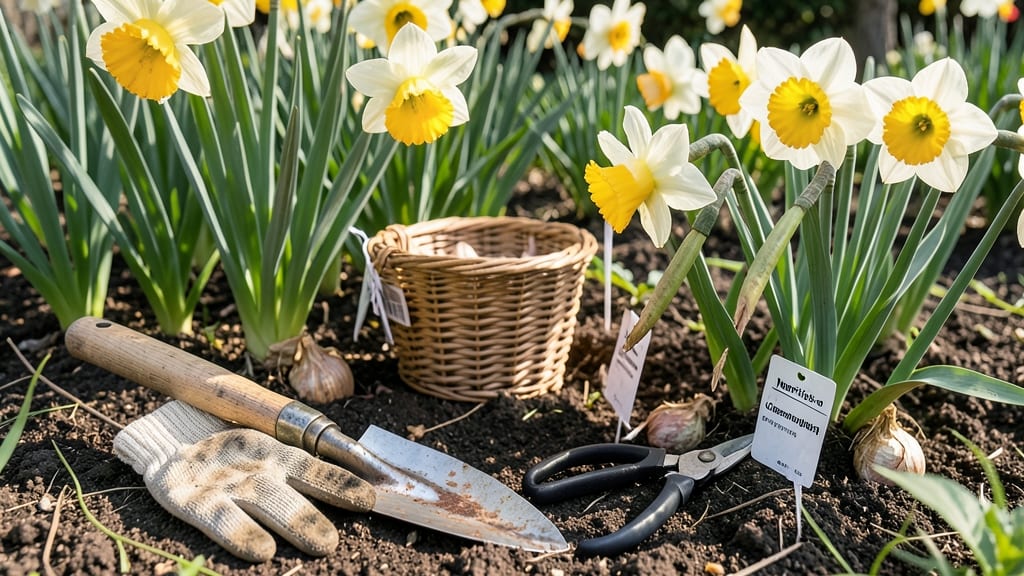
Harvesting daffodils at the right time ensures your cut blooms stay fresh for weeks, not just days—here’s how to do it without harming next year’s garden.
Picture this: a vase of bright 🌼 daffodils still perky after two weeks, their golden petals unfaded. The secret isn’t just luck—it’s timing. Cut too early, and you’ll get a sad, short-lived bouquet.
Too late, and you risk weakening the bulb for next spring’s show. I’ve made both mistakes, and the difference in vase life? Night and day.
Most gardeners focus only on the flowers, but the real key is the foliage. Those green leaves are powering the bulb’s energy stores for next year. If you snip them too soon, you’ll starve your daffodils—and say goodbye to next season’s blooms.
Below, I’ll walk you through the exact moment to harvest, how to cut for maximum longevity, and what to do with the stems afterward to keep them fresh.
Ready to turn your garden into a long-lasting floral display? You’ll learn the step-by-step cutting method, when to avoid harvesting, and even how to store or replant bulbs so your daffodils keep thriving for years. No more guesswork—just vibrant blooms that last.


Best time to harvest daffodils for maximum longevity
Timing is everything when harvesting daffodils for vase life. Cutting too early means underdeveloped blooms, while waiting too long results in wilted petals. The ideal harvest window is when flowers reach full bloom but before petals begin to yellow or droop.
This typically occurs 3-5 days after buds first open, depending on your USDA zone and local climate.
Weather plays a critical role in harvest quality. Cool mornings (below 65°F) and humidity levels under 70% create the best conditions for cutting. Avoid harvesting after heavy rain or during heatwaves, as these conditions shorten vase life.
Early morning is the best time to cut—stems are fully hydrated, and blooms last longer in arrangements.
Not all daffodil varieties mature at the same rate. Standard varieties like 'Ice Follies' typically bloom 2-3 days earlier than dwarf types such as 'Tête-à-Tête'. Monitor your garden closely, as even slight temperature fluctuations can shift the harvest window by 24-48 hours.
Pro tip: Use a flower maturity chart to track progress across different varieties.
Here’s a visual guide to help you identify the perfect harvest moment:
| Stage | Visual Cues | Harvest Readiness | Vase Life Potential |
|---|---|---|---|
| Bud Stage | Buds closed, green tips visible | Not ready 🌱 | Poor (1-2 days) |
| Early Bloom | Petals just opening, 25-50% visible | Marginal ✂️ (if needed) | Moderate (3-5 days) |
| Full Bloom | Petals fully extended, vibrant color, no wilting | Optimal ✅ | Excellent (7-10 days) |
| Late Bloom | Petals yellowing, edges curling | Too late ❌ | Poor (1-2 days) |
| Seed Pod | Pods forming, leaves yellowing | Never harvest | N/A |
Harvesting at the wrong stage can drastically reduce vase life. For example, cutting daffodils when buds are just opening (early bloom) may extend their life by only 3-5 days, while waiting for full bloom can double that time.
The key is to balance visual appeal with maturity—fully open petals indicate the flower has completed its natural hydration process, making it ideal for cutting.
Did you know? Daffodil stems contain a natural preservative called glycosides, which helps extend vase life. However, this compound breaks down faster in warm temperatures (above 70°F) or under direct sunlight.
Always store harvested daffodils in a cool, dark place (like a refrigerator) for up to 24 hours before arranging to preserve their freshness.
Weather isn’t just about temperature—humidity and wind also impact harvest quality. High humidity (above 75%) can cause petals to develop brown edges within 48 hours, while strong winds may weaken stems before cutting.
If you’re harvesting during windy conditions, support stems with your hand while cutting to prevent bending or breaking.
For longest-lasting arrangements, prioritize harvesting on overcast days when temperatures are mild. This reduces stress on the plant and ensures stems remain firm and upright. Avoid cutting during heatwaves or after frost, as both conditions accelerate wilting.
Pro growers often harvest in the early morning (between 5-8 AM) to catch stems at their peak hydration.
One common mistake is harvesting daffodils after seed pods form. While this doesn’t harm the bulb, it signals the plant is redirecting energy toward reproduction rather than maintaining flower quality. Always cut stems 3-4 inches below the bloom to ensure the bulb continues storing nutrients for next year’s growth.
This simple step can increase your daffodil’s lifespan by 1-2 years in the garden.
To maximize your harvest, monitor your garden daily during peak bloom season. Use a small notebook to track which varieties reach full bloom first—this helps you plan cutting schedules for mixed arrangements.
For example, 'Thalia' (a standard daffodil) typically blooms 2 days earlier than 'Tête-à-Tête', so adjust your timing accordingly.
Step-by-step guide to cutting daffodils without damaging the bulb
Harvesting daffodils for cut flowers is simple, but the right technique ensures your blooms last longer and your bulbs stay healthy for next year. A sharp cut at the correct angle and proper stem handling are key to preventing disease and preserving the bulb’s energy reserves.
Using the wrong tools or cutting too late can weaken your daffodils, leading to shorter vase life. I’ve learned that dull shears crush stems, while a clean, sharp knife makes precise cuts that heal faster. Let’s walk through the exact steps to harvest like a pro.
How to Harvest Daffodils
- Step 1: Choose fully open blooms with firm stems. Avoid cutting when petals start wilting or buds are still closed.
- Step 2: Use clean, sharp pruners or a knife to cut stems at a 45-degree angle about 6 inches below the bloom.
- Step 3: Remove lower leaves to reduce water uptake and prevent bacterial growth in the vase.
- Step 4: Immediately place stems in lukewarm water to rehydrate and extend freshness.
- Step 5: Leave at least 3-4 inches of foliage attached to the bulb to ensure it stores energy for next year’s blooms.
Never cut daffodils too early—they won’t open fully in vases. Wait until the outer petals are fully extended but still vibrant, usually when 50-70% of buds on a stem have opened. This timing maximizes vase life while keeping the bulb healthy.
After harvesting, store your daffodils in a cool, dark place overnight before arranging. Change the vase water every 2-3 days and trim stems by ½ inch to encourage water uptake. This simple post-harvest care can add 5-7 extra days of freshness to your bouquets.
Pro tip: Avoid harvesting daffodils in direct sunlight or extreme heat, as this stresses the stems. Early morning is the best time to cut, when stems are hydrated and upright. This ensures your blooms stay perky for weeks.
With these steps, you’ll enjoy long-lasting daffodils without harming your garden’s future blooms. Happy harvesting! 🌼✂️🌿