
How To
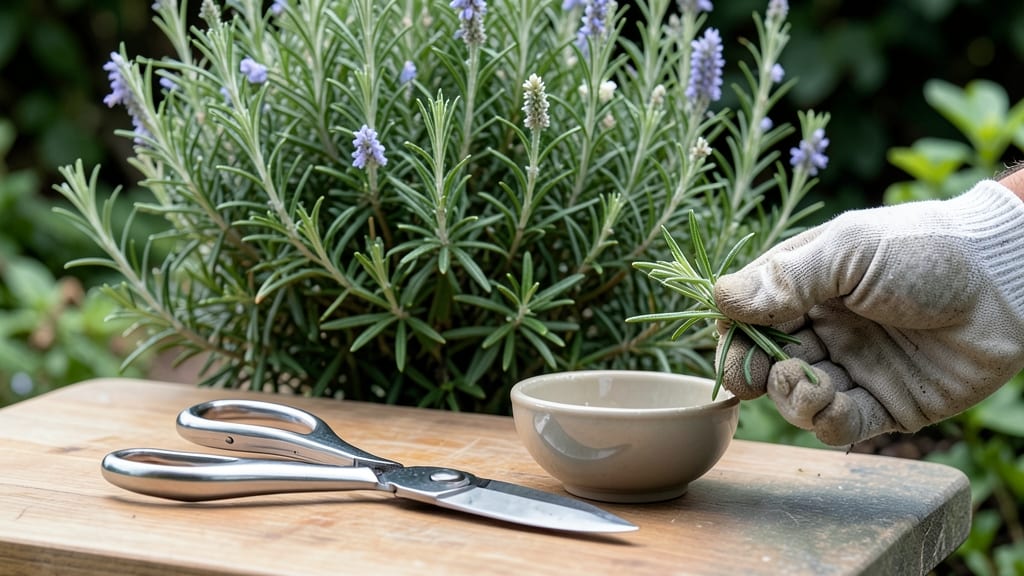
Harvesting fresh rosemary the right way unlocks its boldest flavor and keeps your 🌿 thriving for years.
Picture this: You reach for your rosemary sprig, expecting that signature piney aroma, only to find it weak or bitter. That’s a sure sign you missed the perfect harvest window—or worse, damaged the plant with the wrong cuts.
Timing matters more than you’d think. Snip too early, and the needles are underdeveloped; wait too long, and the plant shifts energy to flowering instead of flavor.
But here’s the good news: with the right technique, you can harvest rosemary year-round—whether you’re trimming sprigs for soups or pruning for bushier growth.
In this guide, I’ll walk you through when to harvest for peak flavor, how to cut without harming the plant, and the best ways to store your harvest so it stays fresh longer. No more wasted sprigs or sad, leggy bushes!


Best time to harvest rosemary for peak flavor and plant health
Harvesting rosemary at the right time ensures bold flavor and healthy regrowth. The best window is spring through early summer, when the plant is actively growing but hasn’t yet flowered. Flowering reduces oil content, dulling that signature piney aroma.
For container-grown rosemary, timing is similar—just ensure stems are woody yet flexible before cutting.
Morning harvests are ideal because essential oils peak after dew evaporates but before the midday heat saps moisture. Avoid harvesting after rain or in the evening, as humidity can promote rot or fungal growth on fresh cuts.
If you must harvest in the evening, let stems dry for 1-2 hours before storing to reduce moisture buildup.
Seasonal timing matters most in colder climates. In USDA Zone 6a, harvest from late April to early October, avoiding the first and last frosts (April 15 and October 15).
In warmer zones, you can harvest year-round, but winter growth slows, so flavor may be milder. Always prioritize new growth over old wood for the best results.
Here’s a quick reference for harvest readiness:
| Stage | Height | Leaf Color | Aroma | Harvest Time |
|---|---|---|---|---|
| Early Growth | Under 6" | Light green | Mild | Avoid |
| Active Growth | 6-12" | Dark green | Strong | Morning |
| Pre-Flowering | 12-24" | Deep green | Intense | Peak |
| Flowering | 24+" | Green/yellow | Dull | Avoid |
For year-round harvests, focus on new growth at the tips of stems. Use sharp pruning shears to cut just above a leaf node, encouraging bushier growth. Never remove more than one-third of the plant at once, or you risk stressing the rosemary.
In containers, prune more frequently to maintain shape and prevent legginess.
If your rosemary is woody at the base but still has tender new growth, prioritize those tender shoots. Woody stems can be pruned back to encourage fresh, flavorful regrowth. Just be patient—it may take 4-6 weeks for new shoots to emerge after a hard prune.
This is especially common in older plants or those grown in partial shade.
In drought-prone areas, harvest after watering to ensure the plant isn’t stressed. Overwatered rosemary can develop mushy stems and weak flavor, so always check soil moisture before harvesting. A quick finger test—1-2 inches deep—will tell you if the soil is dry enough for a healthy harvest.
Pro tip: Rub the leaves before harvesting to test for flavor. If they smell strongly of pine and camphor, they’re ready. If the scent is faint, wait 2-4 weeks for more robust growth. This simple trick saves time and ensures you’re always harvesting at peak flavor.
Finally, avoid harvesting during extreme heatwaves (above 90°F), as essential oils can degrade under stress. If you must harvest in hot weather, do so early in the morning and store the stems in a cool, dark place immediately to preserve their potency.
Step-by-step guide to harvesting rosemary without damaging the plant
Harvesting rosemary correctly ensures your plant stays healthy while providing you with flavorful stems for months. The key is using the right cutting tools and techniques to stimulate new growth. Avoid over-trimming or cutting into old wood, as this can stress your plant and reduce future yields.
Always harvest on a dry morning after the dew has evaporated. This minimizes moisture on the stems, reducing the risk of fungal diseases. Choose non-flowering stems for the best flavor, as flowering diverts energy away from leaf production.
A sharp pair of pruning shears or clean scissors is ideal for clean cuts.
How to Harvest Fresh Rosemary
- 1 Select the right stems: Choose healthy, non-woody stems that are at least 6 inches tall. Look for vibrant green needles and avoid stems with yellowing or brown tips.
- 2 Use clean tools: Disinfect your pruning shears or scissors with rubbing alcohol to prevent spreading disease. Sharp tools make clean cuts that heal faster.
- 3 Cut at a 45-degree angle: Trim stems about 1/3 from the top, cutting just above a leaf node. This encourages new growth from the base while maintaining the plant’s shape.
- 4 Avoid over-harvesting: Never remove more than 1/3 of the plant at once. Focus on outer stems first to promote bushier growth and prevent stress.
- 5 Prune for shape: Trim back any overly long or leggy branches to encourage a fuller, more compact plant. This also improves air circulation, reducing disease risk.
- 6 Post-harvest care: Water the plant lightly after harvesting to help it recover. Avoid fertilizing immediately, as fresh cuts need time to heal before absorbing nutrients.
After harvesting, store your rosemary stems in a paper towel-lined container in the fridge for up to a week. For long-term storage, hang stems upside down in a dry, dark place to dry completely before crushing the leaves. This preserves the aromatic oils for months.
Regular harvesting encourages your rosemary plant to grow bushier and more productive. Aim to harvest every 4-6 weeks during the growing season, and you’ll enjoy a steady supply of fresh, fragrant rosemary all year round. Just remember: patience and precision are key to keeping your plant thriving! ✂️🌿