
Fertilization
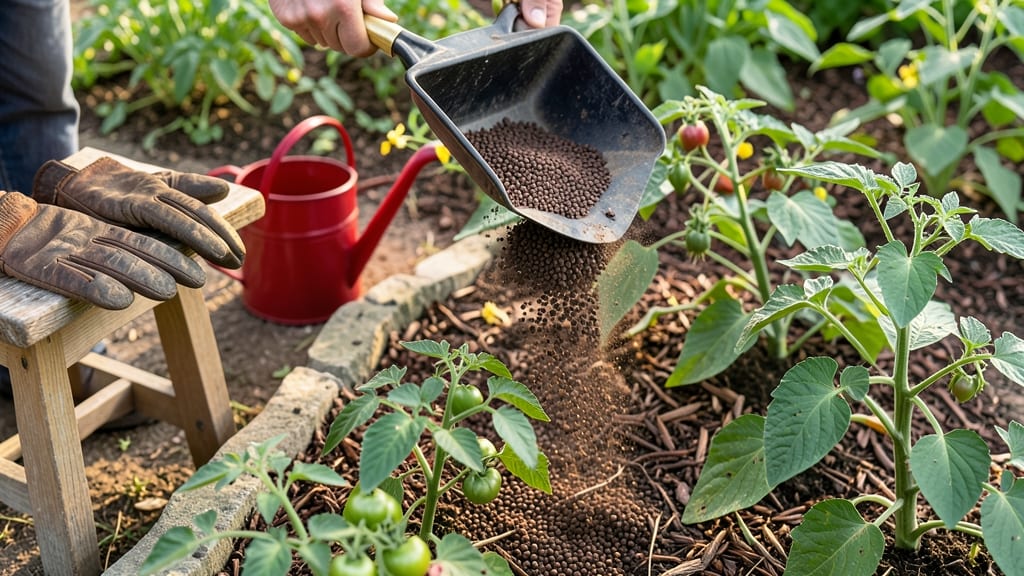
Should you fertilize your garden when the soil looks rich or when your plants are actively growing? The answer isn’t just about the calendar—it’s about matching nutrients to your garden’s peak hunger times.
Timing your garden fertilization isn’t just about dumping nutrients—it’s about unlocking peak plant growth when your plants actually need it. Miss these seasonal triggers, and you could waste fertilizer or stifle your harvest before it starts.
Think of it like feeding a teenager: shove a burger in their hands at 3 AM, and they’ll either ignore it or get sick. But serve it at lunchtime, and they’ll thrive.
Your garden works the same way—feed it too early or too late, and you’ll end up with underperforming plants or even fertilizer burn.
In this guide, I’ll walk you through the four critical windows to fertilize your garden for maximum uptake, from early spring awakening to fall soil restoration—plus how to tell if your plants are really hungry or just throwing a fit.

4 Critical seasonal times to fertilize your garden for optimal growth
Fertilizing your garden at the right time isn’t just about throwing nutrients into the soil—it’s about giving your plants the energy they need when they’re ready to use it. Miss these key seasonal windows, and you might waste fertilizer or even harm your plants.
The best times to fertilize align with your garden’s natural growth cycles, from the first green shoots of spring to the final push before winter dormancy.
Think of fertilization like a meal schedule: you wouldn’t feed a toddler a full breakfast at bedtime, right? Similarly, plants need nutrients when they’re actively growing, not when they’re dormant or stressed.
By syncing your fertilizer applications with these four critical seasonal triggers, you’ll maximize growth, boost yields, and keep your garden thriving year-round.
March–April (Zone 6a)
Apply balanced fertilizer (10-10-10) when soil reaches 50–60°F. Focus on cool-season crops like lettuce, peas, and spinach.
Late Summer (August)
After harvesting heavy feeders (tomatoes, peppers), add compost or slow-release fertilizer to restore soil nutrients.
June–July
Feed flowering plants (roses, marigolds) with phosphorus-rich fertilizer (5-10-10) to promote blooms and fruit set.
September–October
Apply organic matter (compost, worm castings) to improve soil structure for next year’s growth. Avoid synthetic fertilizers after first frost.
Let’s break down why these timings matter. In early spring, your garden is waking up from dormancy, and plants like broccoli and carrots need a nutrient boost to break through the soil.
A balanced fertilizer (equal parts nitrogen, phosphorus, potassium) gives them the energy to grow strong roots and lush foliage before the heat of summer arrives.
For vegetable gardens, timing is everything. Tomatoes and peppers, for example, are heavy feeders—they’ll signal their need for nutrients by dropping leaves or stunting growth.
That’s your cue to side-dress with compost or apply a low-nitrogen fertilizer every 4–6 weeks during their growing season. Miss this window, and you’ll end up with smaller yields or even blossom-end rot.
Flower beds also thrive on seasonal fertilization. Roses and annuals need a phosphorus push in late spring to early summer to encourage blooming. I’ve found that a slow-release granular fertilizer applied in June gives my roses a second flush of flowers that lasts until frost.
The key is to avoid high-nitrogen fertilizers during bloom time—too much nitrogen means fewer flowers and more foliage.
Don’t overlook your lawn either. Cool-season grasses like fescue and ryegrass benefit from early spring and fall feedings, while warm-season grasses (like Bermuda grass) need fertilization in late spring and early summer.
A soil test can help you determine if your lawn needs nitrogen, phosphorus, or potassium—or all three.
One common mistake I see is fertilizing in late summer or early fall when plants are preparing for dormancy. This can lead to weak new growth that won’t survive winter.
Instead, focus on soil restoration with organic amendments like compost or leaf mold. These improve soil structure and provide slow-release nutrients for next year’s growth.
Pro tip: Always water deeply after fertilizing to help nutrients penetrate the soil and reach your plants’ roots. Early morning is the best time to fertilize—it gives the nutrients time to absorb before the heat of the day.
And if you’re using organic fertilizers, like fish emulsion or bone meal, follow the package instructions closely, as they often require different application rates than synthetic options.
By aligning your fertilization schedule with these four seasonal triggers, you’ll create a garden that’s not just surviving, but thriving. Your plants will reward you with bigger harvests, healthier blooms, and lush green growth all season long. 🌱
How to tell if your plants Really Need Fertilizer (And When to Skip It)
Yellowing leaves don’t always mean your plants are starving for nutrients. In fact, over-fertilizing is one of the most common mistakes gardeners make, leading to burnt roots or algae blooms in your soil.
Before reaching for that fertilizer bag, ask yourself: Are my plants truly nutrient-deficient, or is something else stressing them?
Start by examining the leaf color and growth patterns. Healthy plants have vibrant green leaves, while nutrient deficiencies often show as yellowing between veins (iron deficiency) or purple stems (phosphorus deficiency).
However, yellow leaves can also signal overwatering, poor drainage, or even pests. Don’t jump to conclusions—observe for at least a week before acting.
🌱
⚠️ Warning: Over-Fertilizing Can Harm Your Plants
Skipping a soil test is a gamble—your garden might already have enough nutrients. Signs of over-fertilization include crispy brown leaf edges, white crust on soil, or algae blooms in containers. Fast-growing plants like lettuce or basil need frequent feeding, while perennials thrive on slow-release nutrients applied once or twice a year.
If you’re unsure whether your plants need fertilizer, conduct a simple soil test using a home kit (available at garden centers for under $10). This reveals the levels of nitrogen (N), phosphorus (P), and potassium (K), helping you avoid over- or under-fertilizing.
For example, tomatoes love a balanced 10-10-10 fertilizer every 4-6 weeks, while roses benefit from a high-phosphorus boost in early spring.
Timing matters just as much as type. Fast growers like radishes or bush beans need frequent, light feedings, while perennials like lavender or orchids prefer a single spring feeding with slow-release granules. Always fertilize in the early morning to prevent leaf burn from afternoon sun.
Pay attention to your plant’s life stage. Newly transplanted seedlings need a gentle starter fertilizer to establish roots, while flowering plants (like petunias) require a phosphorus-rich boost. If your vegetables are producing but leaves look pale, switch to a nitrogen-heavy fertilizer to promote foliage growth.
And remember: dormant plants in winter or fall don’t need fertilizer—they’re storing energy for next season.
When in doubt, skip it. Healthy soil teeming with earthworms and microorganisms often provides all the nutrients plants need. If your garden has rich compost or well-rotted manure, you might only need to fertilize once a year.
Observe your plants’ responses—if they perk up after a light feeding, you’re on the right track. If not, it’s time to reassess your soil health.
🌿