
Flowers
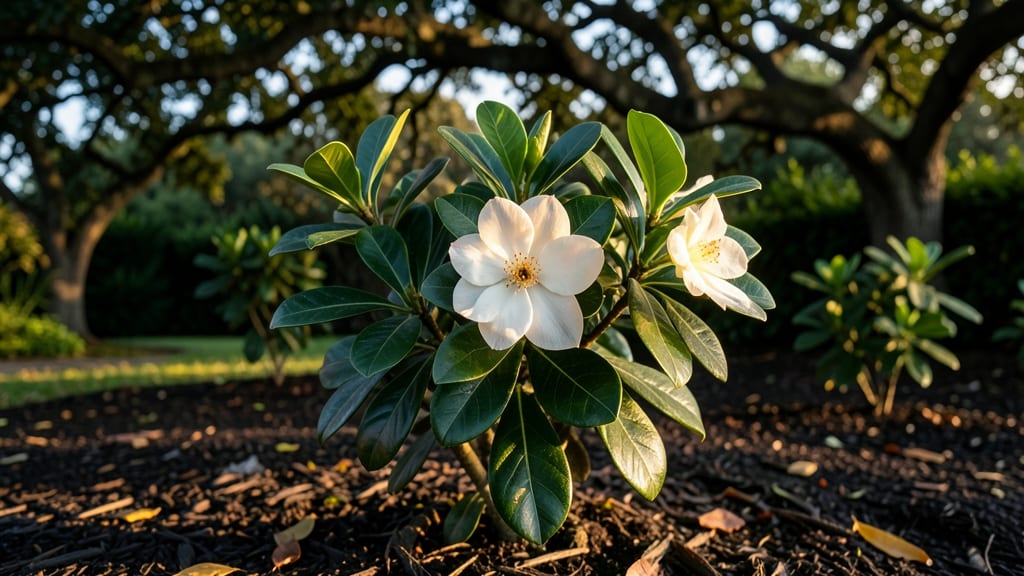
What do gardenias look like in the winter? They often appear very different from their fragrant spring blooms 🌸 — but knowing what to expect can help you tell a dormant plant from a struggling one.
If you’ve ever wondered whether your gardenia bush still holds life beneath its bare branches in winter, you’re not alone—many gardeners struggle to identify dormant gardenias until spring blooms return.
During colder months, gardenias typically shed most of their leaves, leaving behind woody stems and a few scattered buds. This isn’t a sign of death, but rather a natural survival strategy to conserve energy until warmer weather arrives.
In this guide, I’ll walk you through how to spot a healthy dormant gardenia, what to watch for in terms of leaf retention, and how to care for it so it’s ready to burst back to life in spring.
How to identify gardenias in winter: key visual clues and growth patterns
Winter can turn your gardenia into a mystery—those glossy, evergreen leaves vanish, leaving you wondering if your prized shrub is alive or dead. The truth is, gardenias enter a natural dormancy phase in cooler months, where their growth slows dramatically.
Recognizing these seasonal changes is key to distinguishing them from dead plants or other bare shrubs in your landscape.
Unlike many deciduous plants that shed leaves entirely, gardenias often retain a few leaves or develop new ones sporadically. Their branches may look stark, but they’re not lifeless—they’re simply conserving energy for spring’s return. Understanding these visual cues helps you care for your gardenia correctly during its winter rest.
| Feature | Winter Appearance | Key Notes |
|---|---|---|
| Leaves | Mostly absent; may retain a few dark green leaves or small new growth | Natural dormancy, not disease—new leaves may sprout in mild climates |
| Branches | Woody, brownish-gray; may have bud scales forming | Healthy buds indicate spring blooms; brittle branches suggest dehydration |
| Bark | Smooth, grayish-brown with slight ridges | Peeling or cracked bark signals environmental stress, not dormancy |
| Flowers | None visible; buds may form in Zone 10 or warmer | Bud formation depends on winter temperatures—colder zones stay dormant |
| Root Activity | Slow growth; roots absorb minimal water | Overwatering can rot roots—reduce frequency to bi-weekly |
One of the most telling signs of a living gardenia in winter is the presence of bud scales along the branches. These small, overlapping structures protect future blooms and appear as tiny, papery bumps.
In USDA Zones 9-10, you might even spot new leaf growth or early buds, especially if your gardenia is in a sheltered microclimate.
Compare your gardenia’s branches to those of a dead plant: dead wood is hollow when tapped, while live branches feel solid and may have a slight green undertone under the bark.
Scratch a small section of bark—if it’s moist and greenish, your plant is alive. If it’s dry and brown, it may be stressed or deceased.
Gardenias also differ from other winter-bare shrubs like camellias or oleanders in their branch structure. Gardenia branches are thicker and more rigid, with a distinctive zigzag pattern where leaves once attached. Oleanders, for example, have thinner, more flexible branches, while camellias often retain some leaves year-round.
Pay attention to the soil around your gardenia—healthy dormant plants have slightly moist soil, not soggy or bone-dry. If the ground is cracked and hard, your plant may be underwatered, while a mushy texture signals overwatering.
Mulch can help regulate soil moisture and protect roots from winter temperature swings.
In colder climates (Zones 7-8), gardenias may look completely bare, but their roots remain active underground. These zones require extra care, like winter mulching or wrapping the base with burlap to insulate against frost.
Without protection, gardenias can suffer cold damage to their root systems, making identification in spring even more challenging.
Pro tip: Take a photo of your gardenia in late summer before dormancy sets in. Compare it to its winter state—you’ll notice the leaf loss and bud formation more clearly. This visual comparison is invaluable for year-round plant identification.
If your gardenia still looks suspicious, gently scratch the bark near a bud. Healthy tissue should be greenish and moist, while dead wood is brown and crumbly. With these clues, you’ll confidently identify your gardenia—even when it’s stripped of leaves and blooms.
Do gardenias lose all leaves in winter? Understanding seasonal dormancy
Gardenias are known for their glossy, dark green leaves and fragrant white blooms, but in winter, they undergo a natural process called seasonal dormancy. Unlike many evergreens, gardenias often shed most of their leaves in colder months, which can be alarming if you're not expecting it.
This leaf drop is completely normal and part of their survival strategy in USDA Zones 7-10, where temperatures dip but rarely freeze solid.
The key to distinguishing natural dormancy from plant stress lies in the timing and condition of the leaves. Healthy gardenias in winter typically retain a few small leaves or even just bare branches, while stressed plants may look completely skeletal or show signs of browning or wilting.
Understanding this difference helps you avoid unnecessary panic or intervention during the off-season.
⚠️ What Do Gardenias Look Like in Winter?
Healthy dormant gardenias in winter may:
- Lose 80-90% of leaves, leaving bare or sparsely leaved branches.
- Retain a few small, dark green leaves at branch tips.
- Show tight, woody buds along stems (future spring blooms!).
- Have brown or dead leaves that crumble easily (natural shedding).
Stressed or dying gardenias may:
- Look completely bare with no buds (no signs of new growth).
- Show blackened stems or mushy branches (fungal/bacterial rot).
- Have yellowing leaves that stay attached (nutrient deficiency).
🌱 Pro Tip: Gently scratch the bark—healthy plants have smooth, greenish-brown bark, while dead plants reveal dry, brittle wood.
Not all gardenia varieties react the same way to winter. For example, Gardenia jasminoides, the most common type, is hardy to USDA Zone 8 and may lose most leaves in colder areas.
In contrast, Gardenia augusta (or Cape jasmine) is slightly more cold-tolerant, often retaining some foliage in Zone 9-10 winters. If you're in a milder climate, your gardenia might only shed a few leaves or even stay evergreen.
Cold hardiness also depends on your microclimate. Gardenias planted near heat-retaining structures (like brick walls) or in sheltered spots may retain more leaves than those exposed to wind or frost.
If your gardenia is in a container, it’s more vulnerable to temperature swings, so moving it to a protected location can help preserve some foliage during winter.
One common misconception is that gardenias "die" in winter because they lose leaves. In reality, they’re conserving energy for spring blooms. The buds forming along the stems are a clear sign of life—these are the future flowers that will reward your patience with their iconic fragrance.
Pruning back dead or overly long branches in late winter (after the last frost) can encourage healthier regrowth and more abundant blooms.
To confirm your gardenia is truly dormant and not suffering, check for green bark (scratch gently to reveal the color) and flexible stems. If both are present, your plant is alive and simply resting.
Avoid fertilizing or pruning heavily during dormancy, as this can stress the plant further. Instead, focus on minimal watering and protecting it from harsh winds or frost.
🌿 Remember, gardenias are tropical plants at heart, so their winter dormancy is a survival tactic. With the right care, they’ll bounce back stronger in spring, often producing even more blooms than in previous seasons.
Patience and observation are key—your gardenia’s winter "naked" phase is just a quiet phase before its spectacular comeback!