
How To
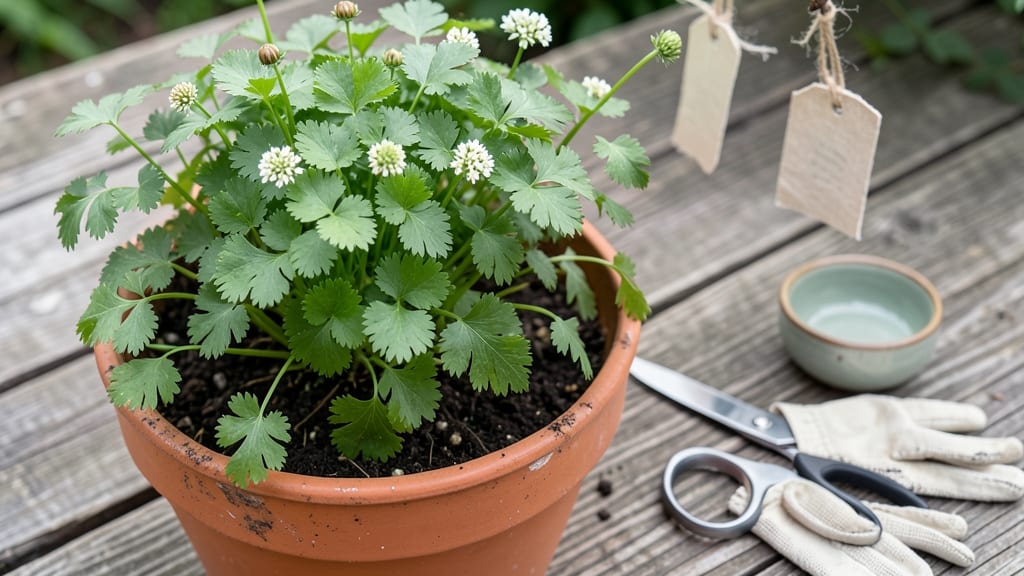
Harvesting coriander at the right time ensures you get the freshest, most flavorful leaves 🌿—and here’s exactly how to do it without wasting a single plant.
Picture this: you’ve nurtured your coriander for weeks, only to snip the leaves too late and end up with bitter stems. Or worse, you pull too much at once and stunt future growth. The key is timing, technique, and knowing when to stop before the plant bolts.
In this guide, I’ll walk you through the best moments to harvest—whether you’re after tender leaves or drying seeds—and share the tools and tricks to keep your coriander thriving for weeks of fresh, homegrown flavor.
You’ll learn how to harvest leaves in 3 simple steps, when to let the plant flower for seeds, and how to store your bounty so it stays crisp and vibrant until your next cookout.


When and how to harvest coriander for maximum freshness and flavor
Coriander thrives as one of the fastest-growing herbs in your garden, but timing your harvest is everything. If you pick too early, you’ll get sparse leaves, and if you wait too long, the plant bolts—producing bitter stems and flowers.
The sweet spot? Harvesting when plants reach 4-6 inches tall with dense, vibrant foliage. This ensures maximum flavor while encouraging regrowth for a continuous supply.
Most gardeners make the mistake of harvesting too aggressively or at the wrong stage. I’ve learned that coriander leaves lose their delicate flavor once the plant starts flowering—so always prioritize leaf harvests before seed production begins.
The key is to cut just enough to enjoy fresh herbs without stressing the plant. Let’s break down the exact steps to harvest coriander like a pro.
How to Harvest Coriander: Step-by-Step Guide
- Step 1: Wait until your coriander plants reach 4-6 inches tall with 4-6 mature leaves per stem. This usually takes 45-60 days after sowing.
- Step 2: Choose a sunny morning after dew has dried. This ensures leaves are crisp and free of moisture, reducing the risk of fungal issues.
- Step 3: Use a pair of sharp scissors or clean pruning shears. Avoid using your fingers to pull leaves, as this can damage the plant.
- Step 4: Cut the outer leaves first, leaving the inner growth point intact. This encourages the plant to produce more leaves.
- Step 5: Harvest no more than one-third of the plant at a time. Over-harvesting stresses coriander and can lead to bolting.
- Step 6: Rinse leaves under cool water to remove dirt, then gently pat dry with a paper towel. Store in an airtight container in the fridge for up to 5-7 days.
Pro tip: If you’re growing coriander for both leaves and seeds, allow a few plants to flower. Once the seed pods turn brown and dry, you can harvest them for culinary use.
But for leaf harvests, always prioritize cutting before flowering begins to maintain that fresh, citrusy flavor we all love.
Another common mistake is harvesting coriander when the leaves are still small or sparse. If your plant has soft stems or weak aroma, it’s not ready.
Wait until the leaves are dark green and dense—this is your cue that they’re packed with flavor. Patience here pays off in the kitchen!
For container gardeners, harvesting coriander follows the same principles, but you’ll need to be extra gentle. Since pots have limited space, avoid cutting more than 20-30% of the foliage at once.
This keeps your plants healthy and productive for weeks. I’ve found that container-grown coriander often bolts faster, so stay vigilant and harvest frequently.
After harvesting, always water your coriander plants deeply to help them recover. The roots need moisture to support new growth, especially if you’ve trimmed back a significant portion of the foliage.
A light application of balanced fertilizer (like 5-10-10) can also encourage regrowth, but avoid over-fertilizing—this can lead to leggy, bitter stems.
One of my favorite tricks is to harvest coriander in stages. Start with the outer leaves, then move inward as the plant matures. This method gives you a steady supply of fresh herbs while keeping the plant happy.
Plus, it’s a great way to enjoy coriander at its peak flavor without waiting for a full harvest.
If you notice your coriander plants starting to bolt—with tall, flower stalks emerging—it’s time to harvest everything at once. The leaves will still be edible but may taste slightly bitter. Save the seeds for later use, and consider replanting if you want a fresh batch of tender leaves.
Remember, coriander is a fast-growing annual, so don’t be afraid to harvest often. With the right technique, you can enjoy fresh coriander for months, whether you’re growing it in your garden, balcony, or windowsill. Happy harvesting! 🌿
Harvesting coriander seeds: step-by-step guide for dried coriander production
If you’ve been enjoying fresh coriander leaves all season, you’ll love knowing how to transition your plants to seed production. Once your coriander starts flowering, it’s time to shift focus from leaf harvesting to seed collection.
The seeds are packed with flavor and perfect for long-term storage, making them a gardener’s treasure.
To maximize your seed yield, stop harvesting leaves once you notice flower buds forming. These buds will eventually turn into seed pods, signaling it’s time to prepare for the drying process.
With patience and the right techniques, you can transform your coriander plants into a bountiful source of dried seeds for future use.
Harvesting coriander seeds too early or too late can ruin your yield. Green pods mean unripe seeds, while shattered pods mean lost seeds. Wait until 70-80% of pods turn brown—this is your optimal harvest window for dried coriander production.
Pro Tip: Cut entire stems when pods are brown but before they split open. Hang them in a dry, well-ventilated space to finish drying naturally.
Begin by selecting healthy plants with fully developed seed pods. Use a sharp pair of pruning shears to cut the stems about 2-3 inches below the pods. This ensures you capture all the seeds while leaving the plant’s base intact for any remaining pods.
Place the cuttings in a paper bag to prevent seeds from scattering during transport.
Once you’ve collected your seed-bearing stems, lay them out in a single layer on a tray or hang them upside down in small bundles. Choose a dry, shaded location with good airflow to prevent mold.
This process can take 1-2 weeks, depending on humidity levels. Patience here is key—rushing the drying can lead to poor seed viability.
After the stems are completely dry and the pods have turned a deep brown color, gently rub them between your palms to release the seeds. Sift the mixture through a fine mesh sieve to separate seeds from chaff.
Store the seeds in an airtight container in a cool, dark place, where they’ll remain viable for up to 2 years. Label your container with the harvest date for easy tracking.
With dried coriander seeds in hand, you’re ready to enjoy their warm, nutty flavor year-round. Whether you’re sprinkling them on soups, baking bread, or saving them for future plantings, your homegrown seeds are a gardener’s ultimate reward. 🌱