
Picking
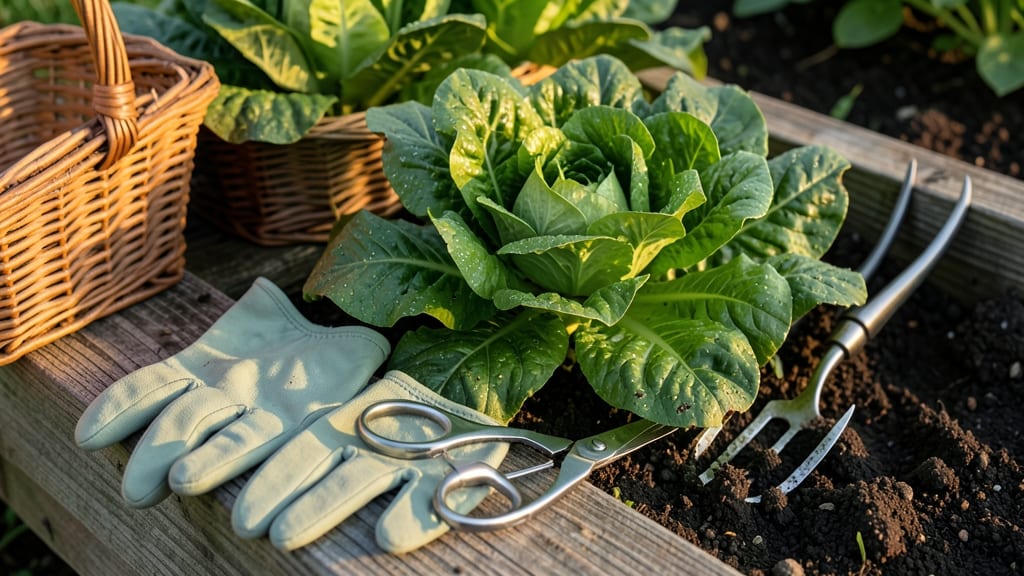
To pick lettuce from your garden at the perfect moment means crisp, flavorful leaves instead of bitter disappointment — and it’s all about watching for the right cues.
Harvesting lettuce at the wrong time can turn crisp, flavorful leaves into bitter, wilted disappointment—but timing it right unlocks a never-ending supply straight from your garden. The key is knowing when those outer leaves hit 4-6 inches and feel firm, not mushy.
Most gardeners wait too long, letting lettuce bolt into flower stalks or wilt in the heat. But with cut-and-come-again varieties, you can trim leaves every 2-3 weeks and keep harvesting all season long.
Below, I’ll walk you through the exact signs to watch for—from leaf size to stem firmness—and how to avoid the 5 biggest mistakes that ruin your harvest before it even starts.


Optimal lettuce harvesting times by variety and growth stage
Knowing when to pick lettuce from your garden transforms a simple salad green into a continuous harvest powerhouse. The timing varies dramatically between loose-leaf varieties and head lettuce types, with each requiring different maturity cues.
For example, butterhead lettuce needs a firm, rounded head, while romaine varieties signal readiness with crisp, elongated leaves. Missing these windows means bitter flavors or wasted effort—let’s dive into the exact signs and seasonal strategies to maximize your yield.
Seasonal timing is everything. Spring-planted lettuce typically reaches harvest in 6-8 weeks, while fall crops mature slightly faster due to cooler temperatures. In USDA Zone 6a, aim for May-June harvests in spring and September-October in fall.
Heat stress after 75°F (24°C) triggers bolting (flowering), so timing your harvest before summer’s peak is critical for flavor and texture.
Here’s your visual guide to lettuce harvesting times by variety and growth stage, including key indicators and seasonal adjustments:
| Variety Type | Harvest Timeframe | Key Size Indicators | Leaf Maturity Signs | Seasonal Notes |
|---|---|---|---|---|
| Loose-Leaf (e.g., Oakleaf, Lollo Rossa) | 30-45 days | 4-6" outer leaves | Deep green, crisp, no yellowing | Harvest leaf-by-leaf for regrowth |
| Butterhead (e.g., Bibb, Boston) | 50-60 days | 6-8" diameter head | Firm, rounded, buttery texture | Harvest whole head at once |
| Romaine (e.g., Paris Island, Little Gem) | 55-70 days | 10-12" tall, elongated | Crisp ribs, deep green | Cut outer leaves to encourage regrowth |
| Iceberg (e.g., Great Lakes) | 70-85 days | 8-10" diameter head | Firm, crisp, white inner leaves | Harvest entire head for best texture |
| Cut-and-Come-Again (e.g., Salad Bowl) | 30-50 days | 3-5" leaves | Tender, bright green | Harvest outer leaves weekly |
For loose-leaf varieties, focus on leaf tenderness and size. Harvest outer leaves when they reach 4-6 inches—this encourages regrowth and extends your harvest window by 3-4 weeks. Use clean scissors or pruners to snip just above the next set of leaves, leaving the growth point intact.
This method works best for spring and fall plantings, where cooler temps prevent bolting.
Head lettuce, like butterhead or iceberg, demands patience. Wait until the head is fully formed and firm to the touch—typically 60-85 days after sowing. For romaine, look for crisp ribs and a deep green color. Harvest the entire head at once by cutting the stem 1 inch above the soil to avoid damage. Timing is critical: harvest before summer heat or your lettuce will bolt, turning bitter and inedible.
Seasonal adjustments are key. In spring, lettuce matures faster due to cooler temps, so monitor growth closely. In fall, extend your harvest by planting 8-10 weeks before frost—this ensures crisp leaves even as temperatures drop.
Avoid harvesting in hot afternoons, as leaves wilt quickly. Instead, pick in the early morning when moisture levels are optimal for storage.
One common mistake is waiting too long for perfect size. Over-mature lettuce develops hard stems and bitter flavors
Leaf-by-leaf vs. whole head harvesting: which method maximizes your lettuce supply?
Deciding between leaf-by-leaf and whole-head harvesting for lettuce can transform your garden into a year-round salad bar—or leave you with wilted disappointment. The right method depends on your variety, seasonal goals, and how much effort you're willing to invest.
Leaf-by-leaf harvesting extends your harvest by weeks, while whole-head removal gives you a single, perfect head at peak maturity.
For cut-and-come-again varieties like romaine or buttercrunch, leaf-by-leaf is your best friend. These varieties regrow after a trim, giving you 3-4 harvests per season from the same plant. Meanwhile, head lettuces like iceberg or crisphead are designed for one-and-done harvesting—they bolt quickly if you try to coax them into regrowth.
Understanding these differences saves you time and frustration.
Leaf-by-Leaf Harvesting
Pros
- Extended harvest: 3-4 cuts per plant
- Continuous supply: Fresh leaves weekly
- Prevents bolting: Slows maturity
- Ideal for heat: Works in summer
Cons
- Limited to varieties: Not for head lettuce
- Smaller leaves: Outer leaves first
- Requires care: Keep soil moist
Whole Head Harvesting
Pros
- Perfect heads: Crisp, uniform texture
- One-time harvest: Less maintenance
- Best for storage: Lasts longer refrigerated
- Ideal for market: Commercial appeal
Cons
- No regrowth: Plant is finished
- Seasonal only: Best in spring/fall
- Risk of bolting: If left too long
When using the leaf-by-leaf method, start by harvesting the outer leaves first—they’re fully mature while inner leaves stay tender. Use clean, sharp scissors or pruners to snip leaves 1-2 inches above the base.
This encourages regrowth while keeping the plant healthy. For head lettuces, wait until the head is fully formed—usually 6-8 weeks—before cutting the entire head at the base with a knife.
Flavor is another key factor. Leaf-by-leaf harvesting delivers milder, sweeter leaves because you’re picking at peak tenderness. Whole-head harvesting, however, gives you the crispest, most uniform texture for salads or storage.
If you’re growing for long-term storage, whole-head is your winner. But if you want a never-ending supply, leaf-by-leaf is unbeatable.
For summer gardening, leaf-by-leaf is your secret weapon. Heat stresses lettuce, causing it to bolt quickly. By harvesting leaves as they mature, you trick the plant into staying productive longer.
In spring or fall, when temperatures are cooler, whole-head harvesting often yields the best results. Always check for bolting signs—tall stems with flower buds—and harvest before this happens.
My garden thrives with a mix of both methods. I dedicate one bed to cut-and-come-again varieties for a steady supply and another to head lettuces for special meals. By understanding when to use each, I’ve turned my lettuce harvest from a seasonal treat into a year-round staple. 🥬