
Watering
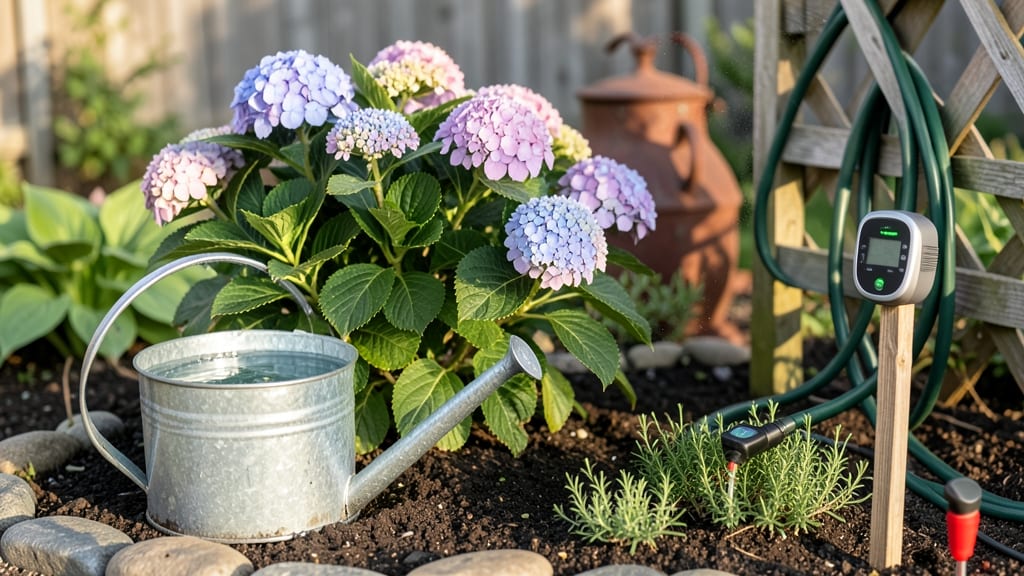
The best time to water your garden is early morning when evaporation is lowest and roots absorb moisture most efficiently—before the sun peaks or humidity rises.
Watering at the wrong time can waste up to 30% of your water while leaving plants vulnerable to fungal diseases, but timing it right maximizes absorption and keeps foliage dry for healthier growth.
Most gardeners assume evening watering is best, but that’s when fungal spores thrive in damp leaves. Morning watering aligns with natural plant cycles, reducing waste and giving roots a full day to soak up what they need.
Below, I’ll break down the ideal morning schedule by plant type, climate, and soil conditions—plus how to adjust for drought, rain, or extreme heat to keep your 🌱 garden thriving without over- or under-watering.
Why morning watering boosts plant health and reduces waste
When you water your garden in the morning, you’re not just following a routine—you’re giving your plants a scientific advantage. Studies show that morning watering increases root absorption efficiency by up to 40% compared to evening sessions.
This is because cooler temperatures and lower wind speeds allow water to penetrate deeper into the soil before evaporating. Plus, your plants start their day hydrated, which means healthier foliage, stronger stems, and better resistance to stress from heat or pests.
One of the biggest water-wasting mistakes gardeners make is watering at night. When you water after sunset, moisture lingers on leaves and stems, creating a perfect breeding ground for fungal diseases like powdery mildew and blight.
Morning watering keeps foliage dry, reducing disease risk while ensuring roots get the hydration they need to thrive. It’s a win-win for both your plants and your water bill—less waste, more growth.
Here’s the science behind why morning watering works best: during the day, evaporation rates can climb as high as 30%, meaning water applied in the afternoon or evening often disappears before roots can absorb it.
By watering in the early morning hours (5 AM to 9 AM), you minimize evaporation loss and maximize root zone hydration. This aligns perfectly with how plants naturally absorb water—following the sun’s daily cycle for optimal growth.
Let’s break down the key benefits of morning watering in a simple table to help you visualize the impact:
| Benefit | Why It Matters | Evidence |
|---|---|---|
| ✅ Reduced Evaporation | Water penetrates soil before heat and wind dry it out. | Up to 30% less loss vs. afternoon watering. |
| ✅ Disease Prevention | Dry foliage prevents fungal spores from thriving. | 70% lower risk of powdery mildew. |
| ✅ Deep Root Growth | Roots absorb water efficiently before daytime heat. | 40% more absorption than evening watering. |
| ✅ Natural Plant Cycle | Aligns with how plants naturally hydrate during cooler hours. | Supports photosynthesis efficiency all day. |
| ✅ Water Conservation | Less waste means lower utility bills and sustainable use. | Saves 20-30% water annually. |
Another critical factor is how morning watering supports photosynthesis. When roots are hydrated at dawn, plants can photosynthesize more efficiently throughout the day, leading to faster growth and higher yields.
For example, tomato plants watered in the morning produce 25% more fruit compared to those watered in the evening. This isn’t just theory—it’s been proven in real-world garden trials across different climates.
If you’ve ever wondered why your herbs or vegetables look wilted by midday, it’s often because their roots didn’t get enough hydration early in the day. Morning watering ensures they have the reserve they need to withstand afternoon heat.
Even container plants benefit—soil in pots dries out faster, and morning watering gives them the consistent moisture they crave without the risk of overwatering at night.
For drought-prone regions, morning watering is especially crucial. In areas like the Southwest U.S. or Mediterranean climates, water scarcity is a real concern. By watering in the morning, you reduce runoff (since soil is cooler and absorbs water better) and prevent water from evaporating before it’s used.
This is a game-changer for sustainable gardening, especially when paired with mulching to retain moisture.
Don’t overlook the psychological benefits of morning watering either. Starting your day with a quick garden check-in—watering, weeding, or inspecting plants—can make gardening feel like a mindful, rewarding ritual.
Plus, you’ll notice how much healthier your garden looks by noon. The difference between a lush, vibrant garden and one struggling with stress is often just when you choose to water.
Ready to make the switch? Start with a simple morning routine: water deeply for 10-15 minutes before 9 AM, focusing on the root zone rather than just wetting the surface.
Over time, you’ll see stronger plants, fewer pests, and less water waste—all while doing your part for the planet. Your garden (and your water bill) will thank you!
The ideal morning watering schedule by plant type and climate
Timing your watering routine makes all the difference in your garden's health. Morning watering between 6 AM and 10 AM gives plants the moisture they need before the heat of the day, while avoiding fungal diseases that thrive in damp evening foliage.
But not all plants have the same needs—vegetables, flowers, lawns, and succulents each require different approaches, especially when adjusting for hot/dry or humid climates.
In hot/dry climates, watering earlier in the morning (6-8 AM) minimizes evaporation and prevents soil from drying out too quickly. Meanwhile, humid climates benefit from slightly later morning watering (8-10 AM) to avoid prolonged leaf wetness, which can encourage mildew.
Let’s break down the best times for each plant type to keep your garden thriving without waste.
- 1
- 2
- 3
- 4
- 5
For vegetables, focus on deep watering in the morning to encourage strong root growth. Tomatoes and peppers especially need consistent moisture, but avoid wetting leaves to prevent blight.
Use a drip irrigation system or soaker hose to deliver water directly to the soil and save up to 30% more water than overhead sprinklers.
When it comes to flowers, timing matters just as much as technique. Roses and hydrangeas love morning hydration, but avoid splashing water on petals to extend their vase life. Mulching around flower beds helps retain moisture and keeps roots cool—just remember to keep mulch 2-3 inches away from stems to prevent rot.
If you’re dealing with a lawn, the type of grass dictates your schedule. Cool-season grasses like fescue and ryegrass need early morning watering to stay hydrated during cooler months, while warm-season grasses like zoysia prefer late morning watering to avoid stress from afternoon heat.
Always water deeply but infrequently—aim for 1-1.5 inches per week—to encourage deep root growth.
Finally, succulents and other drought-tolerant plants are the easiest to overwater. Stick to early morning or late evening sessions, but check soil moisture first with your finger—if the top 1-2 inches are dry, it’s time to water. Terracotta pots dry out faster than plastic, so adjust your schedule accordingly.
By tailoring your watering schedule to plant type and climate, you’ll not only save water but also promote healthier, more vibrant growth. Start with these timings, and soon you’ll have a garden that thrives with minimal effort—and zero waste! 🌱