
How To
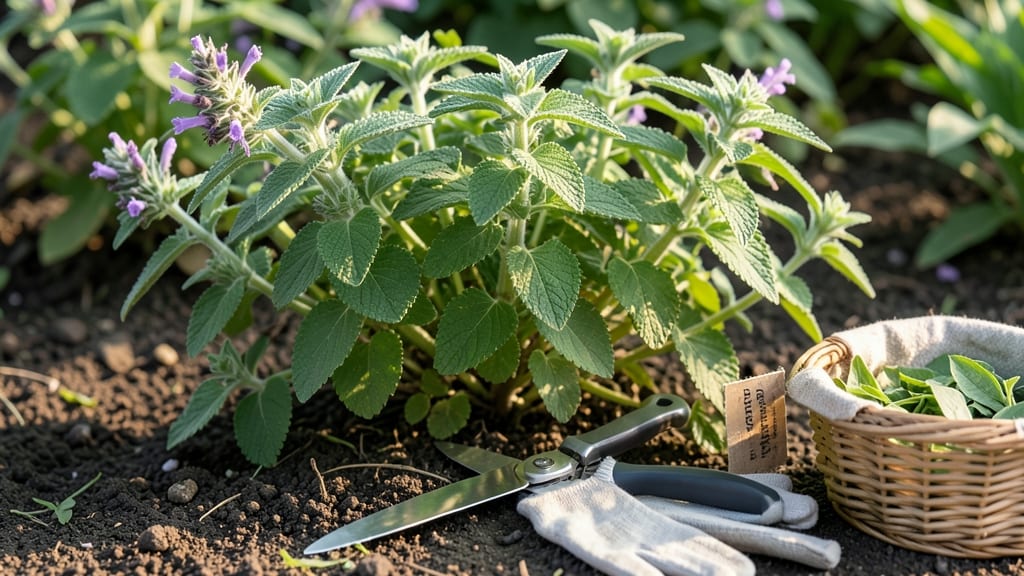
To harvest catnip at its peak potency, aim for the bend-but-don’t-snap stage when stems flex but don’t break under gentle pressure—this is when the leaves pack the most aromatic power.
Catnip isn’t just for playful cats 🐱—it’s a versatile herb with calming properties for humans too. But knowing when to harvest it (before stems bend but don’t snap) and how to maximize yield can turn a good crop into a bountiful one.
Harvesting too early means weak flavor, while waiting too long reduces potency and invites flowering. The ideal window is June through September, when leaves are fully developed and emit that signature minty scent.
In this guide, I’ll walk you through the exact techniques—from pruning tools to drying methods—to preserve your harvest’s potency while keeping your plants healthy for future yields.


When to harvest catnip for maximum potency and yield
Timing your catnip harvest is everything—especially if you want the highest potency and best yield. The famous "bend-but-don’t-snap" rule isn’t just folklore; it’s rooted in plant physiology.
When catnip stems bend easily but don’t break, the plant has reached its peak THM (trimethylamine) levels—the compound that makes catnip irresistible to cats (and beneficial for humans). Harvest too early, and you miss potency; too late, and the leaves become bitter and woody.
I’ve learned the hard way that leaf color and stem flexibility are your best friends. Dark green, aromatic leaves with a slightly fuzzy texture signal readiness. Meanwhile, stems should bend 90 degrees without snapping—this means the plant’s energy is focused on leaves, not seed production.
If stems snap easily, you’ve waited too long.
Most catnip varieties reach this perfect stage between 60 and 90 days after planting, depending on your climate. In USDA Zone 6a (like my garden), I aim for mid-summer harvests (June–July) when days are long and growth is rapid.
If you’re in a warmer zone, expect earlier harvests—sometimes as early as late May.
Pro tip: Crush a leaf between your fingers before harvesting. If it releases a fresh, minty-catnip aroma, you’re golden. A weak or musty smell means the plant is past its prime.
I also check for new growth—if the plant is still producing fresh leaves after a harvest, it’s ready for another round in 2-3 weeks.
Morning harvests yield the most potent leaves because essential oils (like THM) concentrate overnight. Avoid harvesting after rain or in the heat of the day—this can dilute potency and attract pests. I’ve found that early morning (between 8–10 AM) gives me the freshest, most aromatic catnip.
One common mistake I see is harvesting flowering catnip. Once flowers appear, the plant redirects energy to seed production, and THM levels drop by 50%. Save those plants for seeds if you want to propagate more catnip next year, but skip them for harvests meant for potency.
For maximum yield, I recommend harvesting every 3-4 weeks during peak season. This encourages bushier growth and prevents the plant from becoming leggy. Just be sure to never remove more than 1/3 of the plant at once—this keeps your catnip healthy and productive for months.
If you’re growing catnip for drying, harvest on a sunny, dry day and process leaves immediately. Wet leaves take longer to dry and risk mold. For fresh use, harvest just before you need it—potency fades within 24 hours of picking.
Remember, consistency is key. The more you harvest at the right stage, the more your catnip will reward you with lush, potent growth. Start small, observe your plants closely, and soon you’ll have a self-sustaining catnip supply that’s perfect for cats, teas, or tinctures! ✂️🌿
Step-by-step catnip harvesting techniques for beginners
Harvesting catnip at the right time ensures maximum potency and keeps your plants thriving. The key is to harvest when the stems bend but don’t snap—this means the plant is mature enough for peak flavor and aroma but not yet overgrown.
For beginners, this might feel tricky at first, but with the right techniques, you’ll master it in no time.
Before you begin, gather your tools: a pair of sharp pruning shears, a clean basket or bucket, and optional gloves if you’re sensitive to the plant’s oils. Always work on a dry morning after the dew has evaporated to prevent moisture buildup, which can lead to mold during drying.
This simple setup ensures a smooth and efficient harvest every time.
- 1 Choose the right time: Harvest in the morning after the dew has dried but before the sun is at its peak. This preserves the plant’s essential oils and makes handling easier.
- 2 Select healthy stems: Look for stems that are woody but flexible. Avoid harvesting stems that are already flowering or have yellowed leaves, as these reduce potency and quality.
- 3 Use clean tools: Sanitize your pruning shears with rubbing alcohol before cutting. This prevents the spread of disease and keeps your plants healthy for future harvests.
- 4 Cut just above a leaf node: Make your cuts at a 45-degree angle about 1/4 inch above a leaf node. This encourages new growth and prevents the plant from looking messy.
- 5 Harvest selectively: For fresh use, pick individual leaves or small stems. For drying, harvest entire stems to maximize yield. Never take more than one-third of the plant at once to avoid stressing it.
- 6 Process immediately: If using fresh, rinse the leaves briefly under cool water and pat dry. For drying, bundle stems together and hang upside down in a dark, well-ventilated area for 1-2 weeks.
Once you’ve harvested your catnip, the next step is deciding whether to use it fresh or dried. Fresh catnip is perfect for teas or pest control in the garden, while dried catnip retains its potency longer and is ideal for making cat toys or long-term storage.
For drying, I recommend air-drying over oven-drying to preserve the plant’s natural oils and flavors.
If you choose to oven-dry, set the temperature to 170°F (77°C) and dry the stems for 1-2 hours, checking frequently to avoid burning. Once fully dry, strip the leaves from the stems and store them in an airtight container away from direct sunlight.
Proper storage ensures your catnip stays fresh and potent for up to a year.
Remember, the goal is to harvest sustainably. By following these techniques, you’ll encourage your catnip plants to grow bushier and produce more leaves for future harvests. With a little practice, you’ll become a pro at harvesting catnip—and your plants (and cats!) will thank you.