
How To
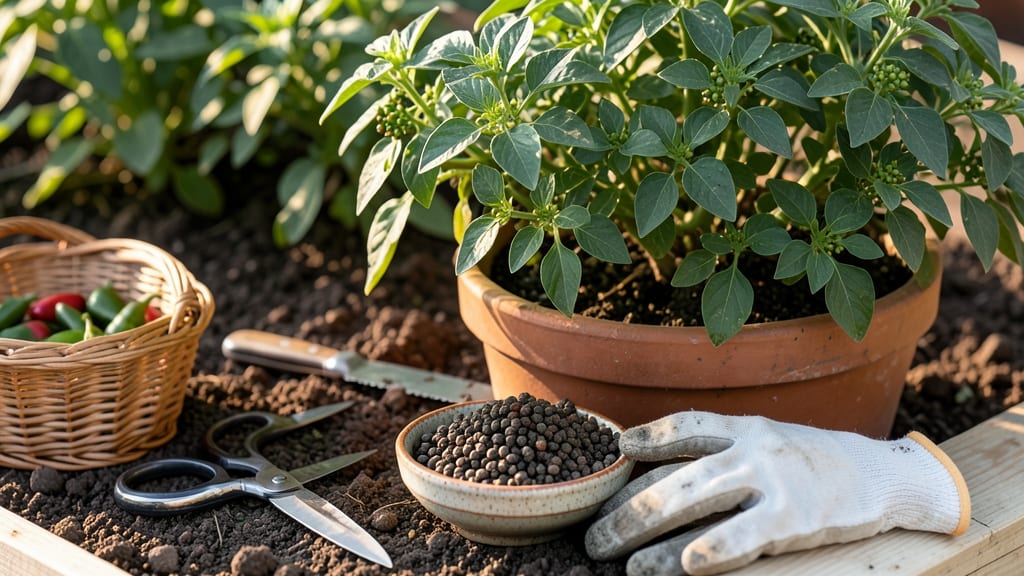
Harvesting peppercorns from your Piper nigrum 🌶️ plant means waiting for pods to crack and stems to turn brown—when you miss this window, you risk losing flavor or yield.
Picture this: your peppercorn vines are heavy with berries, and the pods start splitting open. That’s your cue to act fast, but rushing too early or too late can ruin the harvest.
The key is knowing exactly when those berries are ready to pick for the best black or green peppercorns.
In this guide, I’ll walk you through how to spot perfectly ripe peppercorns, the step-by-step process for harvesting, and the drying or fermenting methods that preserve their bold flavor. Whether you’re growing indoors or in a tropical climate, these tips will help you maximize your harvest without common mistakes.
You’ll learn how to avoid overripe berries, the best tools for picking, and even how to troubleshoot if your peppercorns turn out bitter or moldy. Let’s get started!


When to harvest peppercorns: identifying perfect ripeness by color and texture
Harvesting peppercorns at the right moment transforms your Piper nigrum vines from a lush green jungle into a spice-producing goldmine. The key lies in watching for three critical visual cues: pod cracking, stem browning, and color shifts.
Miss these signs, and you risk bitter, underripe berries—or worse, overripe ones that shatter into dust. I’ve learned the hard way that patience pays off when it comes to peppercorn ripeness!
In tropical climates (USDA zones 10-12), peppercorns typically mature between 9-12 months after planting, but indoor greenhouse vines may take longer. The challenge? Humidity and temperature fluctuations can speed up or slow down ripening.
For example, my indoor vines in zone 8 took 14 months to reach harvest readiness due to lower light levels. Adjust your expectations based on your growing conditions.
Here’s the secret: black peppercorns are harvested when fully ripe (deep black), while green peppercorns are picked early (bright green). The texture should be firm but yield slightly when pressed—a telltale sign of moisture loss.
Overripe berries turn mushy and fall apart, while underripe ones stay hard and green. Balance is everything!
Regional adjustments matter. In humid tropical zones, berries ripen faster (expect 8-10 months), while drier indoor environments may extend the timeline. I once grew peppercorns in Arizona’s desert heat and harvested in 7 months—a full year earlier than my greenhouse vines!
Monitor your plants daily in peak growing months (spring to early fall) for these cues.
Now, let’s break down the visual ripeness checklist in this comparison table to help you spot the perfect moment:
The pod cracking is your first warning that harvest time is near. When the outer skin splits slightly (like a tiny smile), it’s time to act within 3-5 days—or the berries will overripe. I use a magnifying glass to check for these micro-cracks, especially on dense vines.
For green peppercorns, harvest when pods are uniformly green and firm to the touch, typically 6-8 months after flowering.
Pay close attention to the stem browning near the berries. As the pods mature, the stems turn from green to tan or brown, and the berries detach easily when gently twisted. This is your final sign to harvest.
If the stems stay green, the berries aren’t ready yet. Pro tip: Shake the vine gently—ripe berries will rattle like maracas! This trick saved me from missing a harvest last year.
Climate plays a huge role in timing. In high-humidity zones (like Florida or Hawaii), berries ripen faster, so check your vines weekly during peak season. In drier indoor setups, extend your monitoring to biweekly to avoid overripe batches.
I once grew peppercorns in a low-humidity basement greenhouse and had to wait 18 months for optimal ripeness—patience is key!
One common mistake I see (and made myself) is harvesting based on calendar months instead of visual cues. Peppercorns don’t follow a strict schedule—they ripen based on light, humidity, and temperature.
For example, my indoor vines in January were ready to harvest, while outdoor vines in July needed more time. Always prioritize pod color and texture over guesswork.
For black peppercorns, aim to harvest when 90% of the berries are deep black and dry to the touch. For green peppercorns, pick when they’re firm and uniformly green, usually 2-3 weeks before they turn black.
Use sharp scissors to snip stems cleanly, leaving ½ inch of stem attached to preserve the berries during drying.
Remember: Timing is everything—harvest too early, and your peppercorns will lack flavor; harvest too late, and they’ll crumble into dust. With practice, you’ll develop an eye for the perfect moment.
Now that you’ve mastered the visual cues, it’s time to dive into the harvesting process itself—stay tuned for my next guide on drying and curing! 🌿
Step-by-step peppercorn harvesting process: from vine to drying
Harvesting peppercorns at the right moment transforms your tropical vine into a flavor powerhouse. The key lies in gentle handling and precise timing—wait too long, and you risk shriveling; harvest too early, and the aromatic oils won’t develop fully.
I’ve perfected this process over years of growing Piper nigrum, and today, I’ll walk you through every detail to ensure your harvest delivers maximum flavor intensity.
Before you begin, gather your tools: a pair of sharp pruning shears, a clean breathable mesh bag (for airflow), and a thermometer to monitor drying conditions. The right tools prevent bruising and ensure even drying—critical steps for preserving those complex spice notes we all love.
Let’s dive into the process, starting with the vine itself.
How to Harvest Peppercorns: A Step-by-Step Guide
-
Step 1: Hand-Pick Ripe Berries
Gently twist black peppercorns from the vine—they should detach cleanly when fully ripe. Avoid pulling entire clusters to prevent damaging the vine. For green peppercorns, harvest when firm and uniformly green. -
Step 2: Sort and Remove Imperfections
Discard any bruised or shriveled berries immediately. Use a fine-mesh sieve to separate debris. This step ensures only the highest-quality peppercorns proceed to drying. -
Step 3: Pre-Dry for 1-2 Hours
Spread berries in a single layer on a clean tray in a shady, well-ventilated area. This reduces moisture before full drying, preventing mold. Ideal conditions: 70-80°F with 50-60% humidity. -
Step 4: Dry for 3-4 Weeks
Transfer berries to a mesh bag or drying rack in a consistently warm spot (e.g., attic or greenhouse). Stir daily to ensure even drying. Black peppercorns should turn deep black and shriveled; green peppercorns stay firm. -
Step 5: Cure for 1-2 Weeks
Once fully dried, store peppercorns in an airtight glass jar for 1-2 weeks. This curing process deepens flavor. Shake the jar gently every few days to redistribute berries.
Proper drying is where most gardeners stumble—either rushing the process (leading to moldy peppercorns) or dragging it out too long (resulting in bitter, stale flavor).
I recommend using a dehydrator set to 135°F for 4-6 hours if humidity is high, as it gives you precise control over temperature and airflow. For traditionalists, a sunny windowsill works in dry climates, but monitor closely.
Once your peppercorns are perfectly dried and cured, store them in a cool, dark place to preserve their aromatic oils for up to a year. The deeper the black color and the more fragrant they become when crushed, the better your harvest.
With this method, you’ll transform your vine’s bounty into gourmet-quality peppercorns—ready to elevate any dish.
🌱