
How To
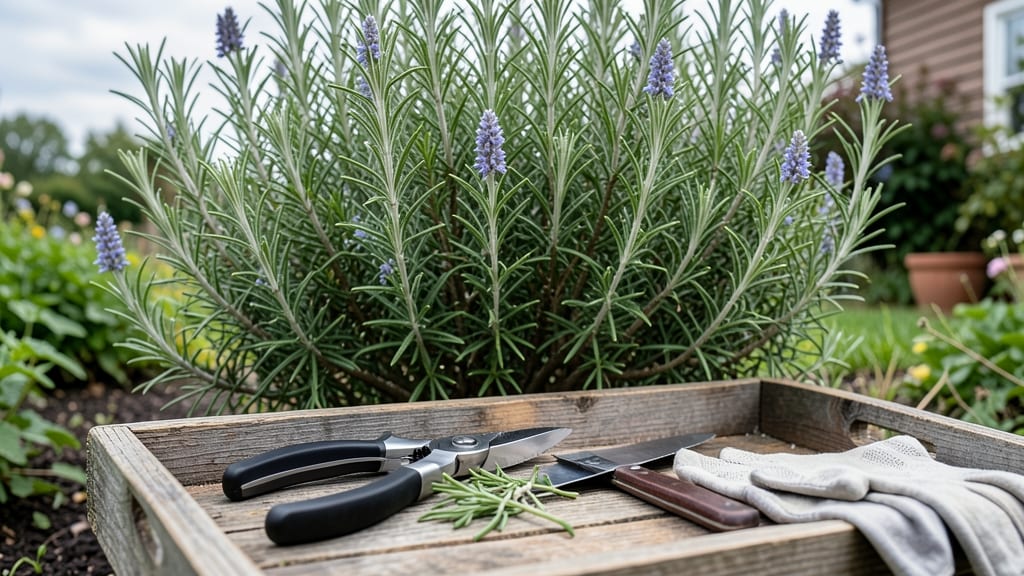
Harvesting rosemary plant at the right time ensures bold, fragrant sprigs instead of woody stems you can’t use.
Picture this: you’ve nurtured your 🌿 rosemary for months, only to snip a branch and find it’s tough as a two-by-four. That’s the moment you realize timing is everything—and pruning technique matters just as much.
Most gardeners miss the 6-8 month window when rosemary’s needles are at their peak, just before flowering. I’ll show you how to spot the perfect stems, make 3 key cuts that keep your plant bushy, and avoid the common mistakes that turn your herb into a decorative (but useless) shrub.
From kitchen use to drying bundles, you’ll learn how to preserve that piney, citrusy flavor—and even revive a leggy plant so it keeps producing for years.


When to harvest rosemary: signs stems are ready (and when they’re too late)
Harvesting rosemary at the right time ensures maximum flavor and prevents those woody stems that ruin your cooking. The key is timing—cut too early, and you’ll get mild, underdeveloped leaves; wait too long, and the stems harden beyond use.
I’ve learned the hard way that patience pays off when harvesting this drought-loving perennial.
Your rosemary plant signals readiness through three clear visual cues: stem flexibility, leaf color, and growth stage. For spring harvests, aim for new growth after winter dormancy, while fall harvests should target established stems before the first frost.
Let’s break down what to look for and when to act.
Here’s a quick reference to help you spot the perfect harvest window:
| Harvest Indicator | Spring Harvest (Mar-May) | Fall Harvest (Sep-Nov) | Action Required |
|---|---|---|---|
| Stem Flexibility | Slightly bendable (not brittle) | Firm but bendable (avoid hard wood) | Harvest before stems harden |
| Leaf Color | Deep green, vibrant | Rich green, fragrant | Avoid yellowing or pale leaves |
| Growth Stage | Post-winter regrowth (3-4 months old) | Established stems (1+ years old) | Prune to encourage bushiness |
| Aroma Test | Strong, piney scent | Intense herbal fragrance | Weak scent = overripe |
| Avoid When | Stems are soft or flowering | Leaves turn brown or brittle | Wait for next growth cycle |
The spring harvest window (March-May) is ideal for new growth after winter dormancy. Look for stems that are slightly bendable—not brittle like dry kindling. In my garden, I’ve found that harvesting in early spring encourages bushier growth later in the season.
If you miss this window, don’t panic; rosemary is forgiving.
For fall harvests (September-November), focus on established stems that are firm but still bendable. Avoid harvesting when temperatures drop below 40°F (4°C), as cold stress can make stems woody faster. I always aim to harvest before the first frost to preserve flavor and prevent winter damage.
One common mistake is waiting until stems become hard and woody—this is a sure sign you’ve missed the harvest window. Woody stems are useless for cooking but can still be used for potpourri or crafts.
To avoid this, I prune my rosemary regularly—every 3-4 months—to maintain flexibility and encourage new growth.
If your rosemary is younger than 6 months, hold off on harvesting. Young plants need all their energy to establish roots. I’ve seen many gardeners rush this process and end up with stunted plants. Instead, focus on watering deeply and providing full sun exposure to build a strong foundation.
Pro tip: Always harvest in the morning when essential oils are at their peak. Use clean, sharp pruners to make clean cuts just above a leaf node. This encourages new side shoots to grow, keeping your plant lush and productive.
I keep a small pair of pruners dedicated solely to rosemary to prevent cross-contamination with other herbs.
Over-harvesting can stress your rosemary plant, leading to woody stems and reduced flavor. As a rule, never remove more than one-third of the plant at once. In my experience, a well-maintained rosemary bush can provide year-round harvests with proper care and timing.
To test if your rosemary is ready, gently bend a stem. If it snaps easily, it’s past its prime. If it bends slightly without breaking, it’s perfect for harvesting. This simple test has saved me from countless woody stem disasters in my garden.
3 Essential rosemary cutting techniques for maximum flavor and plant health
Harvesting rosemary correctly keeps your plant lush and productive while ensuring the best flavor. The key is timing—cut too early, and the stems are tender and flavorless; wait too long, and they become woody and bitter.
Master these three cutting techniques to balance harvests with plant health, and your rosemary will reward you with aromatic sprigs year after year.
First, always use clean, sharp pruners or scissors to avoid crushing stems. Cut just above a leaf node (where leaves meet the stem) to encourage new growth. This simple step prevents dead wood and keeps your rosemary bushier and fuller.
Below, I’ll walk you through the three essential techniques—each with its own purpose and timing—so you can harvest like a pro.
- 1. The Third-Cut Rule: After your rosemary flowers, cut back one-third of the plant to maintain shape and prevent overgrowth. This encourages new side shoots and keeps the center from becoming bare and woody.
- 2. Seasonal Trimming for Bushiness: In early spring, prune 1/3 of the oldest stems to stimulate fresh growth. Repeat in late summer to remove leggy or overgrown branches before winter dormancy.
- 3. Reviving Leggy Plants: If your rosemary stretches tall and sparse, cut back all stems to 4-6 inches in early spring. This drastic prune forces new, compact growth and restores a full, bushy shape.
For the third-cut rule, focus on mature stems that are at least 1/4-inch thick. These stems hold the most concentrated flavor and can be used fresh or dried. Always cut just above a leaf node—never at a bare stem—to avoid dead wood.
This method works best in late summer or early fall, just before flowering, when the plant is energetic but not yet stressed.
Seasonal trimming in spring and summer keeps your rosemary compact and healthy. Aim to remove only 10-20% of the plant at a time to avoid shocking the roots.
Use your fingers to pinch off tender new growth for microgreens, or snip larger stems with pruners for drying or cooking. This approach ensures a steady supply of fresh rosemary without sacrificing the plant’s vigor.
If your rosemary looks leggy or sparse, don’t panic—it’s not too late to revive it! Cut back all stems to 4-6 inches in early spring, just as new growth begins. This drastic prune might look harsh, but it triggers vigorous regrowth from the base.
Water deeply after pruning and fertilize lightly in 4-6 weeks to support recovery. Within a few months, your rosemary will bush out beautifully.
After harvesting, always store rosemary properly to preserve its aroma and freshness. For short-term use, wrap sprigs in a damp paper towel and refrigerate for up to 10 days.
To dry, hang bundles upside down in a dark, dry place for 2-3 weeks. Freezing sprigs in olive oil is another great option for long-term storage.
With these three techniques, your rosemary will stay healthy, flavorful, and productive for years. The key is consistency—prune regularly, avoid over-harvesting, and always cut at the right time. Your efforts will pay off with abundant, aromatic rosemary ready for your kitchen or garden! 🌿✂️🌱