
How To
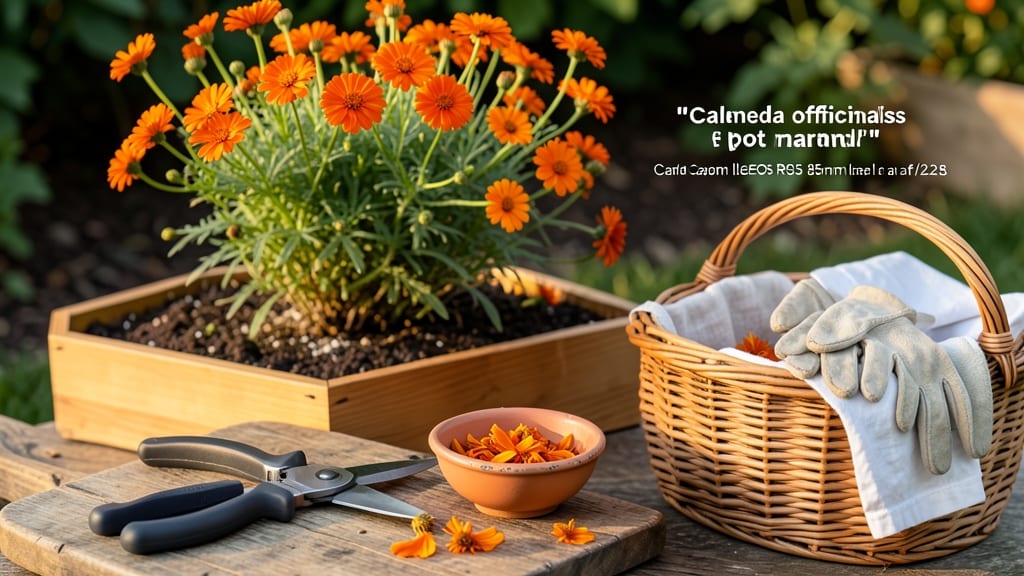
Harvesting calendula for tea at the right time unlocks its full medicinal and flavor potential—bright petals packed with healing properties when picked perfectly.
Picture this: you’ve nurtured your 🌼 calendula all spring, and now the flowers are ready—but how do you know when to snip for the best tea? Harvest too early, and the flavors will be weak; too late, and the petals lose their potency.
The secret lies in timing, a gentle touch, and knowing exactly which blooms to pick.
In this guide, I’ll walk you through the best time to harvest (morning vs. afternoon), how to spot perfectly ripe petals, and the drying tricks that preserve flavor and color.
Whether you’re brewing a soothing cup for stress or a golden remedy for skin, these steps ensure your tea is as potent as the garden it came from.
By the end, you’ll confidently harvest like a pro—no more guesswork, just maximum potency in every sip. Let’s get started.


Best time to harvest calendula flowers for tea potency
Harvesting calendula at the right moment transforms your garden into a natural apothecary. The key lies in timing—peak bioactive compounds like flavonoids and carotenoids reach their highest levels when flowers are fully mature but before they overripen.
This means bright orange-yellow petals that are wide open yet still crisp, not wilted or browning at the edges.
Morning harvests are ideal because dew has evaporated but the flowers haven’t yet faced the day’s heat. This preserves their moisture content and prevents wilting during drying. If you must harvest later, choose cool afternoons in warm climates (Zones 8+) to avoid stressing the plants with midday heat.
In cool climates (Zones 3-6), aim for late morning harvests between 9 AM and 11 AM when temperatures are mild.
Early summer through early fall (June to September) offers the longest harvest window, but late-season flowers (October in cooler regions) can still yield potent tea—just ensure they’re fully open before picking.
Seasonal timing matters too. First harvests in June or July (depending on planting date) will have the highest carotenoid levels, giving your tea its signature golden hue and anti-inflammatory benefits. By late summer, focus on harvesting fully open flowers before the first frost, as cold stress reduces potency.
| Factor | Optimal Time | Climate Adjustments |
|---|---|---|
| Time of Day | Morning (9 AM–11 AM) | Cool climates: Early morning; Warm climates: Late morning/afternoon |
| Flower Maturity | Fully open petals, slight browning in center | Avoid flowers with yellowing edges or wilted petals |
| Seasonal Window | June–September (peak); October (before frost) | Cool climates: Extend to October; Warm climates: Harvest year-round |
| Bioactive Compounds | Highest in fully open, dry-but-crisp petals | Drought stress increases carotenoids; overwatering dilutes potency |
Look for three key signs before harvesting: fully open petals that are bright and vibrant, a slightly brown center (indicating maturity), and stems that snap cleanly when bent. These cues confirm the flavonoid and carotenoid levels are at their peak.
Avoid harvesting flowers with yellowing edges or soft stems, as these indicate overripeness and reduced potency.
For maximum tea potency, prioritize dry, sunny days for harvesting. Humidity can promote mold during drying, so avoid harvesting after rain or in high-humidity climates unless you can dry the petals quickly indoors.
If you’re in a tropical climate, harvest in the early morning and dry immediately to prevent spoilage.
Pro tip: Harvest every 2–3 days during peak season to encourage continuous blooming. This pruning-like technique also prevents the plant from putting energy into seed production, redirecting it toward new flower growth.
Just be sure to never harvest more than 1/3 of the plant at once to avoid stressing it.
Climate plays a surprising role in harvest timing. In warm climates (Zones 9+), calendula may bloom year-round, but summer heat can reduce potency. Harvest in early morning or late afternoon to avoid the midday sun’s stress.
In cool climates, focus on late spring to early fall, as frost will kill the plant and winter dormancy halts growth.
Remember, freshness is key for tea potency. Once harvested, dry petals within 24 hours to lock in their medicinal properties. Store dried calendula in airtight containers away from light to preserve flavor and color for up to 12 months.
With the right timing, your garden can become a year-round source of healing tea.
Leaf-by-leaf test: how to identify perfectly potent calendula
Not all calendula petals are created equal when it comes to tea-making potency. The key lies in a leaf-by-leaf evaluation before harvesting. I’ve learned that bright orange petals with no yellowing edges signal peak bioactive compounds, while dull or wilted flowers mean lost flavor and medicinal benefits.
Start by examining the petal color intensity. Ideal calendula for tea should have vibrant orange-yellow petals with no fading or browning. Even a single yellowing edge means the flower is overripe and will produce a bitter tea. I always check for uniform color distribution across all petals.
Next, give the stem a gentle squeeze. A firm, crisp stem indicates a healthy flower ready for harvest. If the stem feels soft or mushy, the flower is past its prime and may attract pests.
I also look for dew-free stems in the morning, as excess moisture can dilute the flower’s potency.
Don’t forget the scent test—this is my secret weapon! Hold a flower close to your nose. Potent calendula should emit a warm, slightly spicy aroma. Weak or no scent means the flower lacks the flavonoids and carotenoids that make calendula tea so beneficial for skin and digestion.
🌼 Perfect vs. Poor Calendula for Tea
✅ Ideal Flowers
- Petal color: Bright orange-yellow
- Stem firmness: Crisp and sturdy
- Scent: Strong, spicy aroma
- Harvest time: Morning (dew-free)
❌ Subpar Flowers
- Petal color: Pale or yellowing edges
- Stem firmness: Soft or mushy
- Scent: Weak or absent
- Harvest time: Late afternoon (wilted)
Pro tip: Harvest flowers that are fully open but before seeds form. Once the center turns brown, the petals lose their anti-inflammatory properties. I always cut stems at a 45-degree angle just above a leaf node to encourage bushier growth and more blooms.
Finally, avoid harvesting flowers that have visible pest damage or signs of disease like black spots. Even one damaged flower can contaminate your entire batch.
When in doubt, I follow the three-flower rule: if more than one flower in a cluster fails the leaf-by-leaf test, I skip that entire stem.
With these simple tests, you’ll always harvest calendula at its peak potency, ensuring every cup of tea packs maximum medicinal benefits. Happy harvesting! 🌼