
How To
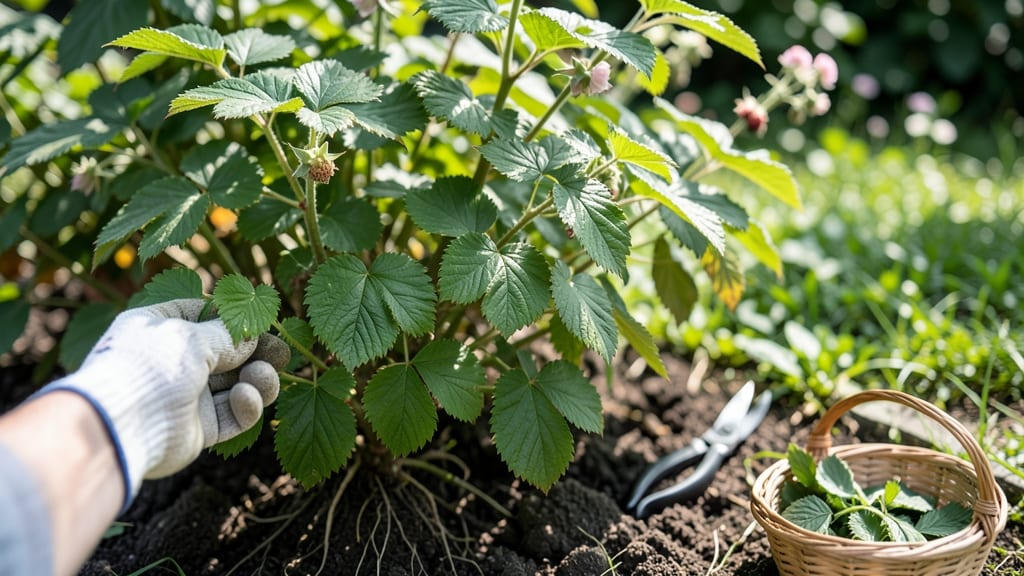
Harvest raspberry leaves in early spring before flowering 🍇 — that’s when they’re packed with the most nutrients and flavor, and the plants are still focused on leaf growth.
Picture this: You’ve spent months nurturing your raspberry patch, only to reach for the leaves in summer and find them tough, bitter, and lacking the delicate taste you crave. That’s because timing is everything, and missing the 3- to 4-inch tender-shoot window means sacrificing both quality and potency.
Below, I’ll walk you through the science behind the three key tests (color, texture, and aroma) to nail the perfect harvest, plus how to prepare them for teas, salads, or even pest-repellent sprays—all without stressing the plant.
Whether you’re growing raspberries for culinary use or medicinal benefits, knowing when to pick makes the difference between a nutrient-rich harvest and wasted effort. Let’s get started.


3 Scientific leaf tests to determine perfect raspberry leaf harvest time
Harvesting raspberry leaves at the wrong time can turn a nutrient-packed bounty into a bitter, tough mess. The key? Understanding three scientific tests that reveal when leaves are at their peak—before they harden or develop that grassy, astringent taste.
These tests aren’t just guesswork; they’re based on leaf physiology and nutrient density research.
Think of it like picking strawberries—you wouldn’t grab an overripe one, right? Raspberry leaves follow the same rules. The color test, texture test, and aroma test work together to give you a foolproof system.
Master these, and you’ll never waste another harvest again. Let’s dive into the science behind each test and why spring leaves often win over summer ones.
- 1. Color Test: Leaves should be vibrant green (not deep or yellowing). Use your thumb to press gently—no bruising means peak freshness.
- 2. Texture Test: Pinch a leaf between fingers. Tender and slightly pliable = ready. If it feels leathery or woody, wait or harvest differently.
- 3. Aroma Test: Crush a leaf between fingers. A fresh, slightly sweet scent = optimal. Bitter or musty smells mean it’s past prime.
💡 Pro Tip: Early spring leaves (before flowering) score highest in all three tests.
Let’s start with the color test, the most visual cue for harvest readiness. In early spring, raspberry leaves emerge as bright, almost neon-green shoots. This isn’t just a pretty sight—it’s a sign of high chlorophyll and young leaf tissue, which translates to maximum vitamin C and antioxidants.
Wait until the leaves are fully unfurled but still tender—think of them like baby spinach rather than mature kale.
If you harvest too early, you’ll get tiny, curled leaves that lack flavor and nutrients. Too late, and the leaves turn dull green or reddish, signaling lower nutrient density and a bitter, astringent taste.
Use a colorimeter app (or just your eyes) to spot the vibrant green hue—this is your green light to harvest.
The texture test is where many gardeners go wrong. A raspberry leaf at peak harvest should feel soft and slightly crisp, like a fresh basil leaf. To test: Hold a leaf between your thumb and forefinger, then gently press.
If it bends without resistance, it’s ready. If it springs back or feels leathery, it’s past its prime. This test is especially critical in late spring, when leaves start to harden in preparation for flowering.
For a hands-on example, try this: Rub a leaf between your fingers. A smooth, silky texture means it’s perfect. A rough or grainy feel? That’s a sign the leaf is woody or fibrous, which happens as the plant shifts energy to fruit production.
Pro tip: Harvest leaves from the outer canes first—they’re often younger and more tender than those in the center.
Now, let’s talk aroma, the final puzzle piece. A ripe raspberry leaf should smell fresh, slightly sweet, and herbaceous—like a cross between mint and green tea. Crush a leaf between your fingers and take a deep sniff.
If it smells musty, bitter, or overly grassy, it’s time to wait or switch canes. This test is your smell-based quality control, ensuring you avoid old or pest-damaged leaves.
Why does aroma matter? Because volatile compounds (like limonene and linalool) peak when leaves are young. These same compounds are what make raspberry leaves culinary versatile—think infused oils, teas, or pest-repellent sprays.
If a leaf smells off, it’s likely oxidized or stressed, which happens when you harvest during heatwaves or drought.
Timing is everything, and spring harvests (March–April) often outperform summer ones. That’s because summer leaves are older, tougher, and lower in nutrients as the plant focuses on fruit production. For a nutrient-dense harvest, prioritize young spring leaves—they’re packed with ellagic acid, quercetin, and vitamin C.
Save summer leaves for pest control or compost if they fail the tests.
Here’s my golden rule: Harvest raspberry leaves in the morning after dew has dried. This ensures maximum moisture content and freshness. Avoid harvesting after rain or in the late afternoon, when leaves can become wilting or waterlogged.
And always use clean, sharp scissors—never tear leaves, as this damages the plant and invites pests or disease.
Spring vs. summer harvest: which season yields the best raspberry leaves?
Harvesting raspberry leaves at the right time transforms them from bitter and tough to tender, nutrient-packed greens. In early spring, young leaves are packed with vitamin C and antioxidants, while late summer leaves offer milder flavors but fewer nutrients.
The key lies in understanding each season's unique benefits—and pitfalls.
Spring leaves, harvested in March-April before flowering, are prized for their high nutrient density. These tender shoots contain up to 30% more vitamin C than summer leaves, making them ideal for teas, pestos, or salads.
Meanwhile, summer leaves—collected in July-August—are larger but often tougher, with a stronger, more bitter flavor profile.
⚠️ Avoid harvesting during peak fruiting (June-July) or when leaves show signs of stress like yellowing or wilting. These periods compromise both flavor and nutritional value, leaving you with leaves that are best composted rather than consumed.
| Harvest Time | Nutrient Profile | Flavor | Best Uses | Avoid If |
|---|---|---|---|---|
| Early Spring (March-April) | High vitamin C, antioxidants | Mild, sweet | Teas, pestos, salads | Leaves are curled or damaged |
| Late Summer (July-August) | Moderate nutrients | Bitter, robust | Infusions, soups | Leaves are woody or spotted |
| Never Harvest | Low nutrients | Harsh, unpleasant | N/A | During fruiting (June-July) or after frost |
For spring harvests, focus on young, unfurled leaves—these are the most tender and nutrient-dense. Use clean, sharp scissors to snip leaves just above a leaf node, encouraging bushier growth.
In contrast, summer leaves require larger, mature leaves, typically harvested after the first flush of berries has formed.
Culinary uses differ too: spring leaves shine in light dishes like salads or smoothies, while summer leaves hold up better in heartier recipes such as soups or infused oils. Always blanch leaves briefly (30 seconds in boiling water) to soften texture and reduce bitterness before using in any recipe.
Pro tip: Store harvested leaves in airtight containers in the fridge for up to 5 days or freeze them for longer storage. Label containers with the harvest date—freshness directly impacts flavor and nutrient retention.