
How To
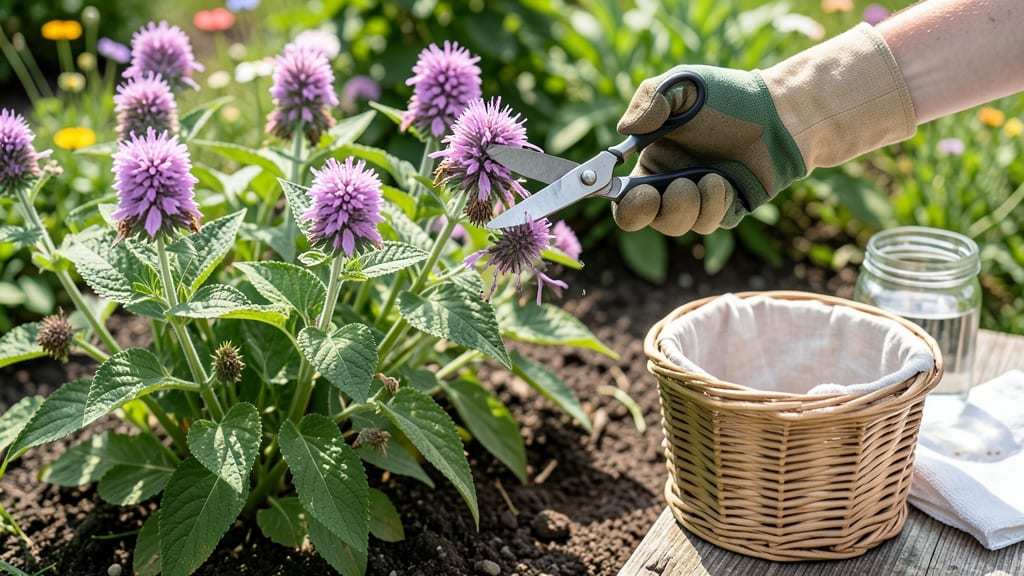
To harvest bee balm 🐝 at its peak—whether for tea, bouquets, or pollinator gardens—you need to time it right and cut it clean.
Bee balm isn’t just a pollinator magnet; it’s a prized herb for teas, salves, and ornamental bouquets, but harvesting it wrong can shorten its stunning blooms. Learn the exact timing, tools, and techniques to harvest bee balm without sacrificing next year’s floral display.
Most gardeners miss the best window—cutting too early or too late—which leaves stems woody or flowers dull. I’ll show you when to snip for vibrant color, how to encourage more blooms, and which parts of the plant to avoid over-harvesting.
By the end, you’ll know how to harvest bee balm like a pro, ensuring your plants stay healthy and your harvests keep coming all season long.


Best time to harvest bee balm for maximum yield & plant health
Timing your bee balm harvest is everything—cut too early, and you lose peak flavor and vibrant color. Harvest too late, and you risk stunting next year’s blooms.
The key lies in understanding your plant’s growth cycle and seasonal patterns, whether you’re growing perennial varieties like Monarda didyma or annual types.
For perennial bee balm, the best harvest window spans mid-summer to early fall, typically between July and September in most USDA Zone 6a regions. Annual varieties, planted in spring, should be harvested 60–90 days after germination when buds just begin to open.
This timing ensures you capture the brightest petals and strongest aroma.
- Morning Harvests: Always cut stems in the early morning (before 9 AM) when dew is present but humidity is low. This preserves moisture and color for up to 5 days in storage.
- Bud Stage: Harvest when 20–30% of buds are just opening. Fully open flowers have duller petals and weaker medicinal properties.
- Avoid Over-Harvesting: Never remove more than 1/3 of stems at once. Perennials need foliage to photosynthesize for next year’s growth.
- Seasonal Cutbacks: In late summer, reduce harvesting to encourage fall reblooms. Stop entirely by mid-September to harden off perennials.
- Tool Matters: Use clean, sharp pruners or scissors to make cuts 1–2 inches above a leaf node. Ragged cuts invite disease.
Evening harvests can work in a pinch, but stems dry out faster due to high daytime heat. If you must harvest later, trim leaves from the bottom of stems to reduce water loss and store them in a cool, dark place immediately.
For culinary uses, like bee balm tea, focus on harvesting young leaves alongside flowers for a milder, sweeter flavor.
Watch for these visual cues to know when your bee balm is ready: buds should be plump but not yet cracked open, and stems should snap cleanly when bent. Avoid harvesting if buds are pale or mushy, as this signals overripe flowers or fungal stress.
Overripe blooms lose their bright red, pink, or purple hues and develop a bitter taste.
Perennial bee balm thrives with strategic pruning. After your final harvest in early fall, trim back dead or damaged stems to 4–6 inches above the ground. This practice promotes taller, bushier growth the following season. For annual varieties, you can harvest continuously until first frost, but always leave some flowers to attract pollinators.
If you’re growing bee balm for medicinal uses, such as salves or tinctures, prioritize harvesting during peak bloom when essential oils are most concentrated. The leaves of young plants also contain higher levels of thymol, a compound with antiseptic properties.
To maximize yield, rotate your harvests across the plant—never take all stems from one section at once.
One common mistake is harvesting in wet weather. Damp stems are prone to mold and rotting, especially if stored in humid conditions. Always harvest on dry, sunny days and bundle stems in paper bags for air circulation while drying.
For long-term storage, hang stems upside down in a dark, well-ventilated space for 1–2 weeks until crisp.
By mastering these harvesting techniques, you’ll enjoy bountiful yields while keeping your bee balm healthy and blooming for years. The secret? Patience and precision—never rush the process, and your plants will reward you with vibrant blooms and rich flavors season after season.
Step-by-step bee balm harvesting guide: tools, cuts & storage tips
Harvesting bee balm (Monarda) at the right time ensures vibrant blooms for pollinators while maximizing your yield for teas, salves, or bouquets. The key lies in using the right tools and making precise cuts to preserve freshness and encourage regrowth.
Start by selecting the best tools for the job—sharp pruners or clean scissors work best for stems. Avoid dull blades, which crush stems and invite disease. For larger batches, consider a harvesting knife with a long blade to reach deeper into the plant without disturbing roots.
How to Harvest Bee Balm
-
Step 1: Choose the Right Time
Harvest bee balm in the early morning after dew has dried but before the sun intensifies. Aim for July to September when flowers are fully open but not yet wilted. -
Step 2: Select Healthy Stems
Pick stems with 3-5 flower buds that are firm and upright. Avoid stems with yellowing leaves or spider mites, as these indicate stress or disease. -
Step 3: Make Clean Cuts
Use sterilized pruners to cut 1-2 inches above a leaf node. Angle cuts at 45 degrees to prevent water pooling, which causes rot. -
Step 4: Handle Stems Gently
Bundle stems in paper towels to absorb moisture and prevent wilting. Store in a cool, dark place (like a fridge) for up to 3 days before processing. -
Step 5: Dry for Storage
For culinary uses, hang stems upside down in a dry, dark space with good airflow. For medicinal uses, dry at 95°F (35°C) for 2-3 hours to preserve volatile oils.
After harvesting, store dried bee balm in airtight containers away from light to preserve its aroma and color. Label containers with the harvest date—freshness peaks within 6 months of drying. For culinary use, crush leaves lightly before brewing tea to release their minty flavor.
Common mistakes like over-harvesting or using dirty tools can stress your plant. Limit cuts to one-third of the plant per harvest to avoid stunting growth. If you notice mold during drying, increase airflow or reduce humidity immediately.
Pro tip: Deadhead spent blooms regularly to redirect energy into new growth. This simple step can extend your bee balm’s blooming season by 4-6 weeks and keep your garden buzzing with pollinators all summer long. 🐝