
Size
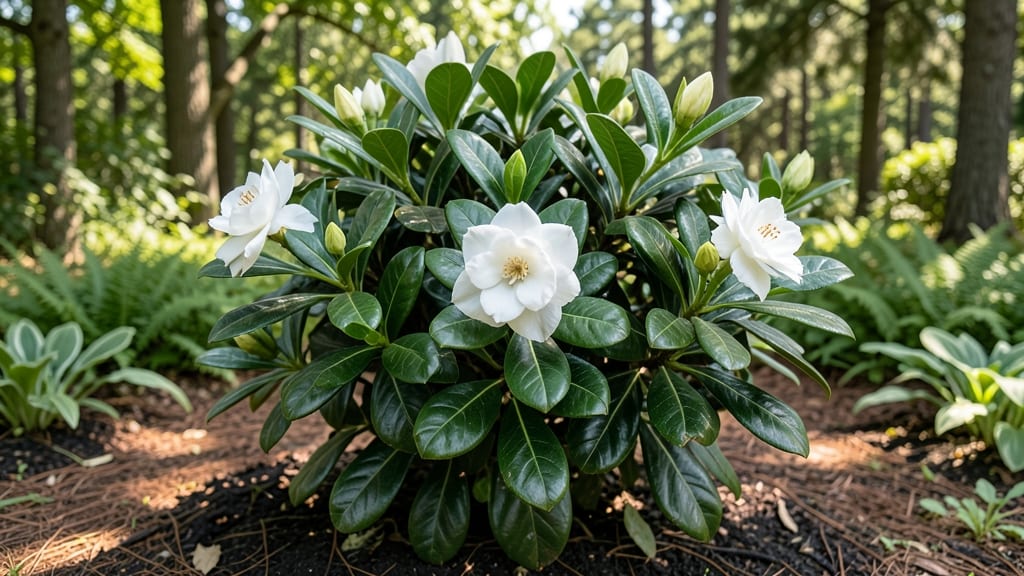
Frost-proof gardenia height is all about balancing cold hardiness with the perfect landscape fit—because the right pruning can mean the difference between a 3-foot shrub that survives winter and a 6-foot giant that struggles.
Cold winters don’t have to mean goodbye to your gardenias—with the right pruning techniques, you can cultivate frost-proof varieties that thrive year after year while maintaining an ideal height for your landscape.
Many gardeners assume frost-proof gardenias like Kleim’s Hardy are low-maintenance, but height plays a bigger role in winter survival than most realize. A well-pruned plant stays compact enough to retain heat while avoiding the woody, leggy growth that freezes back in harsh zones.
In this guide, I’ll show you how to trim for cold resistance, when to prune for maximum frost protection, and the height secrets that keep your gardenia blooming—even in Zone 9b and beyond.

How frost-proof gardenia height affects cold resistance and growth
When it comes to growing frost-proof gardenias, height isn’t just about aesthetics—it directly impacts how well your plant survives winter. Shorter, compact varieties like Gardenia jasminoides 'Kleim’s Hardy' handle cold snaps better than their taller tropical cousins.
This is because a lower growth center sits closer to the ground insulation, protecting delicate stems and buds from freezing air. The key is balancing height for winter hardiness while maintaining the lush blooms you love.
Tropical gardenias (like 'Radicans') can reach 6 feet tall but struggle in zones below USDA Zone 8. In contrast, frost-hardy hybrids like 'Kleim’s Hardy' max out at 3-4 feet and thrive in Zone 7.
The difference? Their compact growth habit and thicker stems resist cold better. But even hardy varieties need strategic pruning to keep their height manageable without sacrificing resilience.
Here’s the critical insight: Pruning height in late winter (just before new growth) encourages a fuller, bushier shape that insulates the plant’s core. Cutting back 1/3 of the height stimulates lateral branching, which produces more buds for blooms and better cold resistance.
However, prune too late (after buds form), and you risk exposing tender new growth to late-season frosts.
The pruning height you choose also affects how quickly your gardenia recovers in spring. For example, 'Kleim’s Hardy' bounces back faster from a 2-foot prune because its root system is already robust. Taller varieties like 'Veitchii', however, may take longer to regain their height if cut back aggressively.
My rule of thumb? Never reduce a frost-hardy gardenia’s height by more than 30% in a single season—this preserves its energy reserves for winter survival.
Height also plays a role in winter protection strategies. A 3-foot-tall gardenia is easier to wrap in burlap or cover with frost cloth than a 6-footer. For container-grown gardenias, keeping them under 3 feet makes it feasible to move them to a garage or shed during freezes.
Even hardy varieties benefit from this extra layer of protection when temperatures dip below 20°F.
Another height-related factor is air circulation. Taller gardenias (especially those over 4 feet) can suffer from fungal diseases like powdery mildew if their canopy stays too dense. Pruning to maintain an open, rounded shape improves airflow, reducing winter moisture buildup that can lead to rot.
I recommend thinning out overcrowded branches in late winter to create a more resilient structure before buds swell.
If you’re growing gardenias in Zone 6 or colder, height becomes even more critical. The shorter the plant, the easier it is to bury it in mulch or cover it entirely during hard freezes.
For example, 'Fortuniana'’s 2-foot maximum height makes it ideal for Zone 6 gardens—just prune it back to 1.5 feet in early spring to encourage a thicker base for next year’s growth.
One common mistake is assuming that taller gardenias are inherently stronger. In reality, their top-heavy growth makes them more vulnerable to wind damage and stem breakage during ice storms. To mitigate this, I stake taller varieties in late fall before the first frost.
For every foot of height above 3 feet, add an extra support stake to prevent the plant from toppling over under snow or ice.
Finally, remember that height adjustments should align with your local microclimate. Gardenias planted in low-lying areas (where cold air pools) may need to be shorter and bushier than those on slopes or raised beds. If you’re in a transition zone
Step-by-step pruning guide to maintain frost-proof gardenia height
Pruning your frost-proof gardenia isn’t just about shaping—it’s about preserving height while boosting cold resistance. The key is timing and technique. Unlike tropical gardenias, frost-hardy varieties like Gardenia jasminoides 'Kleim’s Hardy' can handle light freezes (down to 15°F) when pruned correctly.
Start by understanding that late winter pruning (just before new growth) is ideal for cold climates.
Your goal is to maintain a compact, bushy shape that stays between 3-5 feet tall—tall enough for landscape impact but low enough to avoid winter wind damage. Over-pruning can stress the plant, making it more vulnerable to frost.
Instead, focus on selective trimming to encourage dense growth and stronger stems. Always use sharp, sterilized tools to prevent disease spread.
Step-by-Step Pruning for Frost-Proof Gardenias
-
Step 1: Choose the Right Time
Prune in late winter (February) or early spring (March) before new growth begins. Avoid pruning in fall—this can stimulate tender growth that won’t survive frost. -
Step 2: Gather Your Tools
Use bypass pruners for branches ½-inch thick and loppers for thicker stems. Sterilize tools with rubbing alcohol to prevent bacterial spread. -
Step 3: Identify Dead or Weak Wood
Remove dead, diseased, or crossing branches first. Look for brown stems or branches rubbing against others—these weaken the plant. -
Step 4: Trim for Height and Shape
Cut back overly tall stems by ⅓ to ½ to maintain 3-5 feet height. Make cuts just above a leaf node or outward-facing bud to encourage bushiness. -
Step 5: Clean Up and Mulch
Remove all clippings and sterilize tools again. Apply 2-3 inches of mulch around the base to insulate roots and retain moisture for winter.
When pruning, never cut into old wood—this removes next year’s blooms. Instead, focus on new growth from the current season. For frost-proof varieties, aim to leave 3-4 main stems to ensure a sturdy structure.
If your gardenia is young (under 2 years old), minimal pruning is needed—just remove dead wood to encourage root development.
After pruning, monitor your gardenia for new growth signals like fresh leaves or buds. If you notice yellowing leaves or stunted growth, you may have pruned too aggressively. In this case, reduce future cuts and focus on fertilizing with acidic soil amendments (like peat moss) to support recovery.
Frost-proof gardenias thrive with consistent care, so pruning should feel like a gentle reset, not a harsh trim.
Pro tip: Take before-and-after photos of your pruning sessions. This helps track progress and adjust your technique for future seasons. With the right approach, your frost-proof gardenia will reward you with lush height and fragrant blooms year after year—even in colder climates! 🌸