
How To
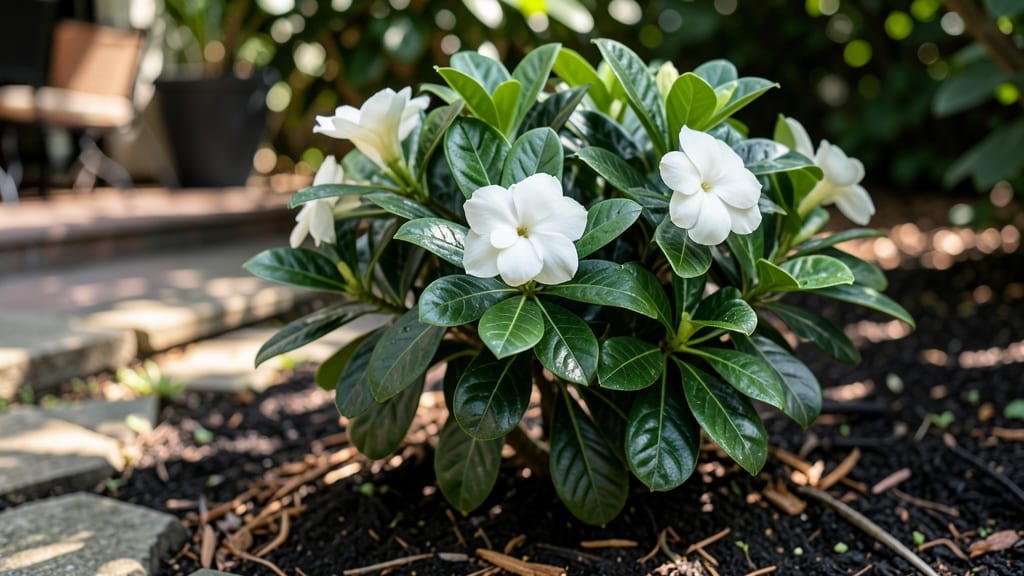
How tall does gardenia grow? The answer depends on the variety and care you provide—these fragrant, glossy blooms mature between 3 and 6 feet, shaping your garden’s layout in unexpected ways.
Picture this: a fragrant, glossy 🌸 gardenia towering over your patio or barely peeking above a planter. The difference between these two outcomes comes down to the type you choose and how you nurture it.
Some varieties stay compact, while others reach shrub-like proportions, and without the right approach, even a dwarf gardenia can stretch taller than you expect.
But here’s the good news: with the right pruning, sunlight, and soil, you can steer your gardenia toward your ideal size—whether you want a bushy accent plant or a taller privacy screen.
Below, I’ll break down the exact heights by variety, how to control growth, and which types are perfect for small spaces.
You’ll also discover how fast they grow, when to prune for shape, and the one trick that keeps them from getting leggy. Ready to plan your gardenia’s future height? Let’s dive in.


Gardenia height by variety: exact mature sizes and growth habits
Choosing a gardenia variety isn’t just about fragrance—it’s about space planning. Some varieties stay compact enough for containers, while others grow into privacy screens. The most common type, Gardenia jasminoides, typically reaches 3–6 feet tall, but dwarf varieties can stay under 3 feet.
Understanding these differences helps you pick the perfect plant for your garden’s layout.
Gardenias grow at different rates too. Dwarf varieties like 'Radicans' mature in 2–3 years, while larger shrubs like 'Kleim's Hardy' take 4–5 years to reach full height.
Their growth habits also vary—some spread wider than they grow tall, while others stay upright. Let’s break down the exact sizes and habits for popular gardenia types.
| Variety | Mature Height | Growth Habit | Growth Rate | Best For |
|---|---|---|---|---|
| Gardenia jasminoides (Common) | 3–6 ft | Upright, mounding | Moderate (1–2 ft/year) | Borders, hedges, containers |
| 'Radicans' (Trailing) | 1–2 ft (spreads 3–5 ft) | Trailing, cascading | Slow (6–12 in/year) | Trellises, hanging baskets |
| 'Kleim's Hardy' (Cold-hardy) | 4–6 ft | Upright, dense | Moderate (1–2 ft/year) | Privacy screens, foundation plants |
| 'Fortuniana' (Dwarf) | 2–3 ft | Compact, rounded | Slow (4–6 in/year) | Containers, patios, small gardens |
| 'Veitchii' (Large-flowered) | 5–8 ft | Tall, upright | Moderate (1–2 ft/year) | Specimen plants, large landscapes |
| 'Augusta' (Rare, tropical) | 6–10 ft | Tree-like, spreading | Slow (6–12 in/year) | Tropical gardens, large estates |
If you’re working with limited space, 'Radicans' or 'Fortuniana' are ideal. Their trailing or compact forms fit perfectly in containers or hanging baskets, while still delivering that signature gardenia fragrance.
For a bold statement, 'Veitchii' or 'Augusta' will dominate your landscape with their towering presence and show-stopping blooms.
Growth rates also depend on care conditions. Gardenias thrive in acidic soil (pH 5.0–6.5) and partial shade. In optimal conditions, they can grow 1–2 feet per year, but neglect slows them down. Pruning in late winter or early spring helps maintain desired height and encourages bushier growth.
For fastest growth, focus on three key factors: consistent moisture, balanced fertilization, and proper sunlight. Overwatering or poor drainage, however, can stunt growth or even kill the plant. Always ensure your gardenia has well-draining soil to prevent root rot.
Trailing varieties like 'Radicans' need support early on. Use trellises or stakes to guide their growth and prevent them from sprawling uncontrollably. This not only keeps them contained but also enhances their cascading beauty.
For upright varieties, prune spent blooms regularly to redirect energy into new growth rather than seed production.
Did you know some gardenias bloom year-round in warm climates? While growth rates slow in winter, varieties like 'Kleim's Hardy' can still produce flowers if given consistent care. This makes them a low-maintenance perennial for gardeners in USDA Zones 7–10.
When planning your garden, consider mature height alongside your space. A 6-foot gardenia near a patio might block sunlight for other plants, while a 2-foot dwarf in a container adds fragrance without taking over. Always measure your space before planting to avoid overcrowding or disappointment.
🌸
How to control gardenia height: pruning, training, and care tips
Gardenias are stunning but can quickly outgrow their welcome if left unchecked. The key to managing their height lies in strategic pruning, proper training, and seasonal care. Without intervention, standard varieties can reach 6 feet or taller, while dwarf types stay under 3 feet.
I’ll show you how to shape your gardenia—whether you want a compact bush or a climbing specimen—using techniques that keep it healthy and blooming.
Timing is everything when it comes to pruning. The best time to shape your gardenia is right after flowering, typically in late spring or early summer. This allows the plant to recover before winter dormancy.
Avoid heavy pruning in fall or winter, as it can stress the plant and reduce next year’s blooms. For climbing varieties like Gardenia radicans, use supports or stakes to guide growth upward naturally, preventing leggy stems.
-
Assess your gardenia’s growth habit—is it upright, mounding, or trailing? Upright types (like Gardenia jasminoides) need vertical pruning, while mounding types benefit from center thinning to encourage bushiness.
-
Use sharp, sterilized pruners to make clean cuts at a 45-degree angle, just above a leaf node or bud. This prevents water from pooling and causing rot.
-
For height control, trim back 1/3 of the tallest stems in early summer. This encourages branching and a fuller shape while slowing vertical growth.
-
Train climbing varieties with soft ties or bamboo stakes. Secure stems gently to guide them upward, and prune any lateral growth that competes with vertical growth.
-
After pruning, apply a balanced fertilizer (10-10-10) to support new growth. Water deeply to help the plant recover, especially in hot climates.
-
Monitor for over-pruning signs like sparse foliage or no blooms. If this happens, reduce pruning in the following year and focus on nutrient-rich care.
Soil and sunlight play a huge role in controlling gardenia height. Plant in well-draining, acidic soil (pH 5.0–6.5) to encourage strong root development, which supports compact growth. Too much nitrogen can lead to leggy, weak stems, so use a slow-release, acid-loving fertilizer instead.
Position your gardenia in partial shade—morning sun and afternoon shade—to prevent heat stress, which can stunt growth or cause leaf drop.
Watering habits also impact height. Gardenias need consistent moisture but hate soggy roots. Water deeply once a week (more in summer) and mulch around the base to retain humidity. Avoid overhead watering, which can cause fungal issues like powdery mildew, a common problem in dense foliage.
A 2–3 inch layer of mulch (like pine bark) keeps roots cool and encourages a bushier habit.
If your gardenia is already too tall, don’t panic—you can still shape it over time. Start with light pruning sessions every 2–3 weeks to gradually reduce height. Pair this with regular pinching of new growth tips to promote lateral branches.
With patience, even a 6-foot gardenia can be transformed into a manageable, blooming shrub that fits your space perfectly.